
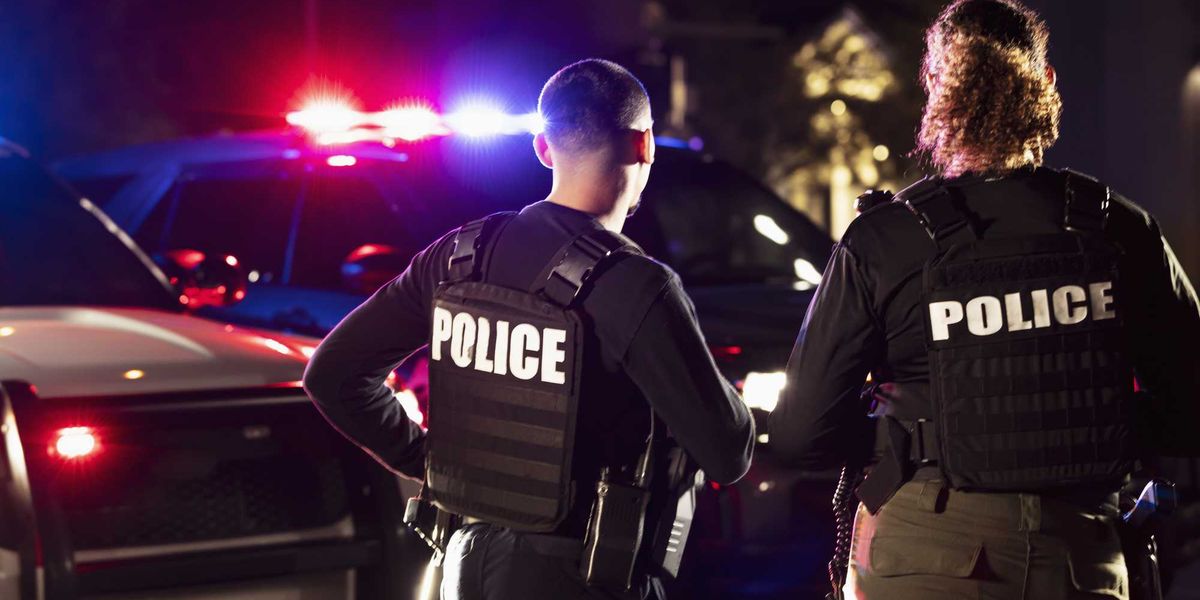
First responders do not get the luxury of standing back when trouble hits. Police officers, firefighters, paramedics, and other emergency crews run straight at the chaos while everyone else is trying to get clear.
That reality should command respect, not contempt. Yet in too many cities, the people who keep streets safe and pull strangers out of wreckage have been treated like a problem to manage instead of a line of defense to protect.
When the slogan-driven wave of “defund the police” surged after George Floyd’s death, it did real damage. Budgets were squeezed, morale took a hit, and officers in places like New York City were left to absorb the blame for every ugly headline and every political talking point.
The results were predictable. When police departments are weakened and public confidence is chipped away, criminals notice, response times get strained, and the burden falls hardest on the neighborhoods that can least afford it.
There is a strange modern habit of demanding heroism from first responders while denying them basic backing. People want instant action during a fire, a shooting, a crash, or a mental health crisis, but then act shocked when the men and women in uniform ask for support, training, and reasonable backing from the public.
Police officers in particular have been forced to operate under a cloud of suspicion. Every mistake becomes a moral indictment, while the daily reality of danger, split-second decisions, and impossible calls gets brushed aside like background noise.
That attitude has consequences far beyond bad feelings. If a city keeps telling officers they are unwanted, over-policed by critics, and one bad encounter away from public exile, fewer people will want the job and more experienced people will leave it.
Firefighters and paramedics face their own version of the same disrespect. They are expected to charge into smoke, wreckage, and scenes of violence, often with little fanfare, yet the public conversation rarely lingers on the sacrifice unless tragedy strikes.
There is also a moral confusion at work. Some activists speak as if law enforcement itself is the danger, while ignoring the people who are actually stealing cars, firing guns, beating strangers, and terrorizing neighborhoods.
That upside-down logic is why the first responders who keep order and save lives deserve more than applause on holidays. They deserve a country and a city culture that understands the basic bargain of civil society: when something goes wrong, someone has to go toward the fire, not away from it.
The backlash against police has also bled into a broader hostility toward authority, discipline, and service. Once that mindset takes hold, it does not stop with law enforcement, because it starts eroding trust in every institution that depends on courage under pressure.
People forget how much public safety depends on ordinary professionalism. A well-trained officer, a calm dispatcher, a steady firefighter, and a sharp paramedic can change the outcome of a night in seconds, and those outcomes matter in ways that speeches and hashtags never will.
New York City offers a clear warning. When the political class turns policing into a punching bag, the city pays in disorder, burnout, and a growing sense among residents that nobody in power is fully committed to their safety.
That is why the rhetoric matters so much. Calling first responders heroes is easy, but if the next breath is an attack on their work, their budgets, or their legitimacy, the praise rings hollow fast.
The men and women who run toward sirens, flames, and violence are not symbolic figures in a campaign ad. They are the reason countless families get to go home, the reason chaos does not always become catastrophe, and the reason a city still feels like a place where help might arrive in time.
