
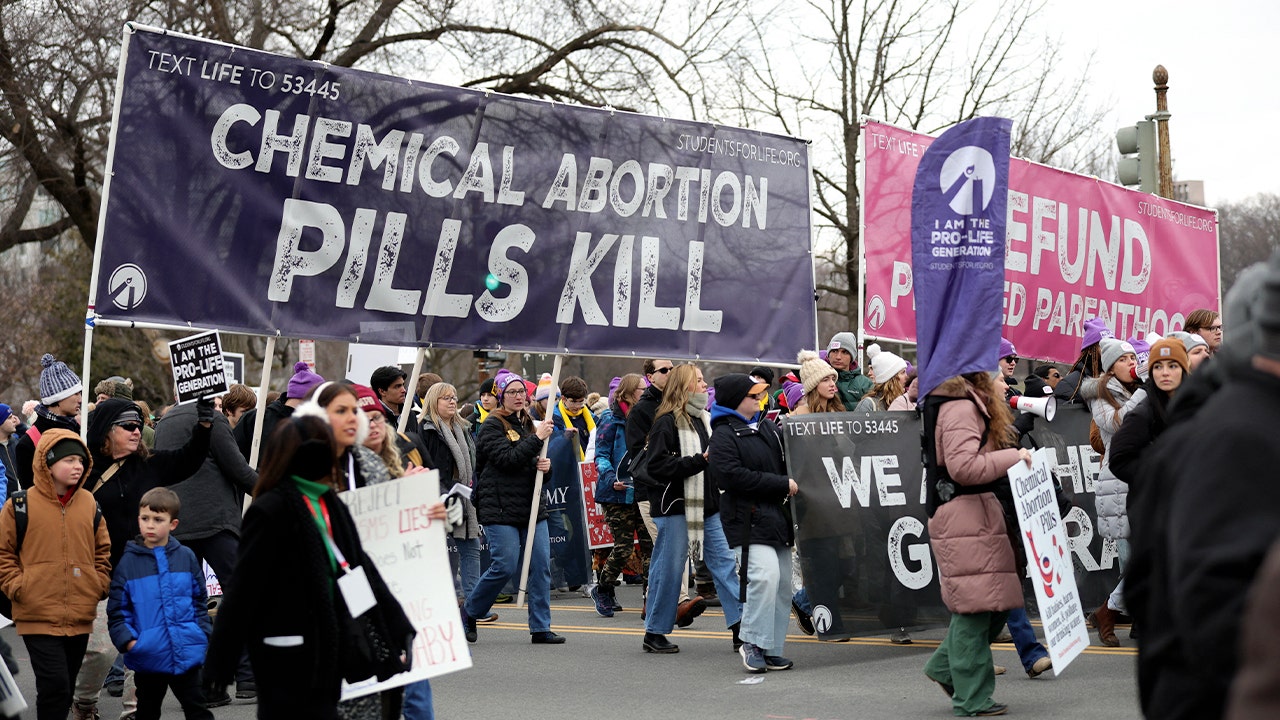
The 2026 election handed pro-life advocates a rougher playing field, but it did not end the fight. With a more abortion-friendly Congress in place, the battle now shifts to defending old protections, blocking new federal mandates, and keeping pressure on lawmakers, agencies, and states that still shape the future of abortion policy.
Election nights can sting, especially when the other side gains momentum after a stretch of wins. But the pro-life movement has lived through that kind of setback before, and it has learned that losses in Washington do not automatically mean losses everywhere else.
The biggest immediate concern is preserving long-standing federal protections that keep taxpayers from being forced to subsidize abortion. The Hyde Amendment has been a central shield for years, and it has drawn fire before whenever pro-abortion lawmakers get control of Congress.
Closely tied to that fight are conscience protections like the Weldon Amendment. These rules matter because they protect hospitals, clinics, and healthcare workers who refuse to participate in abortions, and opponents have never hidden their desire to weaken that guardrail.
That is where the next Congress is likely to go first. It is one thing to argue about abortion in the abstract, but it is another to try to drag taxpayers and medical providers into direct support for procedures they oppose.
The good news for pro-life advocates is that these protections are not some fringe idea hanging by a thread. They have survived hostile majorities before, including when lawmakers tried to strip the language from spending bills and failed to turn that effort into law.
Public opinion also matters here, even when the political class pretends it does not. Polling has repeatedly shown that a majority of Americans do not want their tax dollars used for abortion, and many also support conscience rights for healthcare providers.
That gap between elite activism and voter sentiment is exactly why the pro-life side keeps pushing. When lawmakers remember that these issues are not settled by inside-the-Beltway pressure alone, they are less likely to bulldoze the protections that still have broad support.
Another expected flashpoint is the push for a sweeping federal abortion bill. Supporters pitch it as health care, but critics see it as a nationwide wipeout of safeguards that many states still use to protect unborn children and women at the same time.
If that kind of legislation gained traction, it could erase rules that require ultrasounds, waiting periods, and other basic checks that are supposed to confirm a pregnancy and reduce obvious risks. It could also make mail-order abortion even harder to control, which is exactly why it sets off alarm bells for opponents.
There is also the question of the filibuster, which could become the next political target if the new Congress decides it wants fewer obstacles. If that guardrail falls, the entire debate gets more volatile, because narrow majorities would have a much easier path to forcing extreme policy through the Senate.
But Congress is only part of the picture. The executive branch still has tools, including review of abortion-pill policy, enforcement choices at the Department of Justice, and a chance to revisit federal interpretations that have made it easier to mail abortion drugs across the country.
That matters because state laws alone cannot do all the heavy lifting. A determined administration can either defend life-related policies or quietly let them erode, which is why agency action has become such a huge piece of the fight.
Even with a tougher Congress, the pro-life movement is not stuck. States remain a battlefield, and so does the public square, where local organizing, court fights, and pressure on lawmakers still shape the debate in a big way.
That is the real lesson from every political swing: one bad cycle does not lock in the outcome. The fight over abortion keeps moving, and every branch of government still matters when the stakes are this high.
