
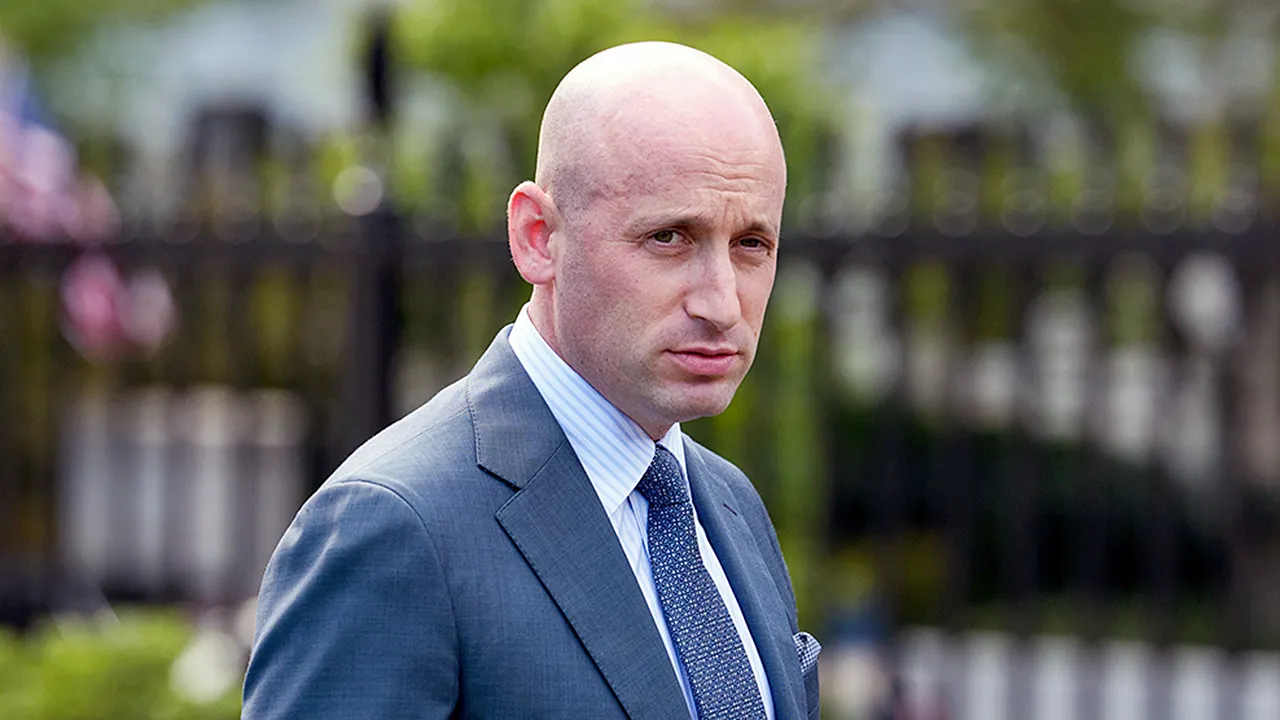
House Republicans are snapping over Stephen Miller’s promotion, and the backlash is tied to something far bigger than one personnel move. After a bruising midterm night, several GOP lawmakers say Miller’s hard-edged immigration approach helped drag down the party’s standing, even as Donald Trump doubled down and put him in a top West Wing role.
Rep. Marlin Stutzman called the move a “Horrible decision,” and another Republican, speaking anonymously, said the reaction inside the conference was plain “utter disbelief.” The frustration was not subtle, either. Some lawmakers wanted Miller out, arguing that the party had just been handed a warning by voters and should not reward the message they believe backfired.
The anger comes in the shadow of a disastrous election cycle for Republicans, one that left Democrats in control of both chambers in the next Congress. Party members looking for a culprit pointed first to Trump’s broader record, including tariffs and foreign policy concerns, but immigration enforcement also took a heavy share of the blame.
That issue hit especially hard in places where Republicans expected more support. Several lawmakers said the administration’s approach to illegal immigration hardened attitudes among Hispanic and Latino voters, especially in battleground areas and even some deep-red districts where the political mood had started to shift. One lawmaker said the party had burned through a lot of goodwill with Latino voters, and that warning kept coming up long before the election results landed.
Another Republican said House members had repeatedly told Miller that the enforcement strategy was too blunt and was creating problems back home. The complaint was simple enough: voters liked the idea of a serious border policy, but not an all-out crackdown that seemed to hit too wide and too hard. In that telling, Miller was focused on the numbers and not on the political fallout sitting in front of him.
Not every criticism was aimed at firing him outright, but the irritation was widespread. One retiring Nebraska Republican said Miller had “greatly hurt the administration and cost us many seats,” arguing that a policy once viewed as a strength had been pushed into a political liability. That same lawmaker said many Republicans simply do not like him, which is about as blunt as Capitol Hill gets.
Miller’s defenders inside the administration painted a very different picture. Trump called him one of his “most trusted advisors,” and the White House said he has been central to the president’s agenda from the start. Supporters inside the administration also pointed to border security, crime enforcement, deregulation, energy policy, and work against drug cartels as proof that Miller has been getting results, not just making noise.
The split is telling because it goes beyond policy and turns into a fight over tone, timing, and political judgment. Some Republicans see Miller as a loyal operator who does exactly what Trump wants, while others see him as someone who pushes too far, too fast, and leaves the party paying the bill when voters head to the polls. One lawmaker went even harder, calling him “a megalomaniac who should have never been given the keys to the Ferrari,” then adding that he was not the reason for the loss because most voters do not know him anyway.
Trump’s allies have also tried to redirect blame toward candidate quality, saying some Republicans ran weak campaigns and did not carry their own weight. That argument is not landing with the critics, who say the midterm beatdown should have triggered a reset, not a promotion. Instead, the White House moved Miller up, and that decision only poured gasoline on an already bitter fight inside the GOP.
Even with the blowback, Miller still has plenty of powerful backers, including Vice President JD Vance and House Freedom Caucus Chairman Andy Harris, both of whom praised his record and commitment to conservative priorities. A White House official also defended him as a trusted aide who has worked on major administration efforts for years, including with Democrats on a D.C. task force. For now, the argument is not fading quietly, and the same immigration fight that splintered the party on election night is still hanging over it in full view.
