
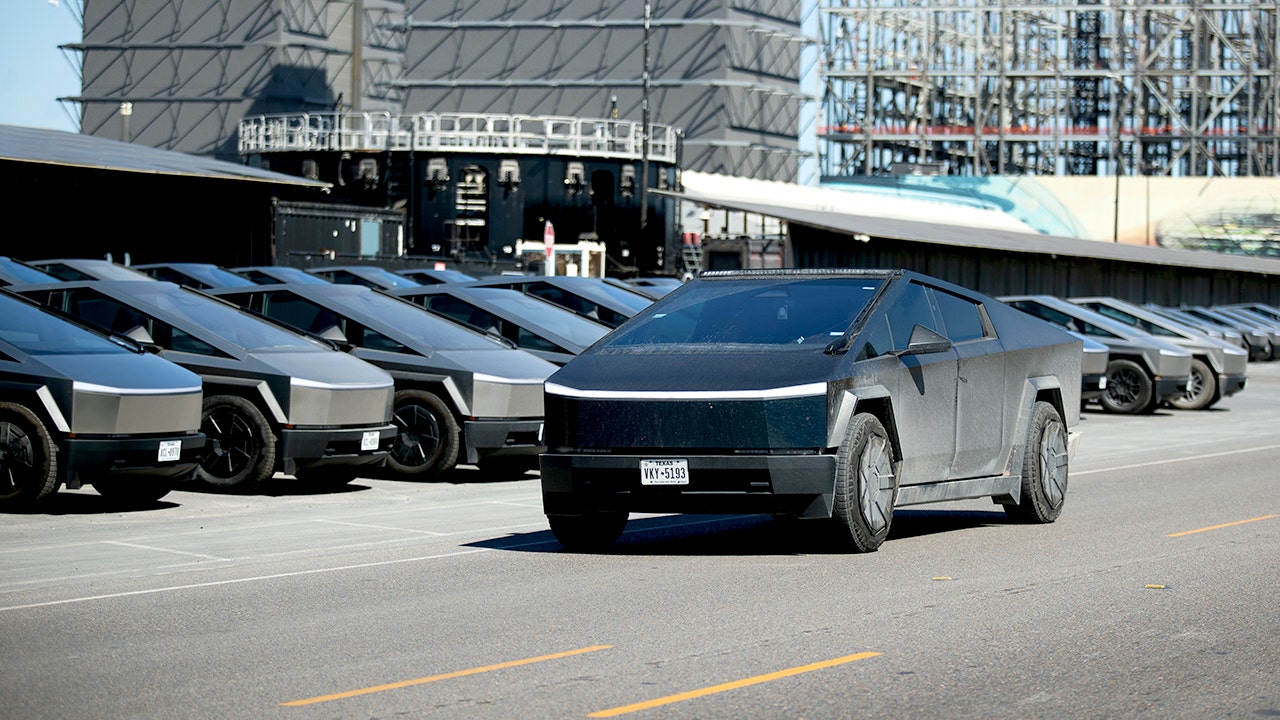
Tesla is shifting gears again, and this one is a big deal. The Cybertruck is being pushed aside at Gigafactory Texas so the company can make more room for Cybercab production, a move that signals how hard Tesla is leaning into autonomy, robotics, and robotaxis.
Elon Musk says the Cybertruck still matters, but the spotlight is clearly moving elsewhere. The pickup that once drew huge attention, huge promises, and plenty of skepticism is now getting edged out by Tesla’s next act, which is all about self-driving transport and a more automated future.
In a post on X, Musk said Tesla will wind down Cybertruck production at Gigafactory Texas around the middle of next year to make room for increased Cybercab output. That puts an end to the idea that the angular electric pickup would remain one of the company’s main priorities for the long haul.
The Cybertruck was supposed to be Tesla’s hard-charging answer to traditional pickup trucks. Instead, it has become a symbol of both Tesla’s ambition and its growing list of compromises, especially as the company rebalances factory capacity around products it sees as more important to the next phase of the business.
It is still unclear whether Cybertruck production will shift to another plant or fade away completely. What is clear is that the Austin facility is the only known Tesla site set up to build the vehicle, which makes the Texas decision feel less like a shuffle and more like a real turning point.
Musk didn’t exactly sound cold about it. In response to a user post on X, he called the Cybertruck the “best vehicle Tesla has ever made” and said the move marks the “end of an era.”
That may sound dramatic, but the numbers help explain why Tesla is making room for something else. Tesla started delivering the Cybertruck in late 2023 after years of delays, and sales never came close to the massive hopes Musk had laid out when production began.
According to Kelley Blue Book, Tesla sold 20,237 Cybertrucks in the U.S. last year, a steep drop from 38,965 in 2024. Musk had once predicted annual sales of 250,000 units, which now looks wildly out of reach.
The truck’s rollout also came with the kind of headlines Tesla seems to attract whether it wants them or not. The 2019 reveal is still remembered for Musk’s shattered-window demo, when an attempt to prove the glass was tough went sideways in front of a live audience.
The Cybertruck has also been a magnet for recalls. Since its official debut in 2023, Tesla has issued 11 recalls for the electric pickup, with some fixes handled through physical repairs and others delivered remotely through software updates.
Even as the Cybertruck takes a step back, the Cybercab is moving forward as a much bigger strategic bet. Tesla is using it as a showcase for AI and robotics, with the larger goal of building a global robotaxi network that can carry the company far beyond the traditional car business.
That future is still taking shape, but Tesla has already started putting the pieces on the road. Paid rides with a small fleet of Cybercabs began in Austin in September, giving the company a real-world test bed for its autonomous ambitions.
Cybercab is still a small program, but the trajectory is obvious. Tesla has listed installed capacity at more than 125,000 units, and about 570 of the more than 1,200 Tesla robotaxis operating in Texas are Cybercabs, with the rest mostly Model Y vehicles.
There is also some regulatory heat hanging over the project. U.S. auto regulators are reviewing whether Tesla properly self-certified the Cybercab for federal motor vehicle safety standards, and NHTSA opened an audit in September to dig into that process.
Inside Tesla, though, the tone is upbeat. Cybertruck lead engineer Wes Morrill said on X that “Cybertruck was an incredible technology development platform and lives on through Cybercab.”
That line says a lot about where Tesla wants the story to go. The Cybertruck may have grabbed the headlines, but the company is betting that the real action now is in the vehicles that can drive, learn, and scale into something much bigger than a single eye-catching pickup.
