
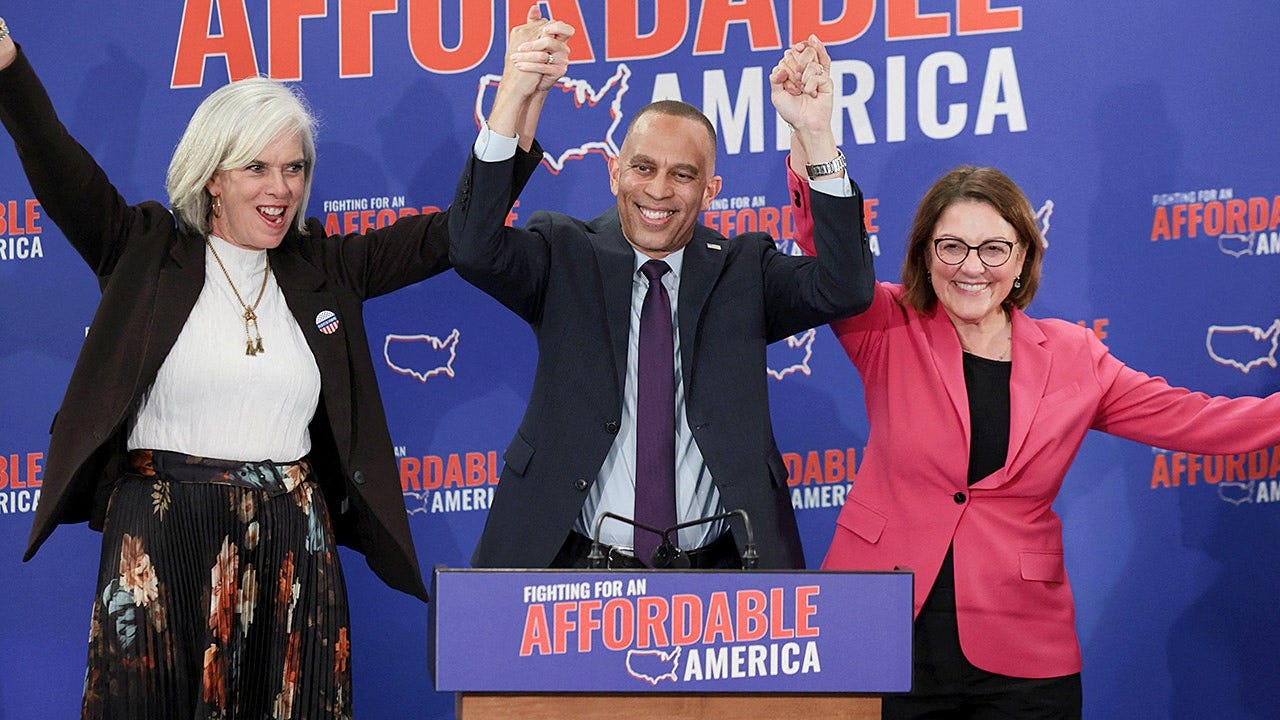
With Democrats controlling Congress and Trump still in the White House, the immediate political buzz is loud, but the money question is louder: how should investors react? The urge to move fast can be strong after an election shift, yet history suggests that panic is usually a costly habit. Markets care less about which party is celebrating and more about what happens next with profits, rates, taxes, and spending.
That tension is exactly why so many retirement savers get rattled. A new political setup can feel like a warning siren, especially when headlines start throwing around words like gridlock, shutdown, and confrontation. But the stock market has a way of ignoring emotional noise and focusing on the bigger machine underneath it all.
One of the more striking historical patterns comes from the rare setup where a Republican president faces a Democratic House and Senate. In that scenario, the S&P 500 has averaged just 4.9% annually, according to research cited from RBC Wealth Management and Bloomberg, making it the weakest of the major political combinations studied. That number gets attention, but it does not mean the market is doomed or that one party automatically drags stocks lower.
The full picture matters. Other combinations have posted much stronger averages, including 13.3% when Republicans control both Congress and the White House, and 17.0% when a Democratic president works with a split Congress. Even so, those figures are historical averages, not a script for the future, and they should never be treated like guarantees.
There is also a more encouraging pattern that often gets overlooked. Since 1950, the S&P 500 has averaged a 15.4% gain in the 12 months after midterm elections, and every one of those post-midterm periods in the cited study finished in positive territory. That does not mean stocks are about to launch straight up, but it does show that election relief can matter as much as election drama.
Why does that happen? Simple uncertainty plays a big role. Before the votes are counted, investors worry about taxes, regulations, spending, and which party will steer Washington, but once the dust settles, some of that fear gets priced out of the market.
Gridlock is not automatically a gift, though. When Congress and the White House are split, passing major legislation gets harder, tax changes face more negotiation, and budget fights can drag on longer than anyone wants. That can create its own kind of stress, especially if shutdown threats or debt-ceiling battles start dominating the headlines.
Still, the market does not move only because lawmakers agree or refuse to agree. Corporate earnings, inflation, interest rates, and broader economic growth usually matter more over the long haul. Political averages are useful for context, but they do not override the reality that businesses and consumers drive the engine.
That is why the biggest focus for 2027 may be less about Congress and more about the fundamentals. If companies keep posting stronger profits, stocks can hold up even in a messy political environment. If the Federal Reserve keeps rates higher for longer, or inflation stays sticky, portfolios may feel that pressure more than anything happening on Capitol Hill.
Taxes are another pressure point worth watching. Any serious changes to corporate taxes, capital gains taxes, or individual income taxes would have to run a tough political gauntlet, especially with divided power in Washington. Meanwhile, spending and debt remain a giant backdrop, and those fights can influence borrowing costs, Treasury yields, and investor confidence.
The mistake many investors make is mixing politics with portfolio management. They sell stocks because they hate the election result, park money in cash because they are angry at Congress, and then wait for a political outcome that makes them feel better. The problem is that markets do not pause just because someone is frustrated.
That does not mean ignoring risk. People close to retirement need to make sure their portfolios can handle swings, while younger investors should stay disciplined enough to let time do the heavy lifting. The smartest move is usually the least dramatic one, since emotional trading has a nasty habit of turning a noisy election season into a real financial setback.
The cleanest lesson here is pretty old-school: politics may change the mood, but it does not get a vote inside your 401(k). The market still answers to earnings, inflation, rates, and growth, and those forces keep working long after the campaign banners come down.
