
- Oklahoma’s sharp plunge in road quality rankings
- Urban and rural pavement conditions across the state
- The safety and financial toll on drivers
- Weaknesses in road and bridge funding
- Why the state’s road troubles stand out nationwide
- Long-term construction plans aimed at recovery
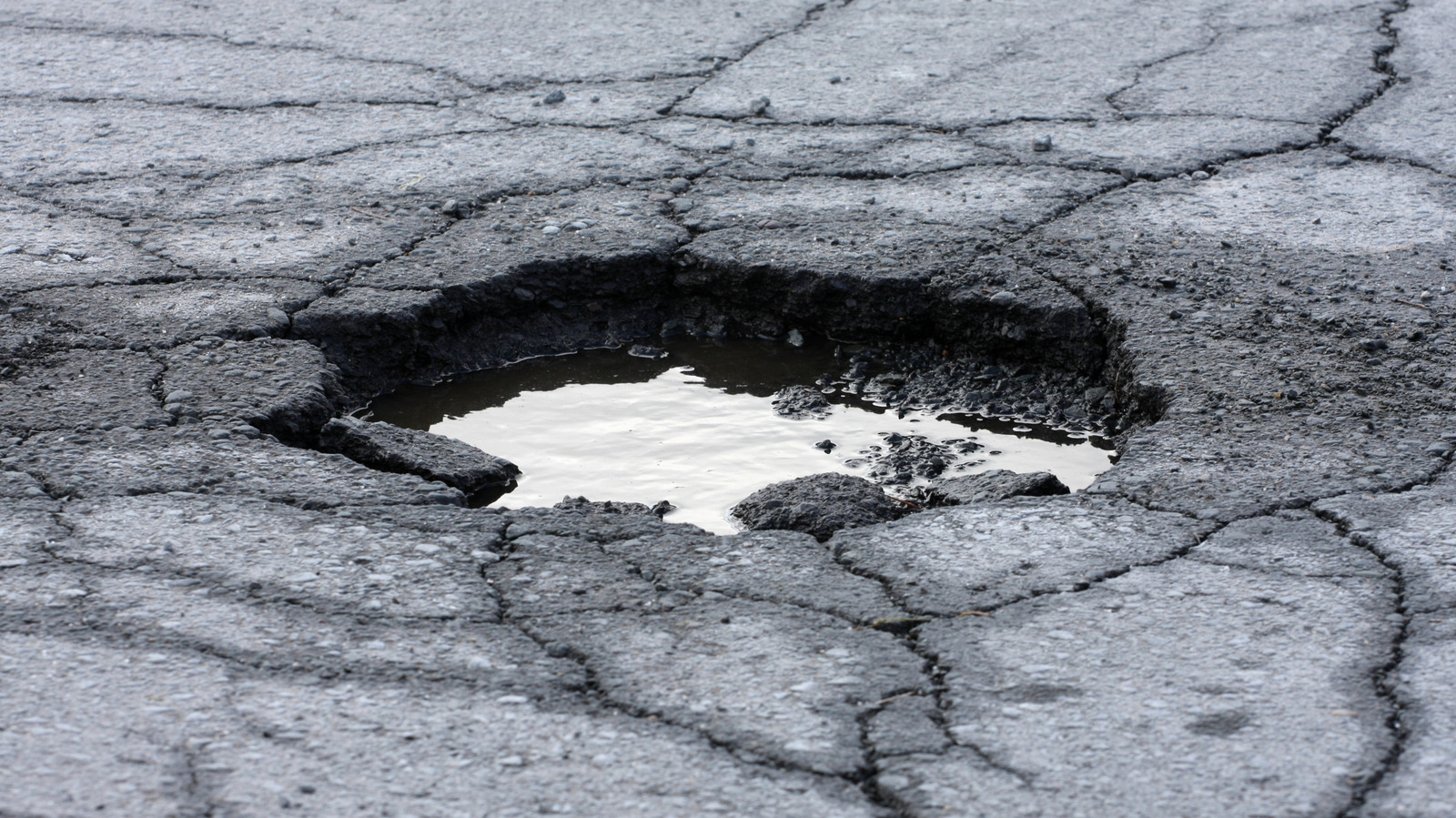
Oklahoma’s roads have taken a hard turn in the wrong direction, and drivers are paying for it every time they hit the pavement. A state that already lives and dies by cars has watched its road network slide fast, with potholes, rough surfaces, and safety problems piling up into a much bigger mess. The numbers point to a system under strain, and the damage is showing up in commutes, repair bills, and crash totals.
In one recent national look at road conditions, Oklahoma went from a middling spot to one of the worst performers in the country in just a single year. That kind of drop is rare and ugly, especially for a state where driving is not optional for most people. The change suggests more than bad luck, since the decline was steep enough to stand out even in a country where road quality already varies wildly from state to state.
The problems are not limited to one type of roadway. Urban roads in the state are struggling with heavy wear, while rural roads are also falling short in a way that makes long drives rougher and more dangerous than they should be. When both city streets and country highways are hurting at the same time, the whole transportation system starts to feel brittle.
Safety makes the picture even worse. Traffic deaths remain a serious issue, and the fatality rate tied to driving in Oklahoma is high enough to keep the state near the bottom of national rankings. Bad pavement is not the only cause of crashes, but it does not help when drivers are forced to dodge broken asphalt, uneven shoulders, and stressed-out traffic patterns every day.
The financial hit is just as brutal. Drivers are stuck with higher vehicle operating costs, more wasted fuel, and lost time sitting in congestion or crawling through damaged corridors. On top of that, crash-related costs stack up fast, turning bad roads into a problem that reaches far beyond the windshield and into household budgets.
Funding is where the issue gets even sharper. Maintenance spending has lagged, bridge and capital support has not been strong enough, and safety-related disbursements have also been lacking. That kind of gap usually ends the same way: the roads get older, rougher, and more expensive to fix later, which is exactly the trap Oklahoma seems to be stuck in now.
The state does have a long-term construction plan in motion, and that matters. Plans to tackle thousands of miles of poor pavement, hundreds of deficient shoulders, and a long list of bridges could finally start pulling the system back together. Still, big repair efforts do not happen overnight, and drivers will likely keep feeling the pain while crews work through the backlog.
For a state with deep car culture and long driving distances, the stakes are obvious. People need roads that are safe, smooth, and reliable, not a daily gamble with potholes and delays. Oklahoma’s next few years will tell whether the state can climb out of the hole or keep slipping deeper into it.
