
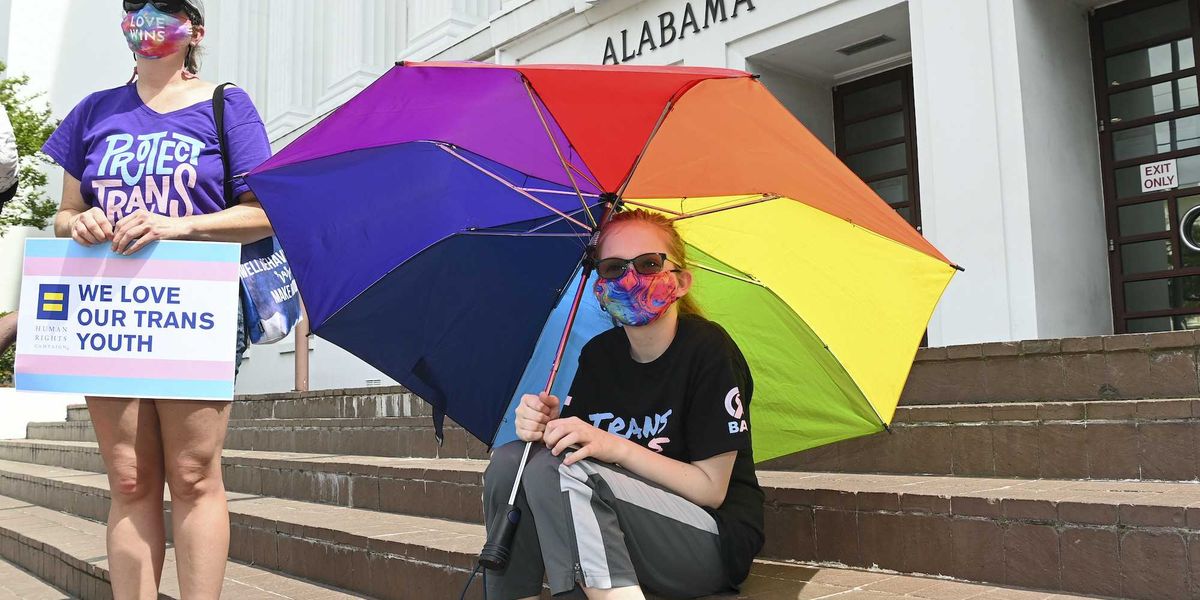
Alabama voters just sent a loud message, and it landed with real consequences. The race drew attention because the winner is set to become the first transgender-identifying legislator in the state, a result that puts identity politics, party strategy, and voter priorities all under a harsh spotlight.
The victory did not happen in a vacuum. It came during a cycle where every major issue seemed to get squeezed through the same blunt filter of culture war politics, and Alabama was no exception.
For Republicans, the outcome is a reminder that local races can still carry national symbolism. Democrats have leaned hard into identity-driven politics in recent years, and this win gives them a fresh talking point even in a deeply red state where the base has been energized by pushback against that kind of messaging.
The result also raises a bigger question about what voters are responding to when they head to the polls. Some are focused on jobs, taxes, schools, and public safety, while others are tuned into a larger fight over values, representation, and which side seems more confident in its message.
That tension has become a defining feature of modern elections. Big donors and politically connected interests often pour money into races they think can shift the narrative, but voters are not always interested in the script they are handed, especially when the debate gets too wrapped up in symbolism.
In Alabama, the story is less about one name on a ballot and more about how quickly the ground can move when cultural politics dominate the conversation. The Republican Party has spent years warning that the left is trying to turn every race into an identity contest, and this is exactly the kind of outcome that keeps that warning alive.
At the same time, elections are not won by slogans alone. Candidates still have to connect with real people, and that means speaking plainly about what affects daily life instead of leaning entirely on hot-button labels and media buzz.
The idea of a first in state history will grab headlines, and it should. But the deeper takeaway is that voters are sorting through a political landscape that feels more divided, more emotional, and more loaded with meaning than ever before.
That makes every local race a lot bigger than it used to be. A single win can feed national debates, shape donor behavior, and give both parties a fresh reason to sharpen their message before the next round of elections.
For Republicans, the smartest response is not to chase every headline. It is to stay disciplined, keep the focus on common-sense priorities, and remind voters that identity politics may get attention, but it does not put food on the table or make neighborhoods safer.
The Alabama result will be studied for what it says about the state, the party split, and the direction of the culture war. It also leaves open a more immediate question that will keep hanging over the next campaign season: whether voters are ready to keep rewarding politics that thrives on spectacle, or whether they are looking for something steadier and far less theatrical.
