
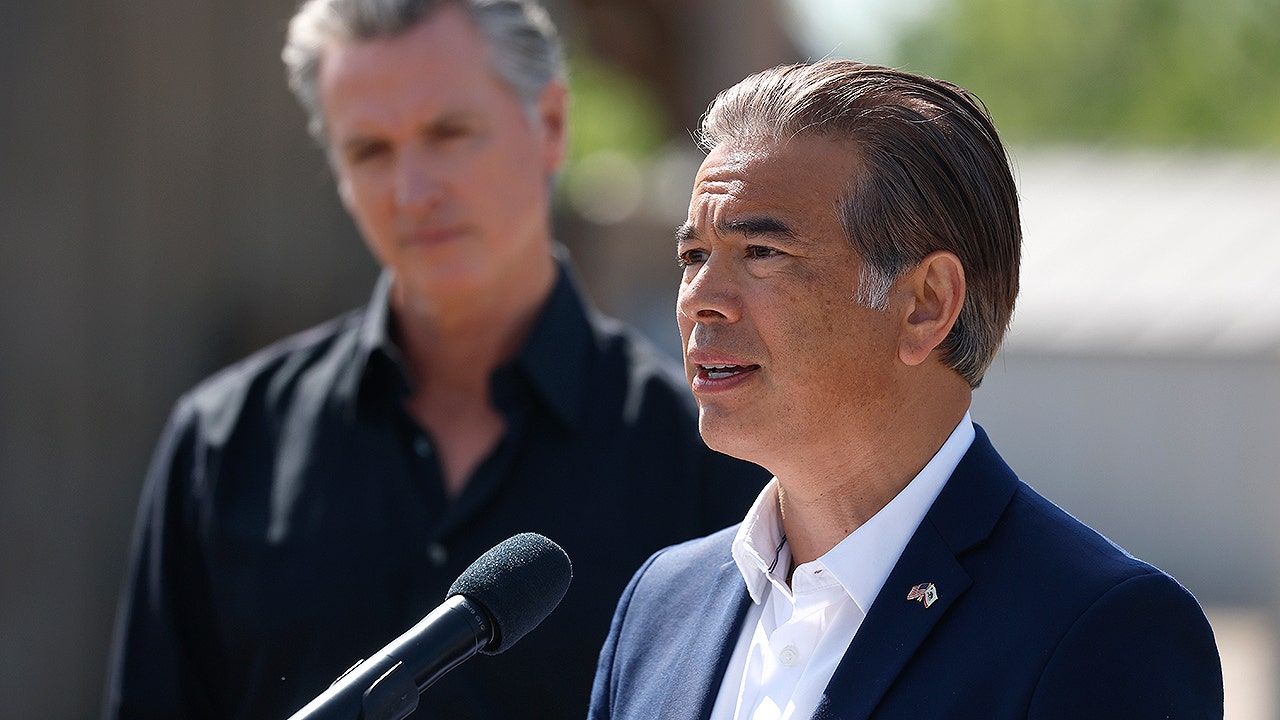
California is once again at the center of a loud election-integrity fight, with state officials and the Justice Department taking very different views of what federal monitoring should look like. Rob Bonta says California will answer the DOJ’s expanded presence with its own observers, while federal officials insist the effort is about protecting voting rights, watching for problems, and keeping polling places accessible.
Bonta said his office is stepping in because the size of the federal operation could make some voters uneasy. He pointed to concerns that the sight of DOJ personnel around polling sites might feel less like oversight and more like pressure, especially in a state already braced for tense election-day politics.
California is not new to this playbook. Bonta said the state used the same approach in the last two elections, sending its own observers alongside federal monitors so there would be a state presence wherever the DOJ showed up.
The federal side has gone bigger than usual this time. The DOJ Civil Rights Division has deployed 1,000 monitors across all 50 states, which the department says is its largest election-monitoring effort ever and the first time it has covered the whole country at once.
Those monitors are coming from different corners of the Justice Department, including U.S. Attorney’s Offices and the Office of Personnel Management. The department has said the goal is to help ensure election integrity and protect the public’s right to vote, not to interfere with lawful voting activity.
In California, the list includes Los Angeles, Alameda, Sacramento and San Diego. That kind of footprint has fueled criticism from Bonta and others who argue the federal presence could chill turnout if voters feel watched instead of welcomed.
Justice Department officials have pushed back on that fear. Harmeet Dhillon, who leads the Civil Rights Division, has said the monitors are there to observe election practices and look into possible fraud after the fact, rather than step into the middle of voting-day operations.
Dhillon also said the monitors are expected to follow state rules wherever they are assigned. That matters because many states limit how close observers can get to polling places and require them to stay behind set boundaries, sometimes well outside the entrance.
“We respect state law,” Dhillon told Bloomberg at the time. “We reach out to the states. If their perimeter is 150 yards, we respect that.”
The DOJ has also said the monitors will help ensure polling places are accessible for people with disabilities. That part of the operation has become a bigger piece of the public pitch, especially as federal officials try to show the deployment is about access as much as enforcement.
Dhillon noted that the department already sent more than 80 monitors to primary elections in seven states earlier this year, including Minnesota, Michigan, Florida, Wyoming, South Carolina, Massachusetts and New Hampshire. That smaller rollout became a kind of warm-up act for the much larger nationwide operation now in motion.
So far, the deployment does not appear to have sparked major public confrontations. By Tuesday afternoon, there were no widely reported clashes involving federal monitors, even as the political rhetoric around the effort stayed hot and the arguments over voter confidence kept building.
The bigger backdrop is the ongoing fight over noncitizen voting and who gets to police election rules in the first place. That dispute sharpened after the Supreme Court on Monday rejected the Trump administration’s bid to force California officials to separate ballots cast by 20,000 voters the DOJ believes are noncitizens.
For now, California is moving ahead with its own observers while the federal government keeps its people on the ground. The result is a layered election-day scene, with both sides insisting they are protecting democracy and neither side showing much interest in backing down.
