
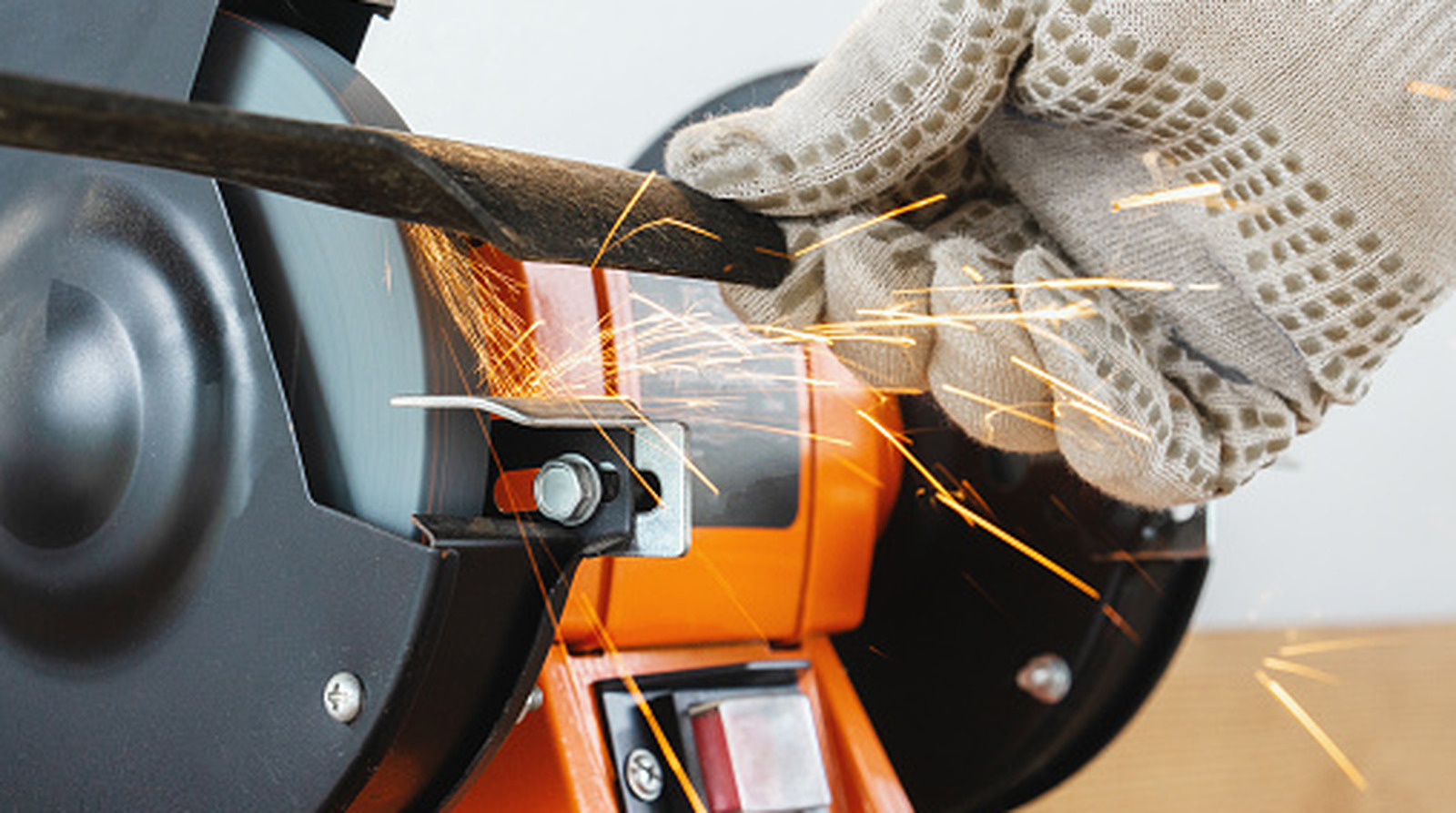
Sharp mower blades make a bigger difference than most people expect. They help the lawn look cleaner, reduce stress on the grass, and keep the mower from fighting through every pass. Tractor Supply offers a few practical tools that can handle the job, from simple hand tools to powered gear that speeds things up.
A lightweight choice like the GardenSharp Lawn and Garden Tool Sharpener is built for quick touch-ups. It uses a tungsten carbide blade, which gives it enough bite to clean up mower blades without dragging out a whole workshop setup. That kind of tool works well for anyone who wants a straightforward fix without too much fuss.
For people who already keep a drill handy, the Arnold Lawn Mower Blade Sharpener/Balancer Kit brings a different kind of convenience. It attaches to ¼-inch and ⅜-inch drills and is made for zero-turn mowers, lawn tractors, and walk-behind models. The added balancer piece matters too, since sharpening alone is only half the battle.
Those looking for more muscle can go with a bench grinder like the DeWalt model mentioned in Tractor Supply’s lineup. A grinder makes short work of dull edges, and its high-speed motor gives the wheel the kind of steady power that hand tools just cannot match. Adjustable tool rests also help keep the blade positioned more comfortably while it is being worked on.
Not every blade needs a power tool. A simple 8-inch flat file can knock down small nicks and rough spots along the cutting edge, making it a low-key option for light maintenance. It is compact, easy to control, and a good fit for anyone who prefers a slower, more hands-on approach.
No matter which sharpening method gets used, safety has to stay front and center. Tools made for mower blades often include protective features, but it still helps to wear the right gear and keep the blade secure before starting. A bench grinder in particular demands extra care because the moving parts leave less room for sloppy handling.
A file may seem harmless compared with powered tools, but that does not mean it should be treated casually. Clamping the blade first keeps it from shifting, and steady strokes are better than aggressive sawing motions. The goal is a clean edge, not a rushed one that leaves the blade uneven or the workbench scratched up.
Balancing the blade after sharpening is just as important as the sharpening itself. A simple center-hole check can show whether one side weighs more than the other, and even a small tilt can turn into vibrations once the mower is running. Those shakes can wear on the machine over time, so a careful finish pays off long after the sharpening is done.
