
• Democratic prosecutors and media double standards
• Minnesota voter security and election integrity
• The case against journalists Cam Higby and James O’Keefe
• First Amendment concerns and federal civil rights law
• Selective enforcement and lawfare in politically charged cases
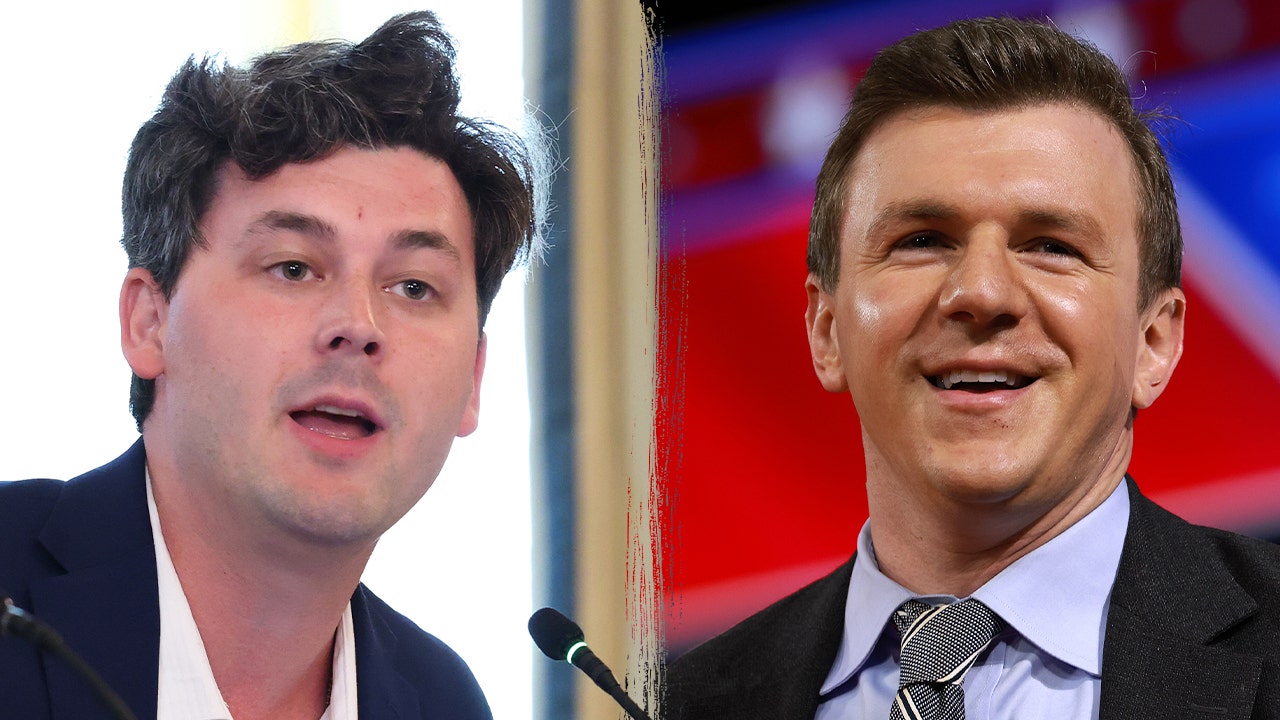
Democrats and their friendly media allies have spent years acting like they are the only ones defending the press, but that posture looks pretty hollow now. In Minnesota, Hennepin County Attorney Mary Moriarty has drawn fire for charging conservative journalists Cam Higby and James O’Keefe after they exposed weaknesses in the state’s voter security system. The move has triggered a bigger fight about whether journalism is being treated like a crime when it makes the left uncomfortable.
The core issue is simple enough. If reporters uncover a flaw in the election process, that is not election fraud, it is reporting. Higby and O’Keefe were testing how easy it might be to move through a system that is supposed to protect lawful voters and keep the process honest.
Election integrity is not some fringe obsession. Every illegal vote cancels out a lawful one, and that reality matters even more when trust in the system is already shaky. When voters believe safeguards are weak or uneven, confidence in the whole process starts to crack fast.
The controversy grew because Higby and O’Keefe did not show up to steal an election or cast fake ballots. The point was to see how vulnerable Minnesota’s process really was, and the resulting video showed a troubling lack of friction. No photo ID was requested, and the exchange moved forward on trust alone.
That is exactly why this case has landed with such force. Undercover work is a long-standing part of investigative journalism, especially when public systems need sunlight. If prosecutors decide that exposing weak ballot security can be punished like a felony, the message to every journalist is chilling and plain: back off or face charges.
Moriarty’s critics say the response is not just harsh, but selective. They point to cases like the assault on Turning Point USA activist Savannah Hernandez, where the punishment was far lighter even though the alleged attack was captured on camera and witnessed by others. That kind of contrast makes the current charges look less like evenhanded law enforcement and more like political payback.
This is where the constitutional fight gets serious. Federal law bars officials from willfully depriving people of their rights under color of law, and it also punishes conspiracies to do the same. When prosecutors target reporters for exposing a public weakness, the concern is not just bad judgment, it is abuse of power.
Minnesota’s political backdrop only raises the temperature. The state’s Senate race is tight, control of Washington is on the line, and every argument about who gets to vote lands harder in that environment. That is why election rules and voter eligibility are not abstract talking points, but real safeguards for a system that must stay credible.
The bigger pattern here is what makes the story sting. The same crowd that loves to talk about press freedom suddenly gets quiet when the reporting cuts against its interests. That silence tells its own story, and it leaves the public wondering whether these prosecutions are about justice at all or about protecting the powerful from embarrassment.
For all the noise around this case, the real question is still sitting in plain sight. Should journalists be dragged into felony court for showing voters what weak election protections can look like, or should prosecutors focus on actual wrongdoing at the ballot box? That answer says a lot about whether the rules apply evenly or only when the right people are being watched.
