
- Walmart shooting case in Pennsylvania
- DHS claims about parole entry and legal status
- Charges filed against Destino Jean-Louis
- Alleged relationship dispute and stalking allegations
- Arrest, custody, and court allegations
- Questions about immigration enforcement and public safety
Authorities in Pennsylvania are digging into a deadly Walmart parking lot shooting that left 45-year-old Latosha Ann Cooper dead and sent 23-year-old Destino Jean-Louis into the center of a murder case. Federal officials say the suspect entered the United States through a Biden-era parole program, then later lost that legal status before the killing. The case has quickly turned into a sharp example of how immigration policy, law enforcement, and violent crime can collide in a very public way.
According to the Department of Homeland Security, Jean-Louis entered the country legally in November 2023 through Fort Lauderdale International Airport under the CHNV parole program. That program was designed for migrants from Cuba, Haiti, Nicaragua, and Venezuela, but critics say it was too loose and too easy to abuse. DHS sources also say his legal status was revoked in June 2025, raising even more questions about how long he remained in the country after that change.
The murder charge stems from the Oct. 21 shooting outside a Walmart in Cheltenham Township, Montgomery County. Court records and local prosecutors say Cooper was shot in the parking lot after finishing her shift, and investigators quickly treated the case as targeted rather than random. Jean-Louis was later charged with first-degree murder, third-degree murder, illegal firearm use by an alien, carrying a firearm without a license, and possession of an instrument of crime.
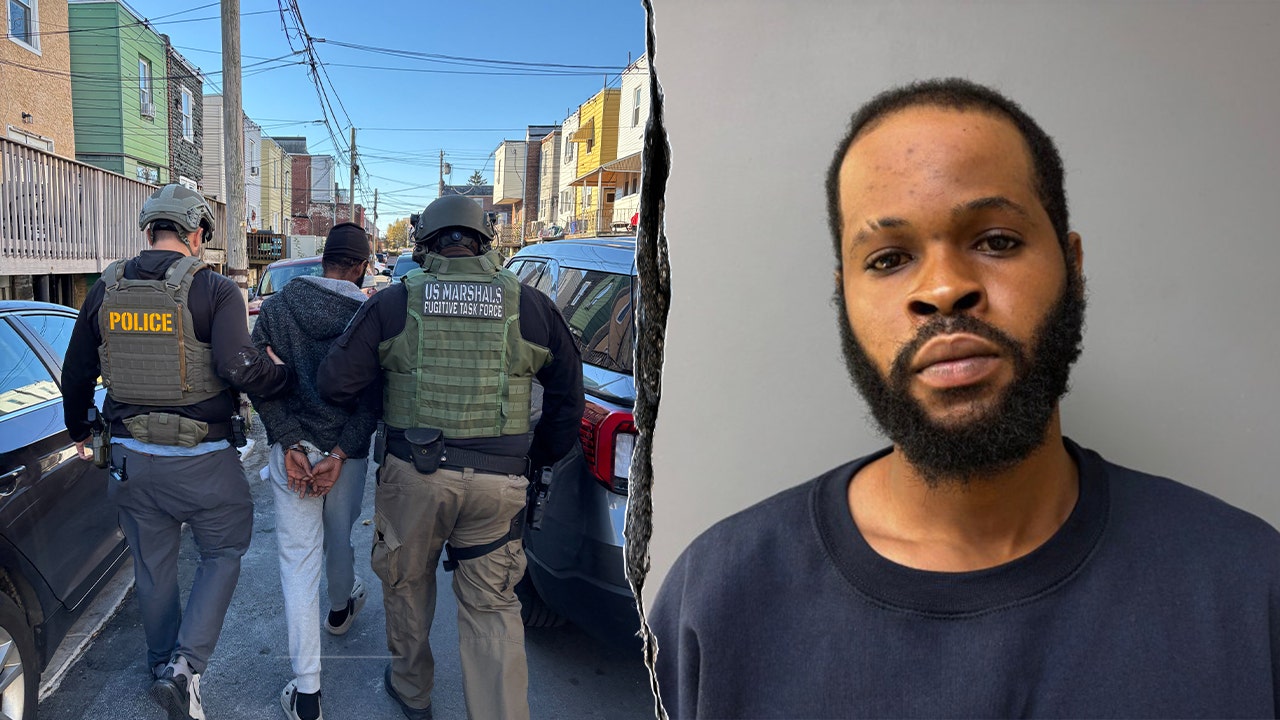
Federal officials said ICE arrested Jean-Louis in Philadelphia on Oct. 23, and he was later transferred to local authorities. DHS also described him as a criminal illegal alien and said he is under investigation for homicide by Montgomery County. The agency’s blunt language underscored the political firestorm around the case, especially as immigration enforcement remains one of the biggest pressure points in the country.
Investigators believe the relationship between Jean-Louis and Cooper had already fallen apart before the shooting. Reports say the two met while working at Walmart, married after Cooper allegedly offered to help him obtain a green card, and then split after his application was denied and she cut off contact. That breakup is now being viewed as a possible motive, and officials say the case may have involved stalking behavior before the gunfire ever started.
Police and prosecutors allege Jean-Louis sought out Cooper’s work schedule and waited outside the store for her shift to end. Witnesses and court documents described a masked man lurking near bushes before approaching and shooting Cooper as she left work. Cellphone records reportedly placed him near the Walmart on the night of the killing and on several nights before that, adding another layer to the evidence investigators say they have built.
The details are grim, but they also tap into a broader fear many Americans already have: that dangerous people can slip through the system and leave devastation behind. A parole program that was supposed to help manage migration instead now sits under a spotlight because one alleged beneficiary is accused of a brutal murder. For many people watching this case, the issue is not just one arrest, but whether the government is doing enough to keep track of the people it lets in.
Jean-Louis is being held without bail at the Montgomery County Correctional Facility. That means the legal fight is still in its early innings, and prosecutors will have to prove not only who pulled the trigger but also why the events unfolded the way they did. Meanwhile, the case keeps rattling the same basic question through the public conversation: how many warnings does a system need before it starts closing the door for real?
