
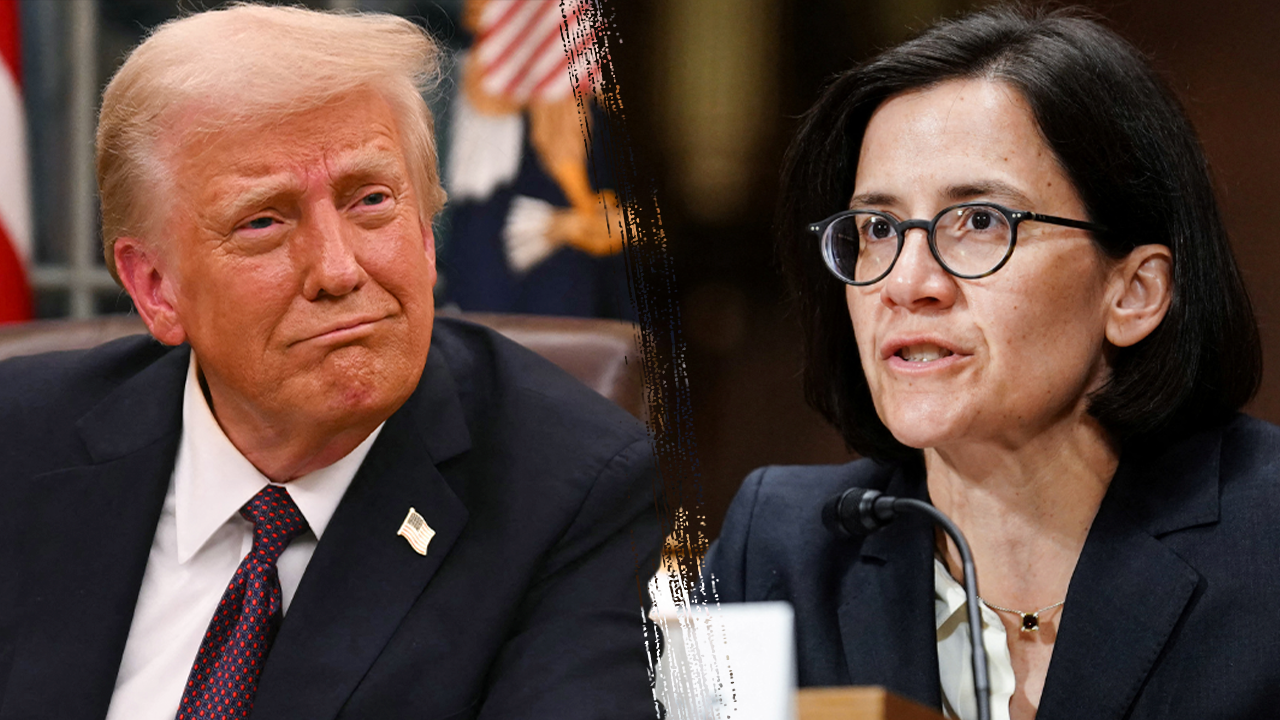
A heated clash over East Potomac Golf Links cooled off fast after a long federal hearing forced an unexpected retreat on a name-and-signature demand. The dispute sits inside a bigger fight over President Donald Trump’s push to remake a Washington golf course, the tree removals that set off alarms, and a judge who has already become a lightning rod for both sides.
The back-and-forth unfolded before Judge Ana Reyes, a Biden appointee who spent nearly seven hours pressing Justice Department lawyers over a filing tied to the course renovation battle. Her initial demand was simple enough on paper, but it turned into the kind of courtroom standoff that can swallow an entire day and leave everyone walking out irritated.
Reyes had wanted the attorneys to identify who stood behind a Sunday filing from Associate Attorney General Stanley Woodward Jr. She leaned on Rule 11, the part of the Federal Rules of Civil Procedure that makes lawyers vouch for the factual basis of what they file and can expose them to sanctions if they get careless or worse.
By the end of the hearing, though, the judge backed away from that demand. “Late breaking news,” Reyes said. “I’m going to withdraw request that DOJ refile yesterday’s brief with identification of who signed it. we’ve all got better things to spend our time on.”
The controversy did not come out of nowhere. It is tied to Trump’s push to transform East Potomac Golf Links into a “world-class, U.S. Open-caliber course,” a plan that has been kicking around while the administration and its critics spar over what is really happening on the ground.
Things got hotter earlier this month when the National Park Service removed about 430 trees from the site over a weekend. The Interior Department said the work was part of a longstanding effort to restore the course’s historic design, not some sneaky prelude to Trump’s larger renovation pitch.
That explanation did not calm the storm. Reyes responded by ordering a temporary restraining order to stop more tree removals, even though the act itself did not break a court order, and reports from an earlier hearing described her as shouting at administration attorneys.
Woodward then pushed back hard, asking for Reyes to be removed from the case and accusing her of bias and open hostility toward the Trump team. That move added another layer to an already tense fight, one that Trump himself poured gas on with a blunt Truth Social post calling the judge a “crazed lunatic.”
Trump also argued that the administration had the right to turn the course into something “great, safe, and prestigious,” and said the finished result would bring in money and prestige for Washington. He later posted that work was set to begin immediately, while also claiming the courts were blocking recordings that would show what really happened behind closed doors.
There was more to the paper trail as well. Trump said Interior Secretary Doug Burgum and architect Tom Fazio had already developed a plan for a “World Class Championship Golf Course,” with work supposedly starting November 15. That language clashed with a previous filing saying there had been “no agency action,” which is part of why Reyes wanted clarity so badly.
At Monday’s hearing, the filing signed only by Woodward became the flashpoint. Reyes asked the attorneys to raise their hands if they would sign it, Woodward said that was not appropriate, and the judge then ordered them to the podium to do it anyway.
The DOJ lawyers refused. Reyes first set a 3 p.m. deadline, then pushed it to noon Tuesday, then said the attorneys’ names could simply appear on the brief, and finally dropped the whole thing altogether.
That sequence may sound small, but in a case like this, small details can hit like a brick. Federal courtroom fights often turn on who signed what, who approved what, and whether the judge thinks the government is playing games instead of answering straight.
Outside observers noticed the same thing. Former federal prosecutor Abhishek Kambli said senior DOJ officials sometimes sign contentious briefs to take responsibility away from line attorneys, while conservative commentator Rachel Boulvard argued that younger lawyers are increasingly avoiding signatures because of political pressure and backlash.
Reyes has been a familiar name in Trump-era courtroom fights before. She was appointed in 2023 and later drew a judicial-misconduct complaint over her handling of litigation tied to Trump’s restrictions on transgender service members.
In a February 2025 hearing, she even asked a Trump administration lawyer what Jesus Christ would say about policies excluding transgender people from homeless shelters. Then-DOJ Chief of Staff Chad Mizelle accused her of “hostile and egregious misconduct,” but the complaint was later dismissed and the court said recusal was the proper path if anyone wanted to challenge her conduct.
That history hangs over every move in this new fight, and it helps explain why the room was so charged on Monday. The tree removals, the golf course redesign, the emergency order, the push for signatures, and the calls for recusal all keep feeding into each other, with nobody looking eager to blink first.
For now, the judge’s retreat on the signature demand leaves the larger fight unresolved, with the golf course renovation still tangled in legal pressure and political fire. The next round is likely to bring more filings, more objections, and probably another loud day inside a courtroom that already feels like a pressure cooker.
