
Morton Klein is sounding the alarm in a blunt way: too many Democrats, he says, are ducking clear condemnation of antisemitism while anti-Israel voices keep getting louder in politics. His warning lands in the middle of a tense stretch for both American elections and Israeli politics, where candidates, party leaders, and activists are all being judged on where they stand on Jews, Israel, and the growing normalization of hate.
Klein, who leads the Zionist Organization of America, pointed to Michigan Senate candidate Abdul El-Sayed as a sign of how far the debate has drifted. When El-Sayed would not clearly say Iran poses a bigger threat to the United States than Israel, Klein saw that as more than a flub on a debate stage. To him, it reflected a broader shift where anti-Zionist messaging is slipping into mainstream campaigns and getting a pass from party elites.
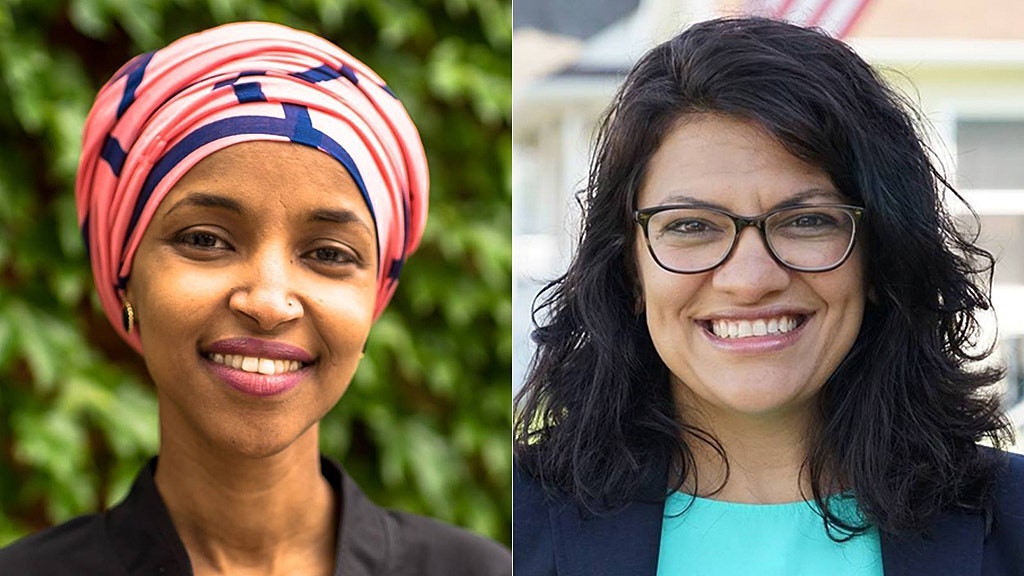
He did not hold back when talking about some of the loudest names in the Democratic Party. Klein called Rep. Ilhan Omar “one of the most vicious Jew haters in America,” and said he is frustrated that leaders have not forcefully and repeatedly shut down rhetoric he views as poisonous. He also lumped in figures like Rep. Rashida Tlaib, New York City mayoral candidate Zohran Mamdani, and El-Sayed as voices who go beyond criticism of Israel and slip into hostility toward Jews.
That distinction matters a lot to Klein. He argued that the issue is not simply sympathy for Palestinians or disagreement with Israeli policy, but a deeper hostility toward the Jewish state itself. In his view, some politicians and activists cloak that hostility in polished language, but the real message is plain enough once the slogans are stripped away.
Israeli politics, he said, is feeling the pressure too. Klein accused Jewish and Israeli leaders of watering down the threat from Hamas and other extremists, creating a climate of hesitation that he believes only emboldens enemies. He said that after the October 7 massacre, the response should have been far tougher, with no confusion about what Hamas stands for or what it has promised to do again.
That point came through sharply when he discussed the slogan “globalize the intifada,” which Mamdani declined to condemn. Klein described it as a call to violence against Jews everywhere, not just a protest chant or a vague political phrase. He said the refusal to reject it makes the larger problem impossible to ignore, especially when public figures continue to gain praise and institutional support anyway.
The conversation also turned to the language used around Gaza, Israel, and the war with Hamas. Klein pushed back hard against claims that Israel is the aggressor or that the conflict can be reduced to a land dispute. He insisted the core issue is the destruction of Israel and the murder of Jews, and he said pretending otherwise only gives cover to people who want the Jewish state gone.
His criticism of Democrats did not stop at rhetoric. Klein argued that party leaders are making a political choice by backing or excusing candidates who refuse to draw clear lines against antisemitism. He singled out Senate Majority Leader Chuck Schumer, Sen. Elissa Slotkin, and Michigan Attorney General Dana Nessel for supporting El-Sayed, calling that support disgraceful and proof that the party is willing to overlook hatred when it fits a broader political agenda.
Klein also warned that Israeli Prime Minister Benjamin Netanyahu could face a complicated road after elections if he needs support from left-leaning partners. In his view, a wider coalition could soften Israel’s posture at exactly the wrong time. That, he argued, would leave the country less able to respond forcefully if more violence erupts and more likely to get pulled into the same old cycle of concessions and disappointment.
For Klein, the bigger fear is not just one race or one candidate, but a political culture that keeps moving the goalposts. If hate is tolerated in one place, it spreads, and if elected leaders keep shrugging it off, the damage gets normalized fast. He sees the moment as a test of whether party bosses, Jewish leaders, and Israeli officials are willing to meet the threat head-on or keep making excuses while the pressure keeps building.
