
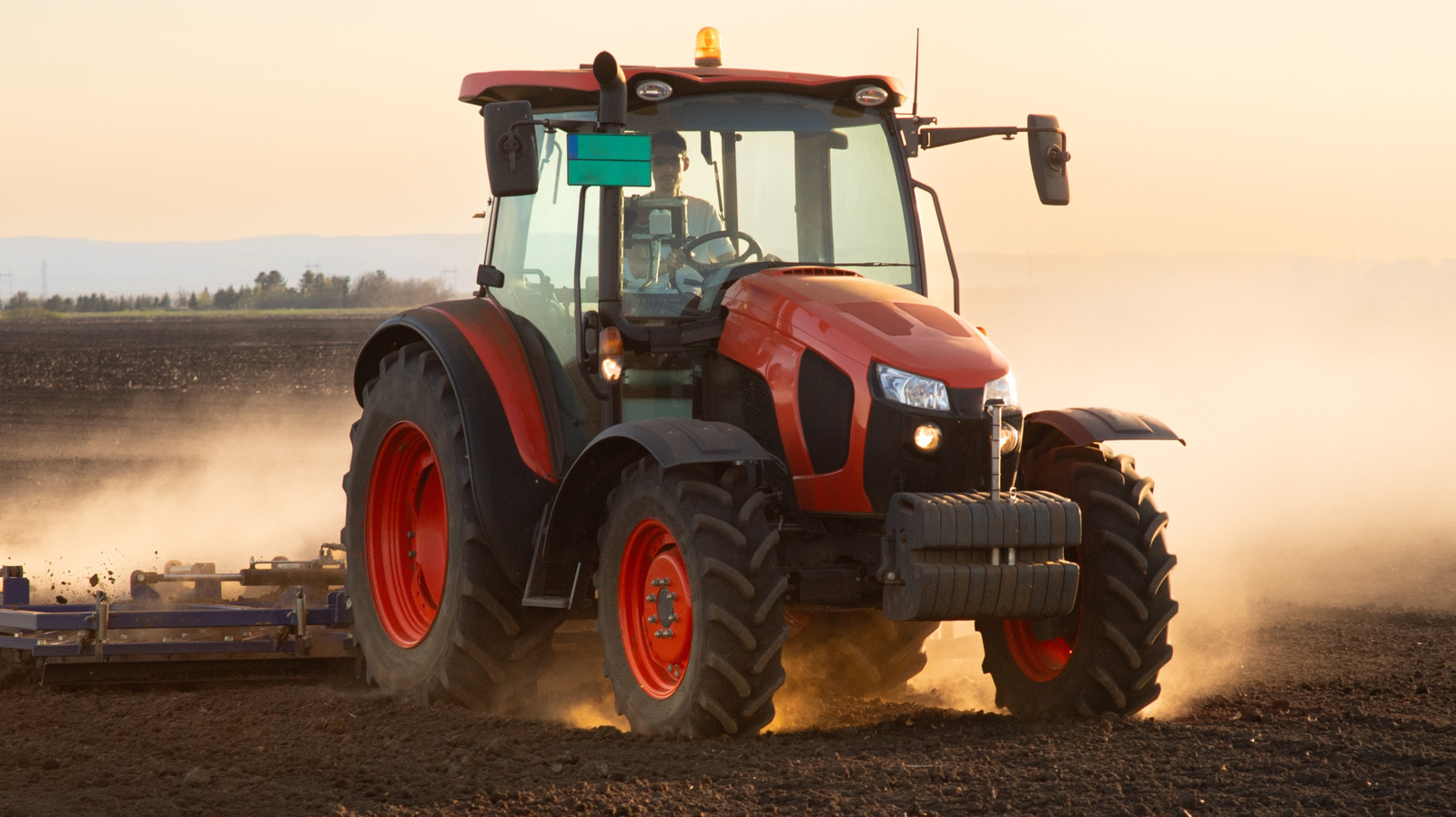
- Why tractors collect so much dirt and grime
- The core tools that make cleaning effective
- Common mistakes that can damage a tractor
- Why cab cleanliness matters for health and comfort
- How regular washing helps protect the machine
Tractors take a beating every time they roll into a field, and that means dirt, grease, and mud pile up fast. A good cleaning routine does more than make the machine look sharp, because it helps protect the paint, the cab, and the parts that keep everything running smoothly. The best approach is simple, practical, and built around the right combination of tools and timing.
Loose dust and debris should come off first, and that is where a leaf blower or similar tool earns its keep. Once the surface junk is gone, a degreaser can loosen the sticky stuff that clings to metal after long hours of work. From there, a pressure washer becomes the heavy hitter, blasting away grime that would otherwise stay locked in place.
Pressure matters here, and not in a vague way. A washer in the 3,000 to 3,500 PSI range is strong enough to tackle stubborn buildup without turning the job into a gamble. Go too hard, and the water can strip paint or push into places where it should not be, which turns a simple wash into an expensive headache.
It is also smart to think about where the spray is going, not just how hard it hits. Radiators, sensors, and other exposed components do not appreciate getting soaked, especially if the goal is to keep the tractor productive and reliable. The cab deserves attention too, since the seat, floor, and steering area can hold onto dirt long after the exterior is rinsed clean.
Inside the cab, a vacuum, a sturdy brush, and a cleaner made for tractor interiors can make a huge difference. That space sees sweat, dust, food crumbs, and all kinds of debris that quietly build up over time. Left alone, that mess can turn into a breeding ground for germs and make the workday a lot less comfortable than it needs to be.
Timing matters just as much as technique. Washing a tractor right after it has been running can be a bad move, because hot metal and cold water do not mix well. Giving the machine time to cool down helps avoid stress on the engine and other components, which is a small delay compared with the cost of real damage.
Waxing after the wash adds another layer of protection, and that is worth the extra effort. It helps seal the surface and makes it harder for dirt and moisture to stick the next time the tractor heads back out. That means the next cleaning is usually easier, faster, and less of a battle.
Keeping a tractor clean is not just about pride, and it is not some fancy extra reserved for showroom machines. Dirt mixed with grease can trap moisture against metal and set the stage for rust, corrosion, and long-term wear. A clean exterior also makes problems easier to spot, which is a big deal when small damage can turn into a bigger repair if nobody notices it in time.
