
Heating bills have become a political punching bag, but the real story is less dramatic and more frustrating. The squeeze on households has a lot to do with supply, infrastructure, and state-level choices that make energy scarcer and more expensive than it needs to be.
When world events rattle oil markets, prices can jump fast. That part is familiar, and it explains why a crisis overseas ripples into gas stations and utility bills at home. But the deeper issue is that the country keeps tripping over self-inflicted barriers right when it needs more reliable energy, not less.
One of the biggest pressure points is refining. The United States has far fewer operable refineries than it did decades ago, and that means less cushion when demand spikes or supplies get tight. A system that once had room to breathe now runs hot, fragile, and expensive.
That shortage shows up in everyday life in ways most people never think about until the bill arrives. If a refinery shuts down or a pipeline bottlenecks, the pain doesn’t stay in one place. It spreads into diesel, heating fuel, shipping costs, and the price of nearly everything that moves by truck.
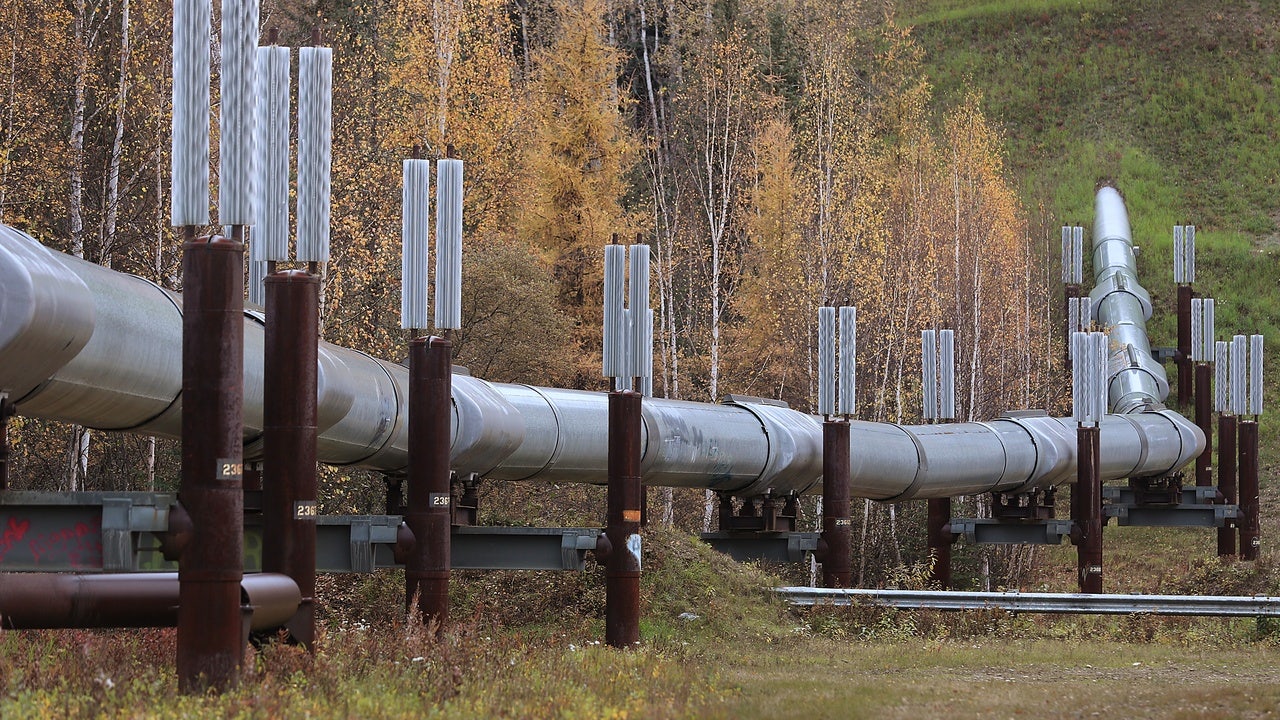
Pipeline fights have become a recurring symbol of that problem, especially in states that sit close to major supply but still block the lines that would bring it in. The irony is hard to miss. Some of the richest domestic energy resources are nearby, yet politics keeps them stranded.
New York is a perfect example. Natural gas is abundant just across the border, but getting it to consumers is another battle entirely because pipeline projects keep running into delay after delay. That leaves families and businesses stuck paying more for a resource that is already right there, waiting to be moved.
Climate laws add another layer of cost, especially when the deadlines sound bold but the path to meet them is murky. Big building mandates, for instance, can force expensive retrofits or trigger penalties that get pushed down to tenants, owners, and local businesses. The people writing the rules often act insulated from the math everyone else has to live with.
The same pattern shows up with power generation. Nuclear and coal plants have closed in many places, even though they still provide dependable electricity when weather turns ugly or demand jumps. When that steady capacity disappears before replacements are truly ready, the grid gets thinner and bills get uglier.
Winter makes the whole mess hit harder. On the coldest days, utilities need more fuel, more backup, and more flexibility, which is exactly when constrained supply becomes most painful. Families on fixed incomes cannot simply shrug and absorb it, so they turn the thermostat down and hope the next bill is a little kinder.
None of this means global events do not matter. They do, and that reality is part of energy markets whether politicians like it or not. The trouble is that states can either help soften those shocks or make them worse by choking off production, transportation, and refining at home.
The straightforward fix starts with common sense. Build the pipelines that connect supply to demand, keep reliable plants online until replacements are actually proven, and stop pretending that mandates have no price tag. Energy policy should reward abundance and resilience, not scarcity dressed up as virtue.
What matters most is whether families can heat their homes, drive to work, and keep the lights on without getting hit with another rude surprise. That comes down to whether leaders are willing to treat energy like the backbone of daily life instead of a place to score points with slogans.
