
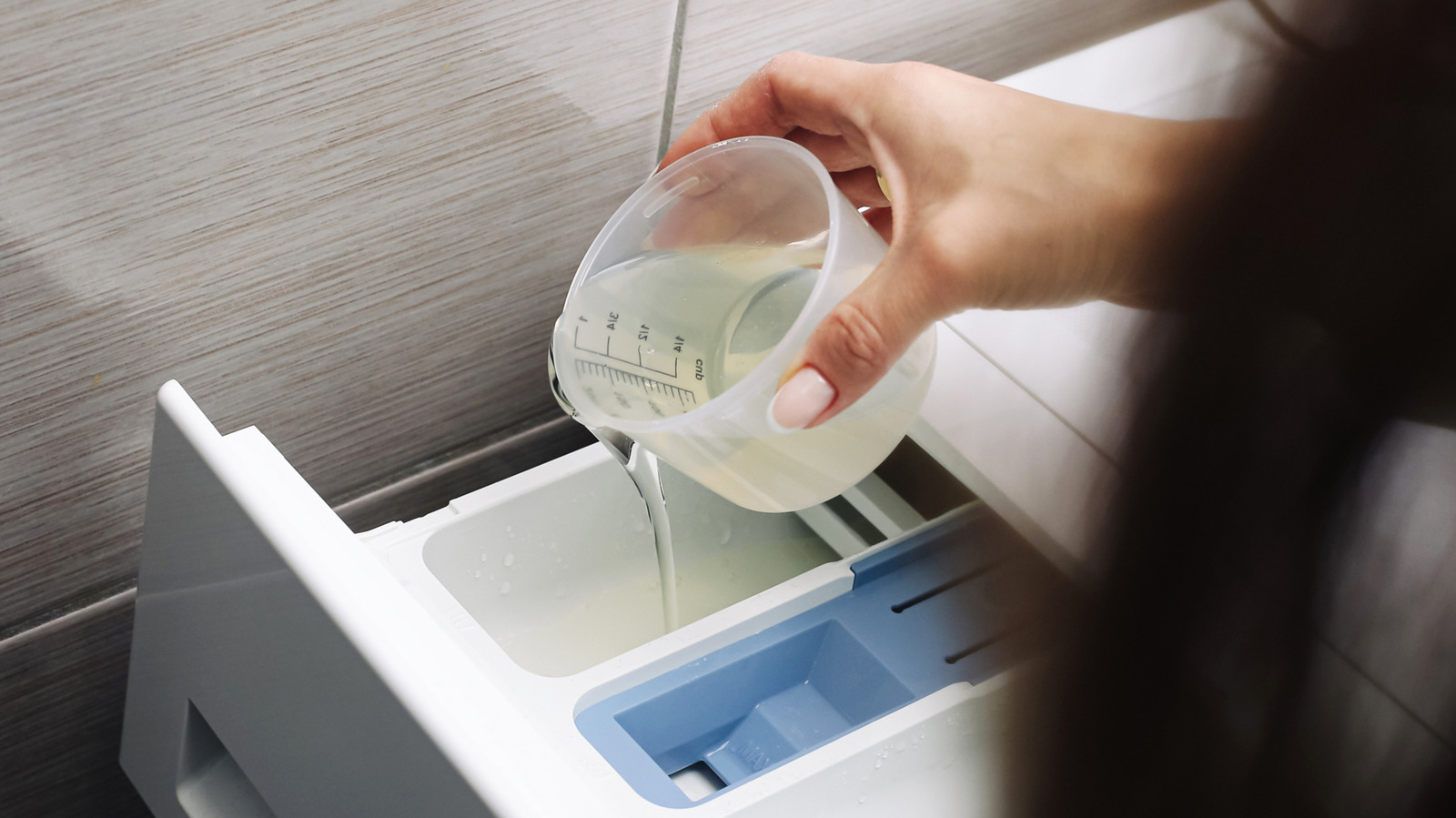
Automatic-dispensing washing machines take one of laundry’s most annoying chores and quietly steal it off the checklist. Instead of guessing, measuring, and hoping the amount is right, these machines aim to handle detergent on their own based on the load they’re cleaning. The result is a smoother wash routine, fewer messes, and one less thing to remember before pressing start.
In many modern models, the machine does a quick read of the laundry sitting in the drum before the cycle gets going. That first check helps it estimate how much fabric is inside and how demanding the wash is likely to be. From there, the washer dispenses a detergent dose that matches the load rather than relying on a fixed splash every time.
The key is load sensing. If the drum holds a small pile of clothes, the machine does not need to use the same amount of detergent as it would for a stuffed weekend load of towels and jeans. By weighing what is inside, the washer builds a rough picture of how much cleaning power is needed and adjusts the detergent accordingly.
That sensing process is often visible if the drum gives off a few short spins before the cycle settles in. Those little movements are not random, and they are not the washer showing off. They are part of the machine’s attempt to figure out the load before it starts dispensing anything.
Some washers skip the sensing step and use a preset detergent amount tied to the cycle selection instead. In that setup, the machine assumes the chosen cycle tells it enough about the kind of load it is dealing with. It is faster, but it also makes the selected cycle more important because the detergent amount is linked to that choice.
This is where automatic dispensers feel especially convenient, but they still depend on the right detergent being loaded into the reservoir. Most of these systems are designed for liquid detergent, and many recommend high-efficiency formulas for the best performance. That setup helps the washer pull in the detergent cleanly and spread it through the wash the way it was designed to.
Pods do not fit into that system. Laundry pods are meant to go straight into the drum, where they dissolve in the wash water at the right time. Put one in the reservoir and the machine cannot draw it out the way it can with liquid detergent, so the whole automatic-dispensing trick falls apart.
That difference matters because automatic dispensers are built around flow. Liquid detergent can be measured, transferred, and released in controlled amounts, which makes it a natural match for these machines. Pods are a separate format entirely, convenient in their own way but not compatible with a built-in dispenser.
For people who hate measuring detergent by hand, the appeal is obvious. A refill every few loads beats fumbling with caps and cups every single time, especially when the laundry basket is already overflowing. The system is not magical, just smart enough to use the load itself as the guide.
That is what makes the technology feel so practical. The washer is not guessing wildly, and it is not using the same amount for every load just because it can. It is watching the drum, reading the cycle, and deciding how much detergent fits the job before the wash really begins.
