
• FBI cyber probe and the latest arrest
• ShinyHunters and the jobs portal breach
• Possible exposure of personal information
• What investigators say was not accessed
• The wider fight against cybercrime networks
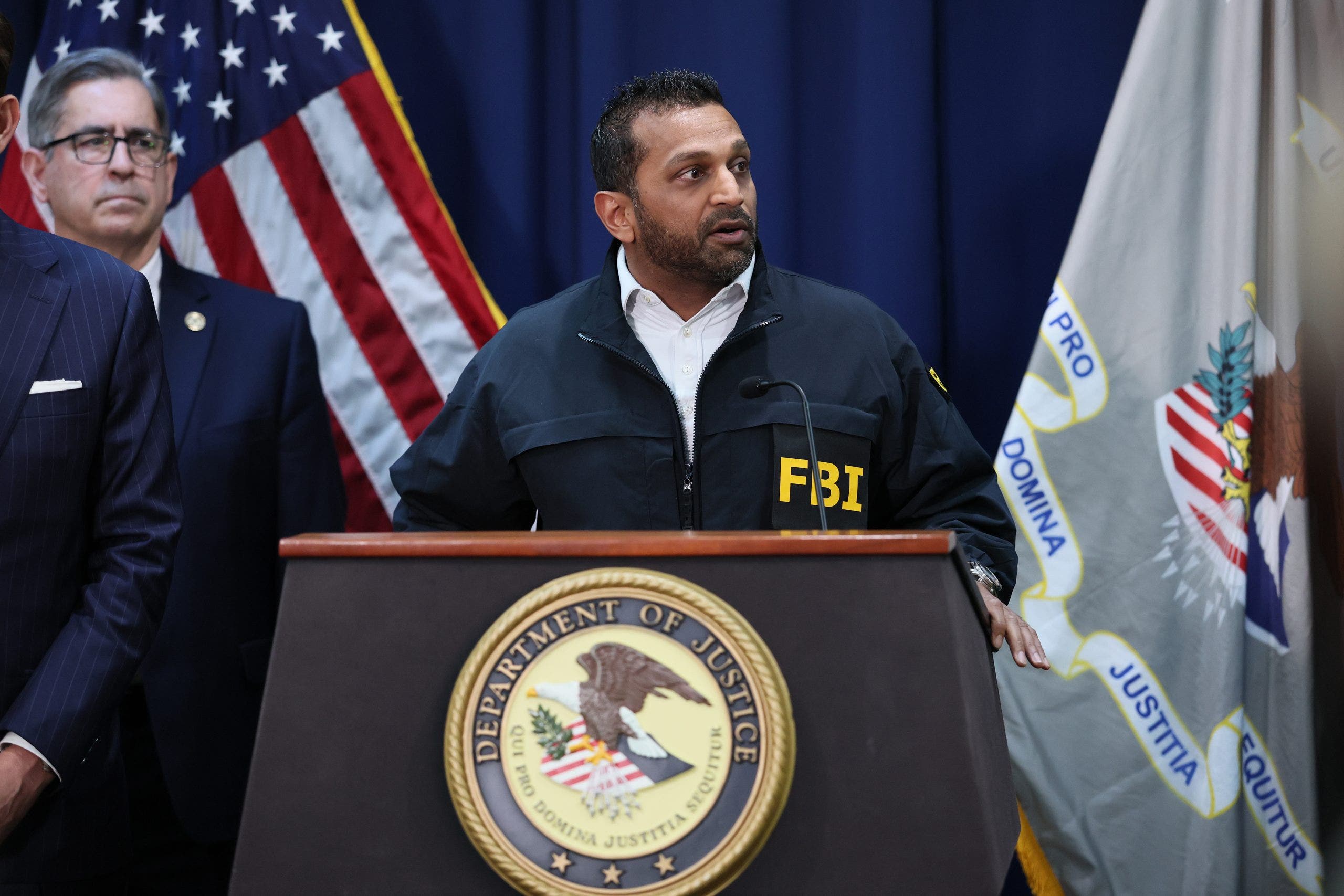
FBI Director Kash Patel said Friday that agents have arrested another suspected co-conspirator tied to the ShinyHunters hacking crew as the bureau keeps digging into the breach involving its jobs website. The move adds another twist to a fast-moving cyber case that has put a spotlight on how criminals target sensitive but non-classified systems.
Patel said the arrest happened earlier this week and is part of a broader push to track down people connected to the group. He described the work as ongoing, with investigators following new leads and building out the case piece by piece.
“Earlier this week, our agents in the field arrested another suspected co-conspirator of the ShinyHunters group, the group believed to be responsible for the recent FBIjobs.gov incident, which occurred on a platform managed by a third-party vendor,” Patel said in an Oct. 9 statement.
The bureau has been working the case alongside outside partners, and Patel framed the arrest as evidence that the pressure campaign is real. He said the FBI intends to keep chipping away at the network and anyone helping it operate.
“This arrest demonstrates the strength and reach of our efforts to protect Americans from cybercrime. We will continue to work closely with our partners to disrupt what’s left of the ShinyHunters group and their associates, no matter where they operate.”
ShinyHunters has been described as a criminal hacking and extortion group, and it previously claimed it pulled sensitive personal information from the FBI jobs portal. Those claims raised immediate concern because the data reportedly involved employees and job applicants, not just random internet users.
According to earlier reporting, the group said it had information tied to nearly all FBI agents and people who applied for jobs at the bureau. The sample data shared publicly allegedly included names, home addresses, Social Security numbers, assignments and, in some cases, family member names.
That kind of leak can cause real damage fast, especially when personal details land in the hands of scammers or extortionists. Even if the breach did not touch classified systems, exposed identity data can still fuel fraud, impersonation and targeted harassment.
The FBI has said it was looking into whether the incident came from its own systems or from a third-party provider supporting FBIJobs.gov. That detail matters, because modern breaches often start with a vendor rather than a direct hit on the main target.
So far, the full scope of the alleged breach has not been independently verified. That has left room for uncertainty, even as the public claims and the FBI response keep the pressure on the bureau.
Jason Pack, a retired FBI supervisory special agent and CEO of Media Rep Global Strategies, said the difference between stolen personnel records and access to classified investigative systems is huge. He stressed that the data involved in this case may be serious, but it is not the same thing as a hacker taking over the bureau’s core intelligence machinery.
“There is a meaningful difference between somebody obtaining personnel information and somebody gaining access to classified investigative systems,” Pack said. “Based on what we know right now, there is no indication they have the keys to the kingdom.”
That distinction has become central to how the breach is being discussed inside and outside the bureau. A leak of personal information is bad enough on its own, but it does not automatically mean the attackers can move freely through FBI networks or sensitive case files.
Still, cybercriminal groups often use stolen identity data as fuel for the next phase, whether that means phishing, social engineering or pressure campaigns aimed at employees and contractors. That is why cases like this tend to keep evolving long after the first announcement.
The Justice Department did not immediately respond to a request for comment on the latest arrest. For now, investigators appear focused on squeezing the group’s support network and making the cost of these attacks as painful as possible.
