
America’s defense game has changed fast, and the old map no longer tells the whole story. The systems that keep the country moving now include data centers, cloud networks, telecom lines, and other digital assets that can be just as important as bases, ports, or power plants. That shift matters because enemies have already started treating those systems like real targets.
For generations, national security was mostly about geography. Protect the border, guard the installations, and keep military forces in place where they could matter most. That logic still counts, but it now sits beside a new reality: the United States depends on privately owned digital infrastructure that can sit far from American soil and still be essential to American strength.
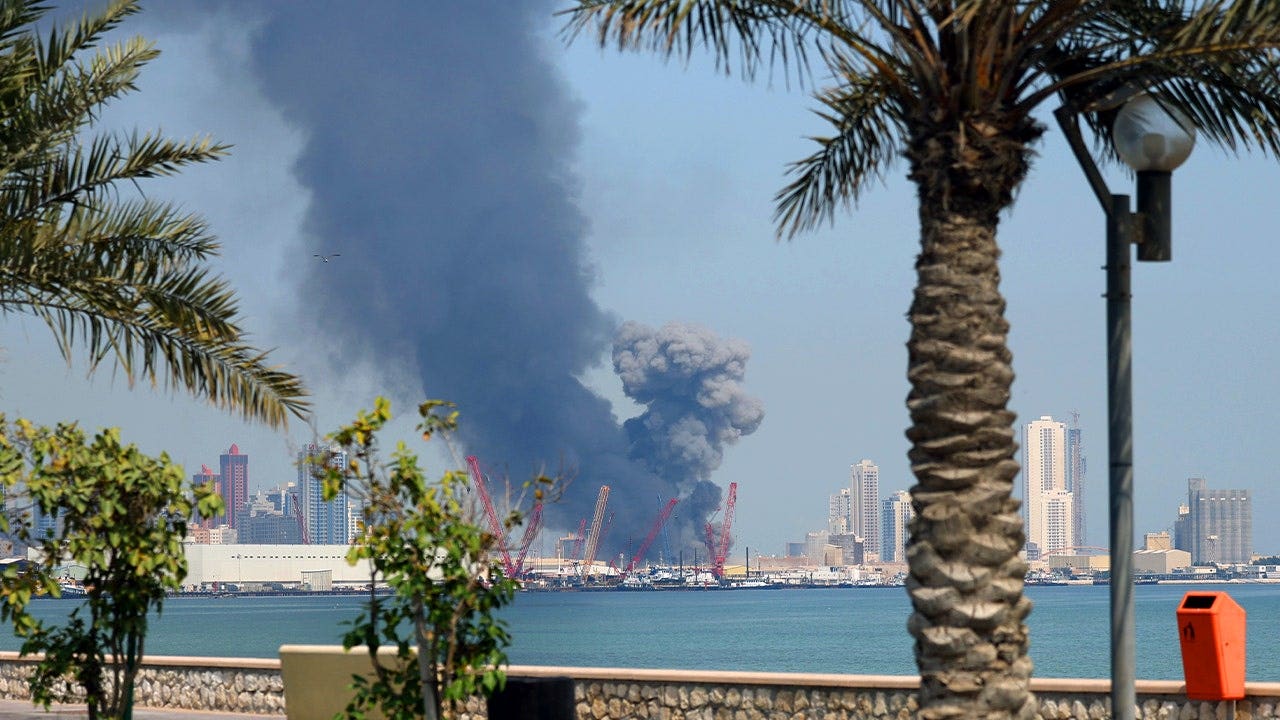
The recent Iranian strikes made that point hard to ignore. Damage to Amazon Web Services facilities in the Gulf disrupted cloud operations, hurt power and connectivity, and showed how quickly a strike on digital infrastructure can ripple outward. When the Islamic Revolutionary Guard Corps publicly claimed it had targeted an Amazon cloud facility in Bahrain, the message was blunt: commercial tech is no longer outside the fight.
That should get serious attention in Washington. The country’s military, financial system, hospitals, communications networks, logistics chains, and energy providers all lean on interconnected digital systems that have become invisible lifelines. Artificial intelligence adds another layer of urgency, because it demands massive computing power and storage that now sit at the heart of economic and national competitiveness.
The scary part is not just that these systems matter. It is that the damage from taking one down can spread well beyond the company that owns it. A private building may have a private label on the door, but if it supports military logistics, market transactions, or emergency communications, the consequences of a strike reach deep into public life.
Federal law already recognizes this basic truth. Critical infrastructure is defined broadly for a reason, covering physical and virtual systems whose failure could hit national security, the economy, public health, or safety. The problem is that the strategy has not fully caught up with how much power now runs through the digital layer of the economy.
That gap needs to close. Congress should create a narrow designation for especially important American-owned or American-controlled digital infrastructure, with strict standards for ownership, control, cybersecurity, physical security, supply-chain integrity, redundancy, and cooperation with national-security agencies. The point is not to slap a security label on everything with blinking lights and a server rack.
The point is to identify the small number of facilities whose loss would cause real national damage. Some would support military operations. Others would underpin financial markets, key communications, government systems, or strategically important AI capabilities. Those are not ordinary business assets anymore, even if they are run by private companies.
That designation would not magically turn a data center in Bahrain into American territory. What it would do is send a clear signal that deliberate attacks on critical digital infrastructure carry consequences. That kind of clarity is the backbone of deterrence, and deterrence is what keeps enemies cautious when they are tempted to test the line.
Congress should also think about the response playbook ahead of time. Sanctions, asset freezes, diplomatic punishment, and defensive cyber operations all belong on the table, along with other measures authorized by Congress when the facts support them. The idea is not to rush toward a shooting war every time a network is hit.
The idea is to make the cost of attacking vital infrastructure unmistakable. If adversaries believe they can knock out systems that power American strength without paying a meaningful price, they will keep probing. A tougher, clearer policy makes that gamble far less attractive.
The next war may not begin at a border crossing or on a battlefield with tanks and jets. It may start with a strike against the digital systems that keep the economy humming and the military connected. That is exactly why America needs to defend its infrastructure at home and overseas before the next hit lands.
