
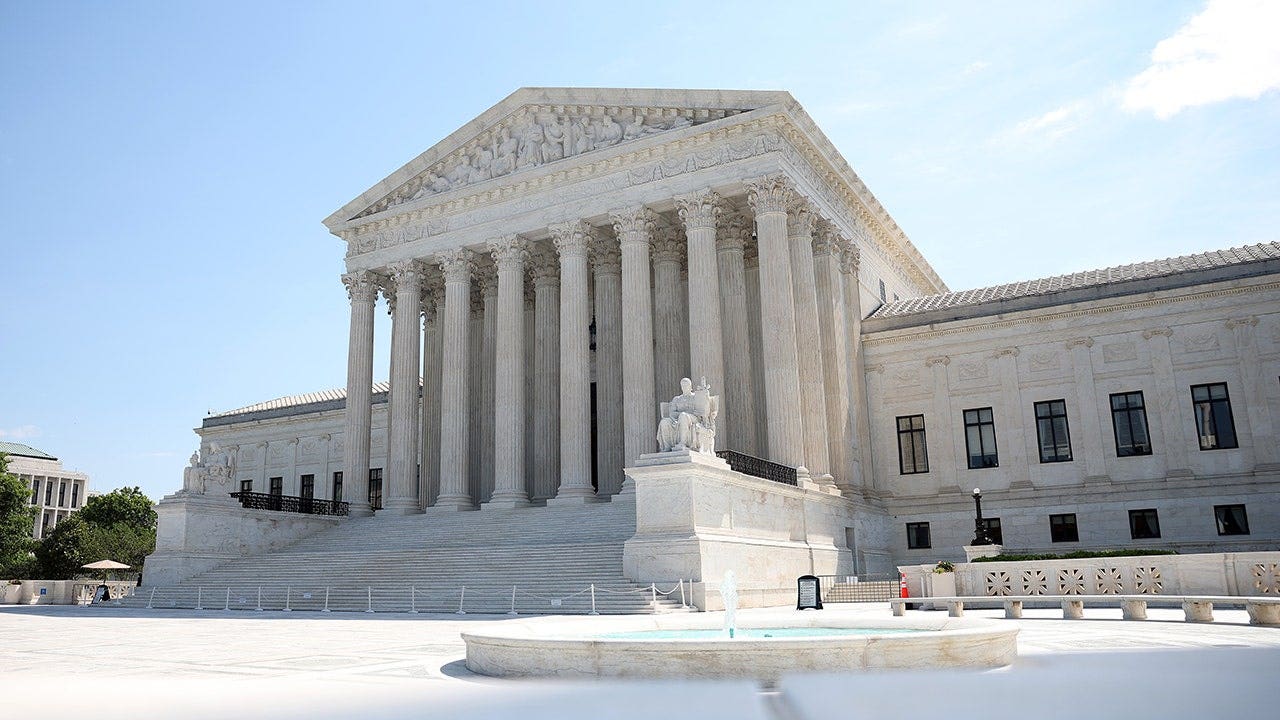
The Supreme Court’s new term is lining up like a pressure test for some of the biggest fault lines in American life. Gun rights, religious liberty, election rules, parental rights, and government overreach are all on the table, and the justices are about to weigh questions that could ripple far beyond the courtroom.
One of the first big fights involves climate litigation, where local governments are trying to use state law to pin global climate costs on energy companies. That kind of maneuver has drawn fire because it turns courts into a backdoor for policy fights that could not win in Congress, and it raises the stakes for energy prices, business liability, and the balance between state power and federal authority.
The deeper issue is bigger than one lawsuit. If one city can reach across borders and punish companies for emissions everywhere, then the old lines between state and national authority start to blur fast. The Court’s answer could decide whether these cases stay a niche tactic or become a weapon that every activist lawyer wants to use.
Religious liberty is back in the spotlight too, this time through a dispute over Colorado’s universal preschool program. The state offered families a public benefit, then drew the line at Catholic schools because of their beliefs, which raises the same ugly question that keeps coming back: can government hand out benefits while punishing faith at the same time?
The Court has already shut down similar schemes before, and that history matters here. When the state starts picking winners and losers based on a school’s religious convictions, neutrality goes out the window and the Constitution starts getting treated like a suggestion instead of a rule.
Second Amendment cases are also front and center, with bans on popular rifles like the AR-15 headed for review. These fights will force the justices to keep working through the meaning of “arms” under the Second and Fourteenth Amendments, especially after earlier decisions made clear that common firearms cannot be banned just because politicians dislike them.
That question matters because the Court has been pushing a historical approach to gun law, not a vague interest-balancing test. If a weapon is widely owned for lawful use, the burden is on the government to point to real history, not just hand-waving about public safety while treating lawful gun owners like the problem.
Election integrity is another heavyweight issue, this time from Arizona. The state tried to require documentary proof of citizenship for certain voter registrations and to remove confirmed noncitizens from the rolls before an election, but the lower courts blocked those moves under federal law and a prior settlement.
That setup has plenty of people shaking their heads. A state trying to keep noncitizens off the rolls should not be forced to stand down because of legal gymnastics that give one old agreement the power of a statute, especially when the core issue is whether the vote stays reserved for citizens.
Parental rights may turn out to be just as explosive. In the Washington case, the state changed its runaway-shelter rules so parents may not be told when a minor is seeking so-called gender-affirming services, leaving the state in the middle and the family on the outside looking in.
That kind of arrangement hits a nerve because it puts government over family in a very direct way. The legal question starts with standing, but the real-world stakes are obvious: parents should not have to wait until they are locked out of their child’s life before they can challenge a law that sidelines them on purpose.
What makes this term so loaded is that these cases are not abstract. They touch basic questions about who gets to make the rules, who gets protected by the Constitution, and how far government can go before it crosses the line. The justices are walking into a term where every answer is going to matter, and every ruling is likely to be felt well outside the marble walls of the Court.
