
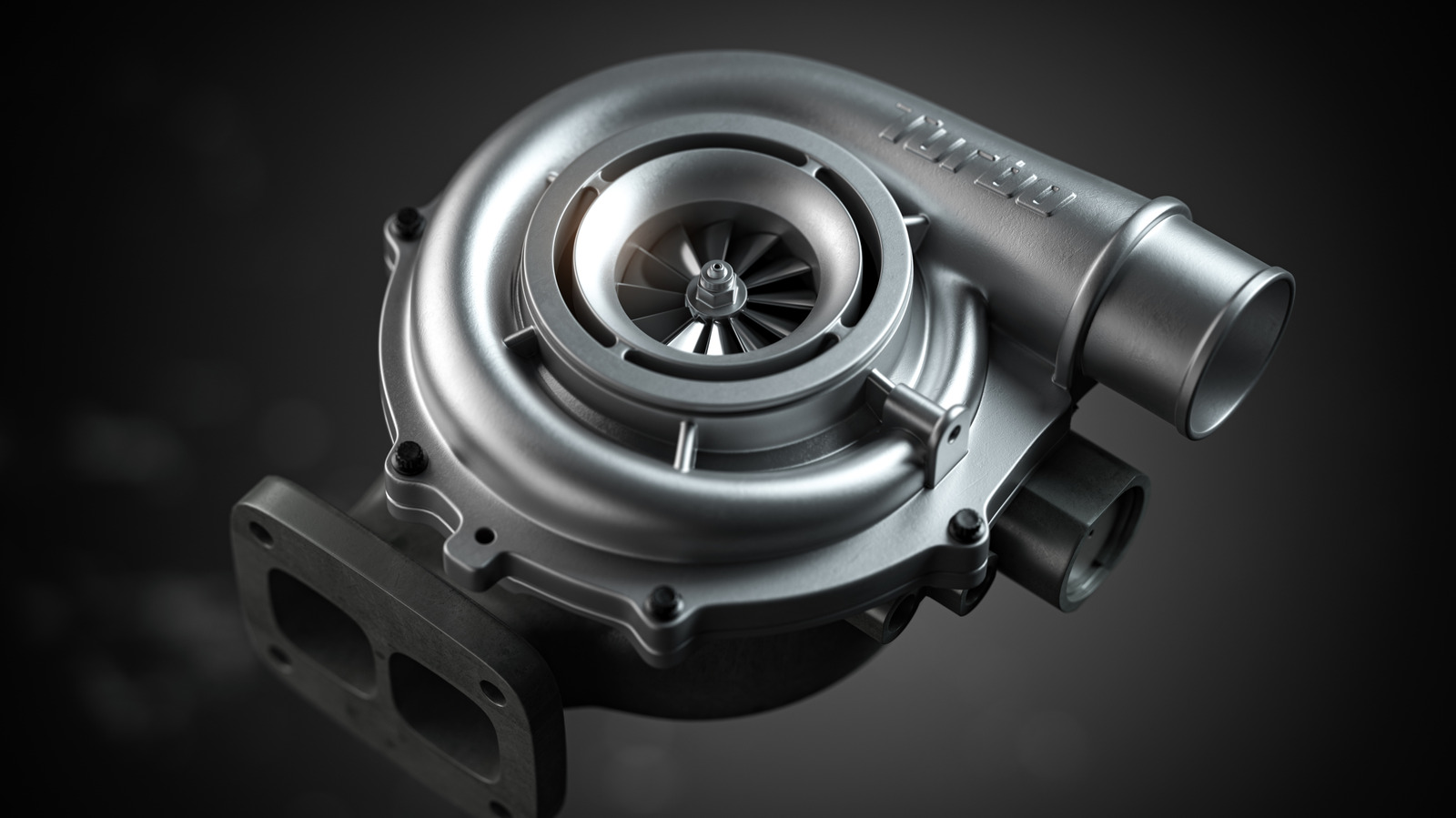
Turbocharging has turned small engines into serious performers, and that is exactly why the idea of twin turbos on a four-cylinder grabs attention. It sounds like a simple power boost, but the reality is messier, with airflow, engine layout, and modern turbo tech all shaping what makes sense and what does not. Most of the time, a single turbo is the smarter fit, yet a few unusual engines prove the rule is not absolute.
Turbochargers work by using exhaust flow to spin a compressor, which then packs more air into the engine. More air means more fuel can be burned, and that is where the extra power comes from, especially when a smaller engine needs to punch above its weight. The catch is that turbo size has to match the amount of exhaust gas available, so the setup has to be chosen carefully rather than tossed on just because it sounds cooler.
That is why twin turbos are far more common on engines with more cylinders or more exhaust volume. V6s and V8s often have enough airflow to justify splitting the workload, while many four-cylinders simply do not. With a smaller inline-four, especially one with modest displacement, there often is not enough exhaust energy to feed two turbos efficiently without making the system more complicated than it needs to be.
There are two basic ways a twin-turbo setup can be arranged. A sequential system uses one smaller turbo at low engine speeds and brings in a larger one later, while a parallel system splits the exhaust flow so each turbo serves part of the engine. Both layouts can work, but both also add parts, plumbing, and calibration headaches that a single turbo avoids.
That tradeoff matters even more on modern four-cylinder engines. Turbo lag used to be a bigger annoyance than it is now, but newer designs have gotten much better at delivering response without piling on extra hardware. When a single turbo can provide broad, usable power across the rev range, the case for adding a second one gets a lot weaker.
Diesel engines are one area where twin turbos make more sense, because they often operate at lower rpm and can benefit from a staged setup. In that kind of engine, a small turbo can wake things up early, then a larger one can keep pulling harder as revs rise. That is not really a fashion statement, it is a practical fix for the way diesel engines breathe.
Ford’s BiTurbo diesel is a good example of that logic in action. The 2.0-liter unit used a sequential arrangement to widen the usable power band, making it a better fit for trucks like the Ranger in overseas markets. Even then, the design was not without its own complications, including the kind of maintenance concerns that can make owners nervous over the long haul.
Subaru also took a swing at the idea with its twin-turbo boxer four, and that story is a reminder that clever does not always mean better. The system showed promise on paper, but it brought lag, complexity, and a lot of moving parts for a benefit that never felt dramatic enough to justify the hassle. In the real world, that kind of setup can end up feeling more like an engineering flex than a practical upgrade.
What makes all of this interesting is that the answer is not a flat no. A twin-turbo four-cylinder can absolutely exist, and in the right situation it can even work well, but it has to solve a real problem instead of creating one. When the engine’s airflow, purpose, and packaging line up just right, the extra turbo can make sense, and when they do not, the single turbo keeps its crown.
