
Cartels and other hostile actors no longer need boots on the ground to track federal law enforcement. With phone records, commercial data, and camera networks, they can piece together where agents live, who they meet, and which families are most exposed. That reality has pushed border and homeland security personnel into a far more dangerous world, one where privacy gaps can turn into real-world threats fast.
A hacker tied to the Sinaloa cartel reportedly identified an FBI legal attaché in Mexico City by using a phone number to pull records and location data. From there, the trail widened through city cameras, revealing movements and meetings that helped expose sources and witnesses. The lesson is ugly and simple: the people hunting our agents do not always need to follow them in person when the digital trail does the job for them.
The Justice Department’s inspector general has already warned that ubiquitous technical surveillance is still a serious problem. The audit found weak coordination, no shared definition across the department, and little progress on reducing the threat in a consistent way. That kind of drift leaves employees, investigations, sources, and witnesses sitting out in the open.
For law enforcement families, the risk is not theoretical. Officers working cartel cases can leave a raid, drive home, and walk straight back into the same community where the pressure, spying, and retaliation may reach their children, spouses, and neighbors. School drop-offs, church, youth sports, and regular routines all become pieces of a puzzle that can be assembled by the wrong hands.
This is where the commercial data economy gets especially nasty. Sensitive details that once took real effort to dig up can now be bought for pennies, and location data can point strangers to homes, schools, and hangouts with disturbing precision. What used to be hard-to-get intelligence has become cheap, sortable, and dangerous.
That means the response has to be practical, not ceremonial. Agencies need to know what an adversary can already see, help remove exposed home addresses where possible, and give agents a clear path to report threats tied to their personal information. Families also need support tightening accounts and reducing the trail that data brokers and surveillance systems leave behind.
The stakes are already showing up in plain language from federal officials. In one reported case, cartels put bounties on ICE and Customs and Border Protection officers, with money offered for doxxing, intelligence gathering, and even murder of senior personnel. Once that kind of price tag is on a badge, the danger spreads beyond the workplace and into daily life.
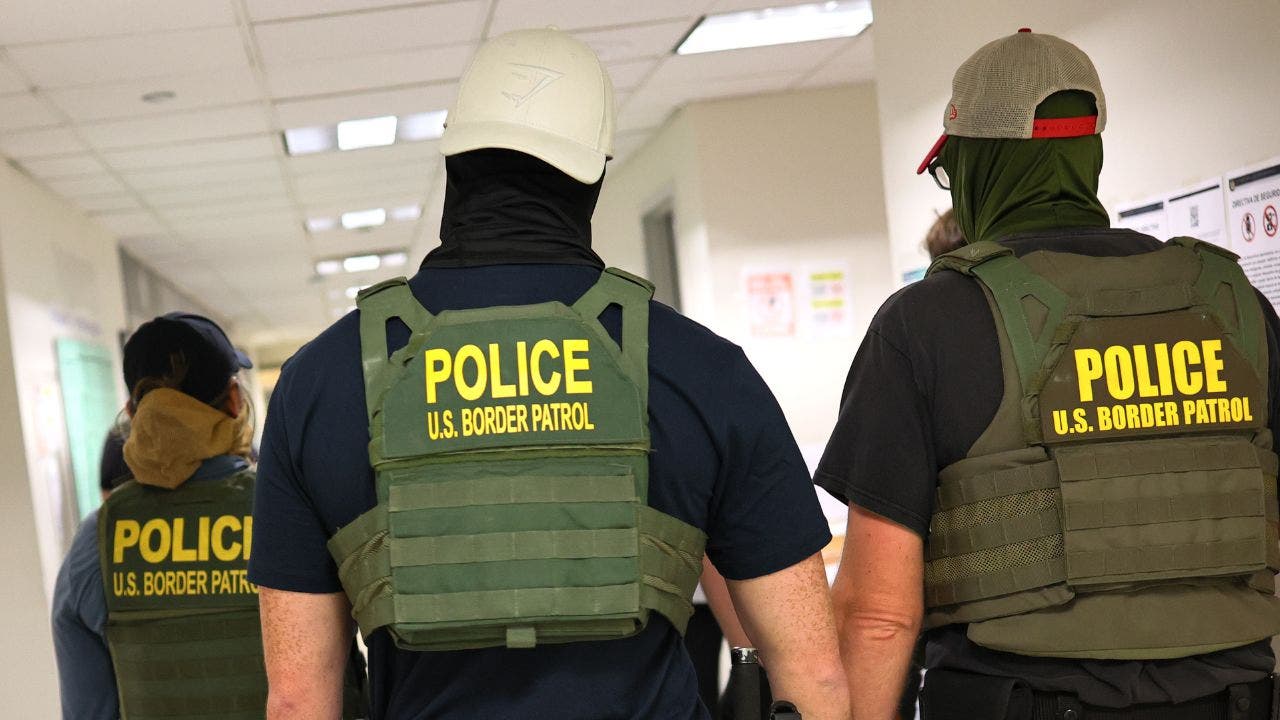
It also helps explain why many Border Patrol agents have started wearing masks or neck coverings during patrols and raids. That is not about theatrics. It is about avoiding easy identification by groups that are more than happy to exploit technology, public records, and social media to narrow in on the people enforcing the law.
The federal government has already taken a tougher view of cartel power by designating several Mexican cartels as foreign terrorist organizations. That kind of language should come with matching protection for the men and women actually in the field. If the threat is serious enough to name, it is serious enough to organize around.
What is needed now is a single accountable point of responsibility and steady funding behind it. The agencies with the highest exposure, especially those working cartel cases and protective details, need to be treated like priority targets for surveillance defense. The longer the gaps stay open, the easier it becomes for hostile networks to map a life, find a home, and threaten a family.
