
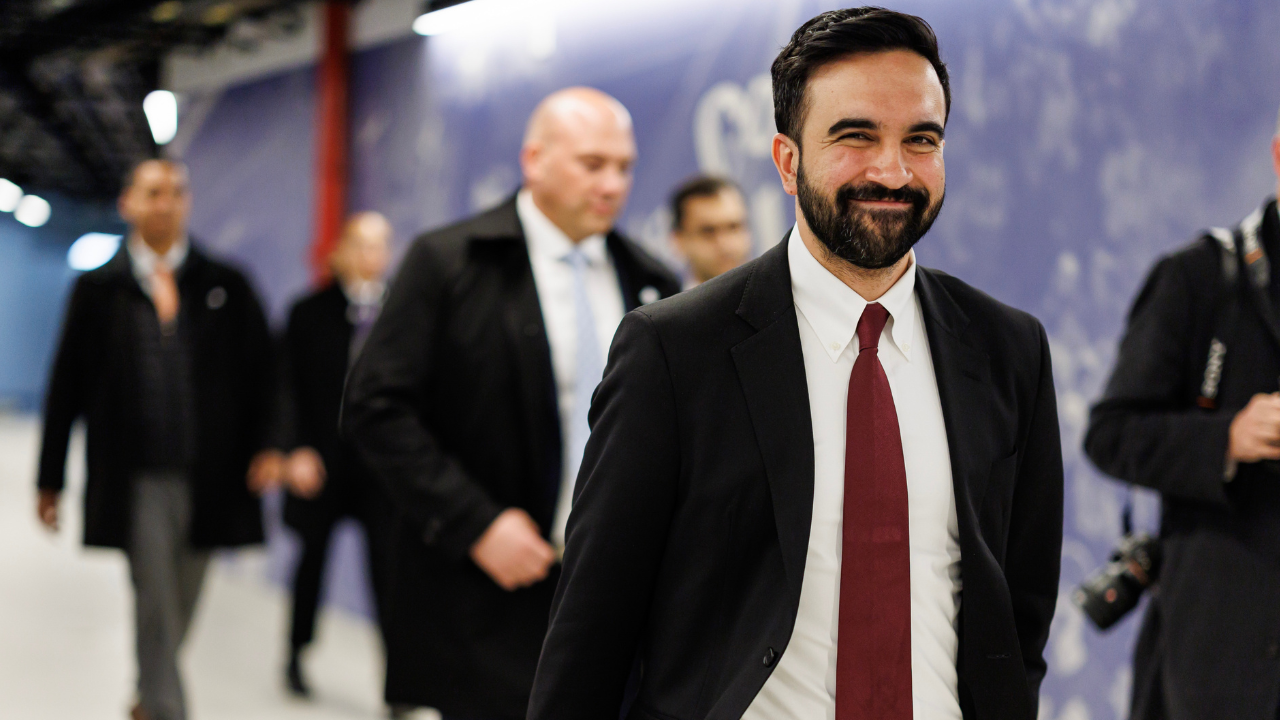
Zohran Mamdani’s City Hall is facing fresh scrutiny over whether its social media machine has crossed the line from promotion into pressure. The latest controversy centers on reports that senior aides discussed using a large influencer network to take aim at powerful New York business leaders, all while Mamdani keeps pushing an aggressive tax agenda and leaning into a politics-by-message style that has already rattled watchdogs, executives, and critics.
According to the reporting, more than 200 creators have been looped into an encrypted Signal group tied to City Hall. That alone raised eyebrows because the account appears to give the administration a fast lane for shaping the day’s narrative, handing out talking points, videos, and access in a way that blurs the line between outreach and political muscle.
The newest allegation takes that setup a step further. Two people briefed on the effort told the New York Post that aides discussed turning the influencer network loose on some of the city’s best-known executives, including leaders tied to the Partnership for New York City, a heavyweight group that speaks for major employers.
Pfizer CEO Albert Bourla and Related Companies CEO Jeff Blau were also mentioned as possible targets, according to the report. The idea, as described by one source, was not subtle, with the goal framed as blindsiding Partnership for New York City President and CEO Steven Fulop and using the moment to go after CEOs.
Fulop pushed back carefully after speaking with Mamdani, saying the mayor and top staff denied any plan to target business leaders. Still, he made it clear that trust is not the same thing as blind faith, saying the group would keep watching closely and warning that if the city kept moving in that direction, the fallout could be serious.
Mamdani’s team has flatly rejected the allegation. Spokesperson Dora Pekec called the report “categorically false” and “a complete lie,” though the Post reported that she did not point to specific factual errors in the story.
The controversy lands in the middle of a broader debate over how the Mamdani administration uses digital tools. Reinvent Albany, a government watchdog, has said city agencies can use paid influencers to promote public programs, but it has drawn a hard line against officials using apps like Signal for official business.
That criticism is not just about optics. In testimony before the City Council, the group warned that New York still lacks a practical system to preserve or retrieve official records created on apps such as Signal, which creates a real problem for transparency and public access.
The watchdog also wants clearer rules requiring electronic messages that qualify as public records to be archived properly. On top of that, it is pushing for disclosure when influencers are paid to promote city messaging, a point that matters more as the line between government communication and political influence keeps getting fuzzier.
All of this also folds into Mamdani’s larger economic pitch. He has repeatedly backed higher taxes on wealthy New Yorkers and corporations, arguing that the city needs new revenue to support his agenda and cover budget pressures.
Earlier this year, Mamdani called for a 2% income tax increase on residents earning $1 million or more, along with a higher corporate rate. Those proposals did not make it into this year’s budget, but he has not backed off them, and he has said he was being open about his vision, from free buses to higher taxes on the richest residents and most profitable companies.
He did win one major tax fight: a new pied-à-terre levy on luxury second homes owned by non-city residents. The administration says it could bring in about $500 million a year, though the rollout hit a legal snag when a Staten Island judge ordered officials to restart the process after finding the city had not followed the required procedures before sending notices.
The ruling did not kill the tax itself, and the administration has said it will keep fighting for the surcharge. Supporters of the policy argue that luxury property owners should help pay for the city services they use, while opponents see another warning sign that Mamdani’s brand of politics is built on squeezing the private sector and turning City Hall into a megaphone first, a governing operation second.
