
The defense world is getting a jolt from a new mix of old-school firepower and startup energy. Big contracts, faster production, and fresh technology are reshaping how the military builds missiles, tests systems, and prepares for the next fight.
For years, the defense industrial base has leaned on a familiar set of giant contractors that know how to produce at scale. That model is still doing a lot of heavy lifting, but the pressure to move faster has opened the door wider for new companies with different ideas and leaner approaches.
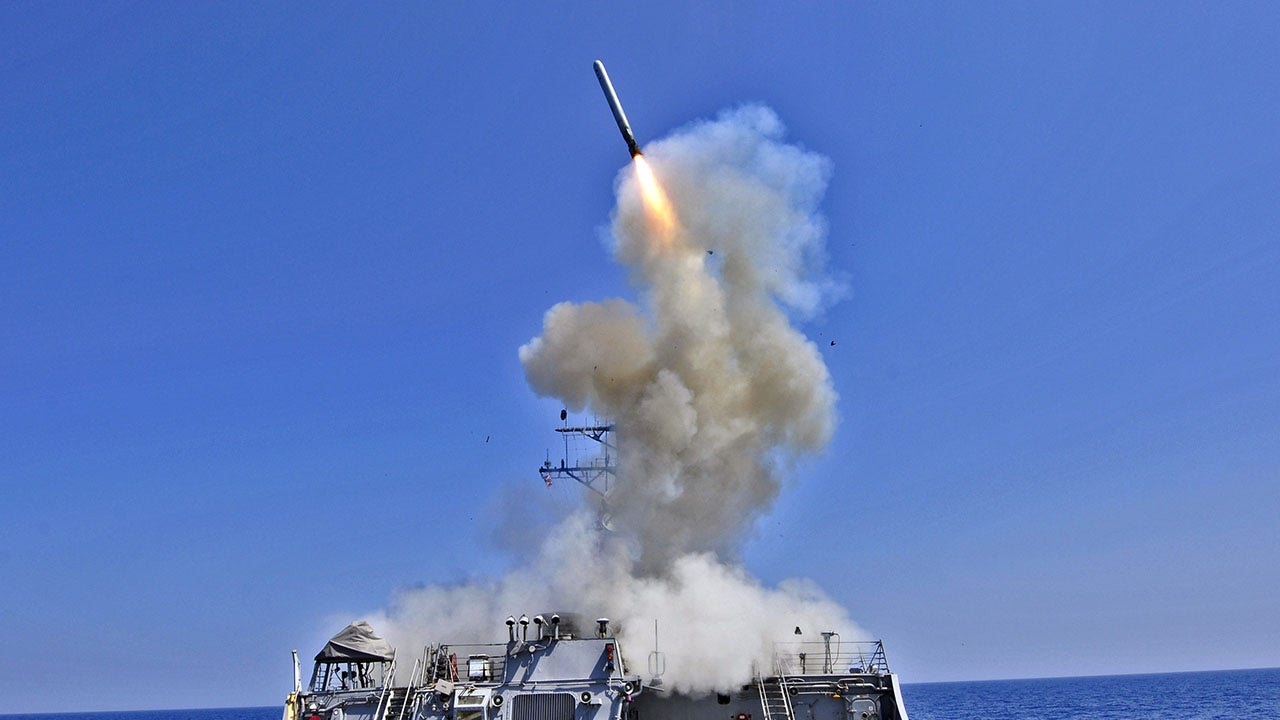
That shift is showing up in major weapons deals that stretch across several years. The Pentagon has been locking in long-term production for systems like Tomahawk missiles, THAAD components, and Patriot upgrades, a move meant to keep supply lines steadier and output more predictable.
Officials argue that these deals are not just about buying more hardware. They are also about giving manufacturers the confidence to hire, expand, and keep assembly lines moving without the stop-and-start cycle that can slow everything down.
At the same time, new entrants are pushing into areas that once seemed too hard to crack. Startups are bringing fresh tools into missile testing, hypersonic development, and launch services, and that kind of speed is appealing to military leaders who do not want to wait decades for the next breakthrough.
Rocket Lab has become one of the better-known examples of that trend. The company has picked up more than $2 billion in government contract awards since its founding and has worked with defense innovation teams on testing systems that could support future hypersonic capabilities.
That kind of work matters because the Pentagon is not just chasing quantity, it is chasing adaptability. When a company can test quickly, learn fast, and shift gears without a mountain of bureaucracy, it can become part of a defense ecosystem that reacts better to real-world threats.
Castelion is taking a similar approach, with a focus on speeding up how weapons get built. Its leadership has pointed to the Apollo era as proof that the United States can move with urgency when the mission is clear and the process stays grounded in results.
The company’s pitch is simple enough: build first, test hard, fix problems early, and keep moving. That kind of mindset stands in sharp contrast to the slow, bloated habits that have frustrated defense planners for years and left too many programs stuck in the mud.
The government seems ready to reward that attitude. Castelion has already drawn in significant contract money and funding, and it is now positioned for future work tied to hypersonic weapons if it continues to hit the targets laid out by the department.
That is where the balance gets interesting. The primes still matter because they know how to build the biggest systems in the arsenal, but startups are showing they can bring urgency, creativity, and a willingness to challenge old assumptions.
Rep. Michael McCaul captured that tension well when he described the big firms as essential but slow to turn. He also pointed to the faster pace and inventive instincts of startups, especially after watching how quickly battlefield innovation has evolved in places like Ukraine.
The message from all of this is hard to miss. The Pentagon wants more weapons, more speed, and more resilience, and it is willing to split its attention between longtime defense giants and newer firms that can move with less drag.
That combination is starting to change the mood around military production. Instead of treating innovation and industrial scale as opposing forces, the department is trying to make them work together, and that is pulling more attention toward companies that can prove they belong in the fight.
