
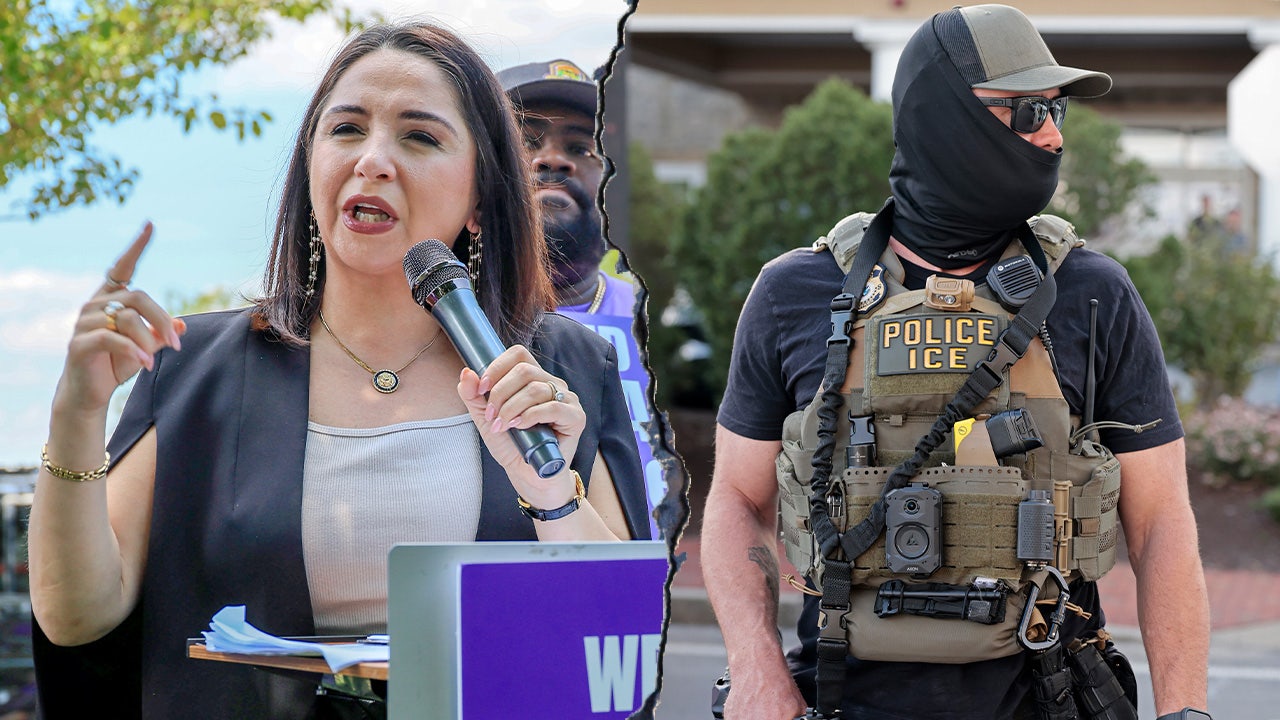
Rep. Delia Ramirez is under fresh fire after pushing a bill that would rip apart the Department of Homeland Security in its current form and shut down ICE and Customs and Border Protection. The proposal has triggered a sharp response from DHS Secretary Markwayne Mullin, who framed it as a reckless attack on law enforcement and border security. At the center of the clash is a bigger fight over whether the federal government should double down on immigration enforcement or scale it back in the name of a new public safety model.
Mullin did not mince words. He blasted the push as the kind of open-borders politics that puts ideology ahead of Americans, and he said DHS workers are the ones standing between dangerous criminals and the public. His office also argued that the bill reflects a broader effort from the left to defund enforcement and weaken the agencies tasked with protecting the country.
Ramirez’s legislation, called the Reimagining Safety Act, would create a new Department of Community Safety while stripping DHS down to a much smaller footprint. Under the plan, agencies such as TSA, FEMA, CISA, the Coast Guard, and customs functions would stay in place, but ICE would be abolished and CBP would be eliminated too. The bill also calls for a separate civil immigration system, which supporters say would reset how the country handles immigration and public safety.
The push landed in the middle of a high-stakes border debate that has only grown more intense. DHS pointed to enforcement results and argued that immigration officers are arresting serious offenders, not chasing ordinary people trying to get by. The agency said critics are ignoring the reality on the ground, where officers are dealing with violent criminals, repeat offenders, and cases that can turn deadly fast.
Ramirez, for her part, defended the bill as a way to hold DHS accountable and stop what she views as lawless conduct. She argued that the department should be dismantled and rebuilt, saying the current structure has gone too far. That message fits neatly into a broader progressive push to replace enforcement-heavy immigration policy with a softer, civil-focused approach.
But DHS and its allies say the idea falls apart the second real-world threats enter the picture. The department highlighted arrests in Illinois involving individuals with violent convictions, including rape, sexual assault, robbery, and homicide. That detail was meant to hammer home the argument that ICE and CBP are not abstract bureaucracies, but frontline agencies dealing with dangerous cases every day.
The fight has also taken on a more personal edge, with DHS accusing Ramirez and other critics of fueling hostility toward officers. The agency said that kind of rhetoric has helped create a climate where assaults on law enforcement have surged, and it warned that vilifying ICE only makes a tough job more dangerous. That message is aimed not just at lawmakers, but at voters who are watching border politics turn into a fight over basic public safety.
For now, the bill is less a quiet policy proposal and more a flashing warning light about where the immigration debate is headed. On one side is a call to dismantle the enforcement arm of the federal government and rebuild it from scratch. On the other is a blunt insistence that the country cannot afford to handcuff the agencies trying to keep dangerous people out and protect the people already here.
