
Legitimate immigration and labor debates can get messy fast, but fraud allegations push the issue into a different lane altogether. When claims involve H-1B sponsorship, payroll tricks, and public money, the story stops being abstract and starts looking like a hard warning sign.
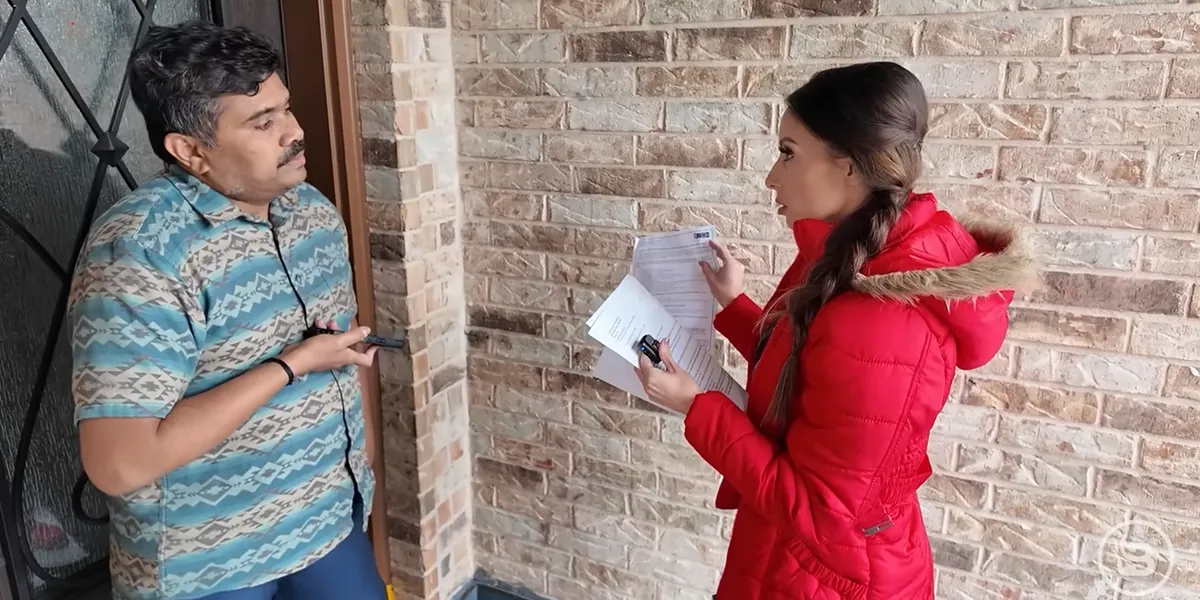
The latest uproar has put Indian H-1B sponsorship practices under a sharper spotlight, and the reaction has been immediate. A probe tied to BlazeTV host Sara Gonzales has reportedly sparked panic among those with something to hide, especially where visa rules and business paperwork overlap.
The controversy centers on the idea that some employers may be using immigration programs the wrong way while also leaning on taxpayer-backed systems. That is where the pressure builds, because once fraud enters the picture, every document and every payment trail suddenly matters a lot more.
H-1B visas have long been sold as a way to fill specialized jobs, but critics argue the system can be gamed. When companies treat the program like a loophole instead of a labor tool, American workers get squeezed and the whole setup starts to look rigged.
That is why the mention of Texas matters too. Texas has become a place where immigration fights, labor disputes, and business scrutiny collide, and any fraud claim there tends to hit a nerve fast.
Paycheck Protection Program concerns only add more fuel. If a company is accused of abusing visa sponsorship while also touching pandemic-era relief money, the story becomes bigger than one bad actor and turns into a broader test of accountability.
Fraud cases like this often expose something deeper than one questionable filing. They raise the same old problem: people who know how to work the system can hide in plain sight while ordinary taxpayers are left to foot the bill.
The reaction from the public is easy to understand. People are tired of watching rules apply one way to regular families and another way to connected operators who think paperwork is just a suggestion.
There is also the bigger political angle hanging over the issue. For a lot of Americans, H-1B abuse is not just about visas, but about whether employers are choosing cheap foreign labor over fair opportunities for citizens and lawful residents.
That tension gets sharper when fraud allegations seem tied to India-focused sponsorship networks. Even when the details are still being sorted out, the perception alone can be damaging because it feeds a growing belief that the system is too easy to exploit.
What makes these stories stick is not just the possible crime itself, but the pattern behind it. If one investigation opens the door to a wider look at sponsorship schemes, payroll records, and relief funds, a lot of people may have to answer uncomfortable questions.
And those questions are not going away anytime soon. The louder the panic gets, the more obvious it becomes that immigration, labor, and public trust are all tangled together in a way that demands real scrutiny.
