
• Senate race in Kansas is getting tighter
• Marshall rejects the report as a political attack
• The former medical practice drew scrutiny over patient debt
• Collection policies and court actions are at the center of the dispute
• Democrats and Republicans are using the story as campaign fuel
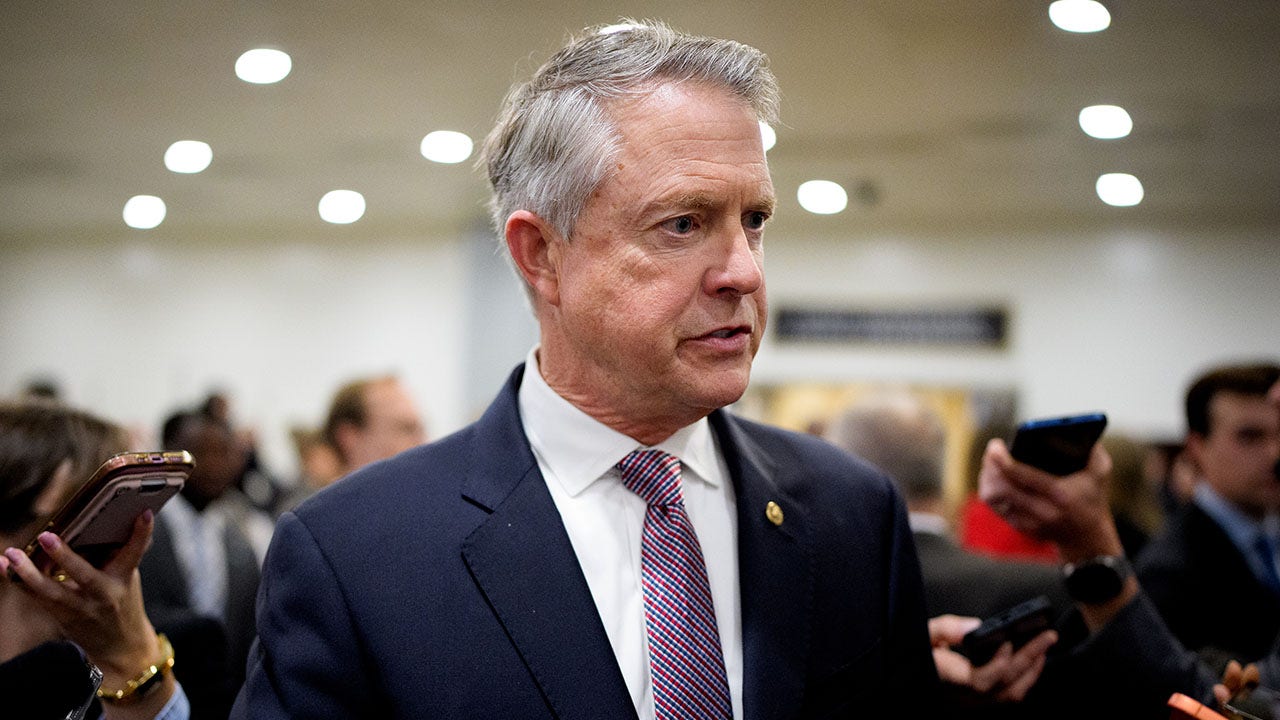
Republican Sen. Roger Marshall is pushing back hard after a report reignited questions about his years as an OB-GYN and the collection practices tied to his former clinic. The Kansas senator says the story is a political stunt, not a fair account of how his practice handled unpaid bills.
Marshall argued that the coverage was designed to wound him politically at just the right moment, calling it a straight-up hit piece. He said Senate Democratic leader Chuck Schumer was behind the effort and suggested the report was less about journalism and more about campaign damage.
The dispute centers on claims that lawsuits were filed against hundreds of former patients over medical debt, with some cases eventually leading to arrests for missed court dates. Marshall said that once accounts were sent to collections, the office no longer controlled what happened next, and that outside collection firms handled those decisions.
He also said his practice followed the same kind of billing routines used across the region. According to Marshall, patients were often given a long runway to pay, sometimes close to a year, and the office tried to work with people who stayed in contact and made some effort to pay what they owed.
Still, the report gave his opponents plenty to work with. Democratic nominee Adam Hamilton’s team argued that the senator’s own legal side had allowed aggressive collection methods and interest charges that went beyond what many voters would expect from a doctor-patient relationship.
That line of attack lands in a race that Republicans would normally expect to control, but Kansas is not getting ignored this cycle. Marshall is on the ballot for another Senate term, and the contest has drawn more attention as Democrats look for any opening they can find.
Marshall’s past as one of the few doctors in his area willing to take Medicaid has also become part of the argument. He says that brought in patients from a wide region and that his office was serving people who had limited options, which made the billing picture more complicated than critics want to admit.
In his telling, the story leaves out the grind of running a medical office in a place where one doctor was always on call and patient loads never let up. He said many bills were written off, many patients paid only small amounts, and the notion that he personally managed every collection move does not match how the process worked.
The controversy also spilled into the broader political fight around the race, with Vice President JD Vance stepping in to defend Marshall at a campaign stop. Vance brushed off the report as an unfair attack on a man he described as a strong ally of President Donald Trump and someone who has fought for ordinary Americans.
Marshall has kept pressing the same basic point: the report distorts what happened and strips away the realities of medical billing, collections, and unpaid balances. He said he trusts the courts and the real-world record more than the way the story was framed, and he made clear he does not buy the version his critics are selling.
The fight has turned into a familiar Washington brawl, with one side insisting the senator’s past deserves scrutiny and the other saying the timing tells the whole story. For Marshall, the issue is not just about old clinic records, but about whether voters in Kansas see a doctor who served a demanding community or a target in a political ambush.
