
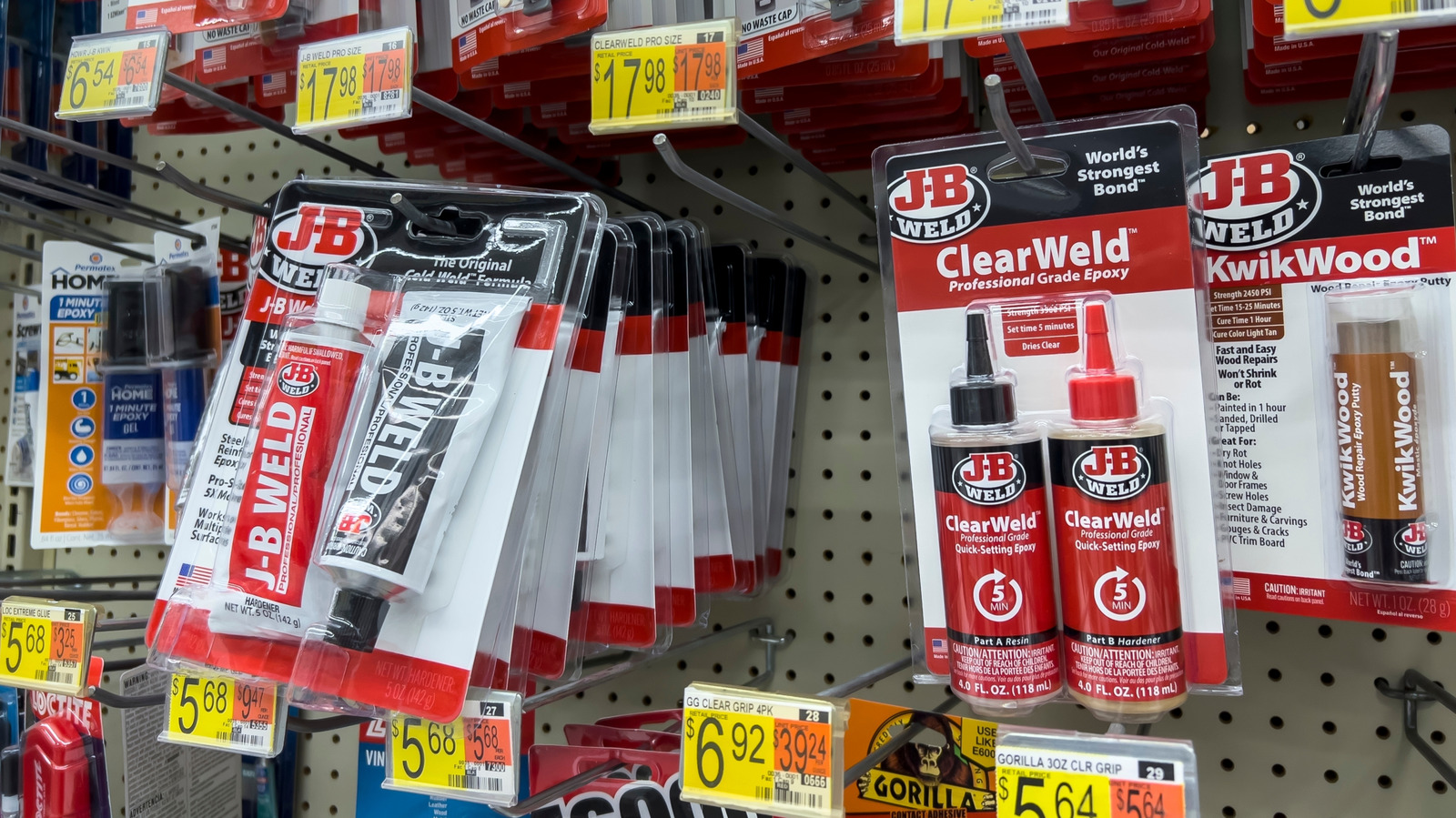
J-B Weld can feel like magic when a crack, chip, or broken tool suddenly needs to hold together again. But the real question is not whether it sticks, it is how long it needs before the repair is actually ready for pressure, heat, and regular use.
The original steel-reinforced J-B Weld formula is built for serious repairs and does not rush the process. It typically sets in four to six hours and reaches a full cure in about 15 to 24 hours, which means it may look done well before it is truly at full strength.
That timing changes a lot across the product lineup. KwikWeld is made for faster fixes, with a short set time and a full cure in roughly four to six hours, while plastic-focused versions can harden in far less time, sometimes in under an hour.
Heat-resistant formulas work on a different clock. Products designed for high temperatures often need a longer cure window, sometimes up to a full day, because that slower process helps them build the toughness needed in harsher conditions.
When epoxy stays tacky after the expected cure time, the problem usually comes down to the basics. An off-balance mix, sloppy blending, or a cold workspace can keep the chemical reaction from finishing the job.
The company’s cure times assume an even resin-to-hardener ratio, careful mixing, and surfaces that are clean and dry. A room-temperature environment, around 70 degrees Fahrenheit, also matters more than many people realize.
If the epoxy is still sticky after 24 hours, the mix may have been off or the components may not have blended all the way through. Too much resin or too much hardener can throw off the reaction, and half-mixed material can leave soft patches that never really firm up.
Surface prep matters just as much as the blend itself. Dirt, grease, paint, or smooth glossy finishes can weaken the bond, so a rough and clean surface gives the epoxy something solid to grab onto.
Fixing a bad cure usually means starting over instead of trying to force the old repair to work. Any uncured material should come off before a fresh application, and the next round should be mixed more carefully and applied to properly prepared surfaces.
Even storage plays a part in how well the product performs later. Unused epoxy should be capped tightly so the remaining material stays usable longer and does not start aging out before the next repair comes along.
