
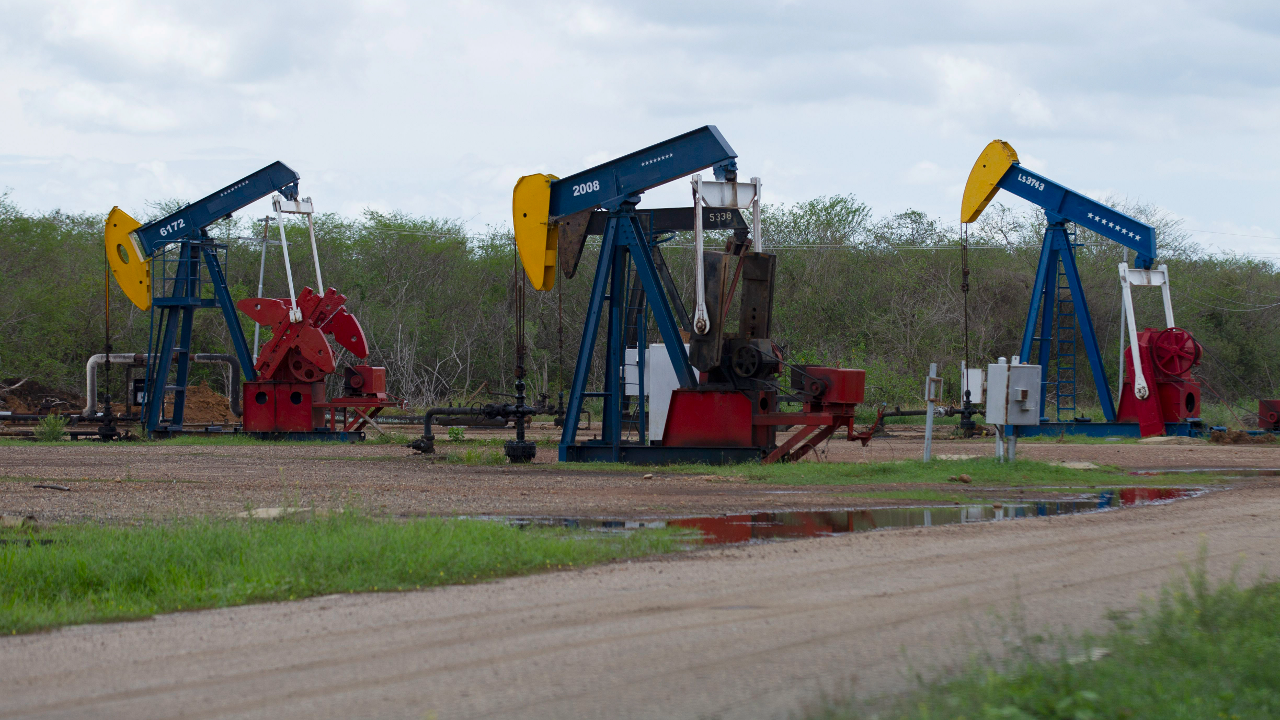
Continental Resources has moved into a fresh and highly watched Venezuelan oil project, tying its future to a massive tract in the Orinoco Belt through a new understanding with PDVSA. The deal points to a larger shift in how global energy companies are looking at Venezuela again, even with all the baggage that comes with sanctions, underinvestment, and years of production collapse.
• Continental Resources reached a new agreement with Venezuela’s state oil company
• The Ayacucho 2 Block sits in the Orinoco Belt and spans roughly 126,000 acres
• The block is estimated to hold about 30 billion barrels of oil
• The company says the project could reshape its long-term growth profile
• Venezuela’s oil sector still faces major technical and financial obstacles
• The country’s huge reserves stand in sharp contrast to its weak output
Under the memorandum of understanding, Continental Resources would operate and develop the Ayacucho 2 Block, one of the biggest resource bets on the table in the country. The company and PDVSA are expected to move toward a long-term production agreement in the coming weeks, which would give the plan a more concrete footing.
The block itself sits north of the Orinoco River in Venezuela’s Anzoategui state and covers about 126,000 acres. Estimates put the oil in place at around 30 billion barrels, and once the long-term agreement is signed, Continental would hold a 100% interest in the project.
That is a huge number by any standard, and Continental is clearly treating it like more than just another foreign venture. The company called Ayacucho 2 one of the most significant resource opportunities in its nearly 60-year history, framing the move as both an international expansion and a major addition to its development pipeline.
The timing also matters. Continental said it took a hard look at Venezuela after the Trump administration urged American energy firms to help rebuild the country’s oil industry, and that review lined up with changes in Venezuela’s hydrocarbon legal framework. Those shifts appear to have created just enough room for a deal that would have seemed unlikely not long ago.
CEO Doug Lawler described the project as a chance to take part in the revival of Venezuela’s energy sector while also supporting broader global markets. Harold Hamm, the company’s founder and chairman emeritus, said the move reflects the kind of bold resource hunting that built the company in the first place.
Continental also sees the deal as a way to bring private capital, technology, technical expertise, and large-scale operating strength into a system that has badly needed all of those things. The company said it plans to keep scanning for other opportunities in Venezuela, while still looking at projects in the U.S. and elsewhere.
Venezuela’s problem is not a lack of oil. The U.S. Energy Information Administration said the country held the world’s largest proven crude reserves in 2023, with about 303 billion barrels, equal to roughly 17% of global reserves.
The gap between reserves and real output is where the story turns harsh. Venezuela produced only 0.8% of the world’s crude in 2023, and its total output of 742,000 barrels per day marked a steep 70% drop from 2013 levels.
Most of the country’s oil is extra-heavy crude from the Orinoco Belt, which is harder to extract and requires more specialized know-how. The EIA noted that international oil companies have the technical skills needed for that kind of work, but sanctions have limited their involvement for years.
That is where companies like Continental see opportunity and risk at the same time. Venezuela still has the kind of resources that can move markets, but the country also carries the scars of weak investment, poor maintenance, and a state oil company that has struggled to keep pace with the size of the challenge.
The EIA also pointed to budget problems at PDVSA, a shortage of qualified technical staff, and a lack of foreign direct investment as major roadblocks. Those issues have kept the sector stuck in a long slowdown, even as the ground underneath it remains packed with oil that much of the world would still love to reach.
