
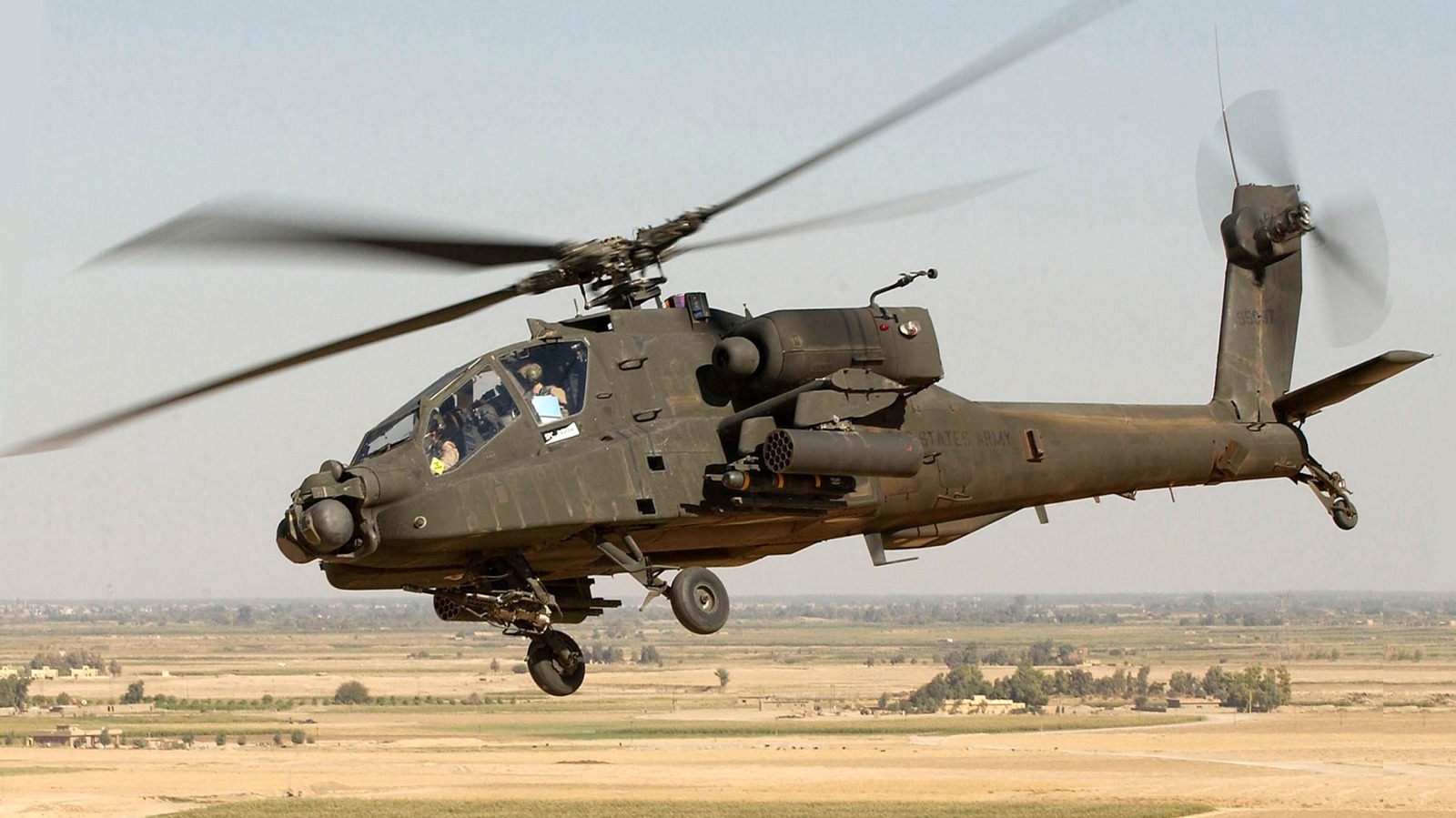
The Marine Corps does not chase the same helicopter lineup as the Army, and that difference makes a lot of sense once the mission gets real. The AH-64 Apache and UH-60 Black Hawk are famous machines, but the Marines have built around aircraft that fit shipboard life, coastal operations, and the hard knocks of littoral combat.
That is the core of the split. The Army’s helicopters are optimized for land warfare, while the Marines need aircraft that can live on ships, tolerate saltwater exposure, and keep working in the tight spaces between sea and shore. When the mission changes, the hardware changes with it.
The Apache is a top-tier attack helicopter, but it was not designed with Marine Corps requirements in mind. The same goes for the Black Hawk, which is a rugged utility aircraft but still better matched to ground-centric Army operations. In Marine hands, both would need serious changes just to fit the environment they would fly in every day.
Instead, the Corps leans on aircraft built for its own style of warfare. The AH-1Z Viper handles the attack role, while the UH-1Y Venom covers utility work. Those two helicopters are not random substitutes, either, because they were developed to work in the same world Marines do, from amphibious ships to rough coastal zones.
The UH-1Y Venom is especially important because it gives the Marines a modern utility helicopter without forcing them to compromise. It is an evolved version of the old Huey family, with a long development effort behind it and enough capability to handle shipboard landings and expeditionary missions. The result is a platform that feels familiar in purpose but much more current in performance.
That matters because Marine aviation is not just about flying from point A to point B. It is about supporting troops who may be moving from sea to land fast, under pressure, and with little warning. A helicopter that can thrive in that environment is worth far more than one that looks impressive on paper but needs extra care to survive the setting.
The AH-1Z Viper follows the same logic. It carries the attack mission for the Corps and does so with a design philosophy tailored to Marine use, not Army doctrine. The Viper’s long history and modern upgrades give the Marines a weapon they can rely on without importing a whole new set of problems.
The appeal of the Apache and Black Hawk is easy to understand, especially because both aircraft are so widely recognized. They show up in combat footage, movies, and military coverage so often that they almost feel universal. But universal is not the same as useful for every branch, and the Marines are proof of that.
There is also the practical issue of maintenance and durability. Aircraft operating near saltwater need extra resilience, and the Corps cannot afford to choose helicopters that make life harder for the people keeping them mission-ready. A platform designed from the start for Marine conditions saves time, money, and headaches.
That is why the Corps keeps its own stable of helicopters instead of borrowing the Army’s favorites. The Marine mission asks for aircraft that can launch from the sea, move with the fleet, and keep pace with fast-moving operations along the coast. The Apache and Black Hawk are excellent machines, just not the right ones for that job.
The Marine Corps is not missing out so much as staying focused. Its helicopters are already built into the way it fights, and that is the real reason the familiar Army birds stay in Army service while the Viper and Venom carry the Marine load. In military aviation, fit matters, and the Corps has decided to stick with what fits.
