
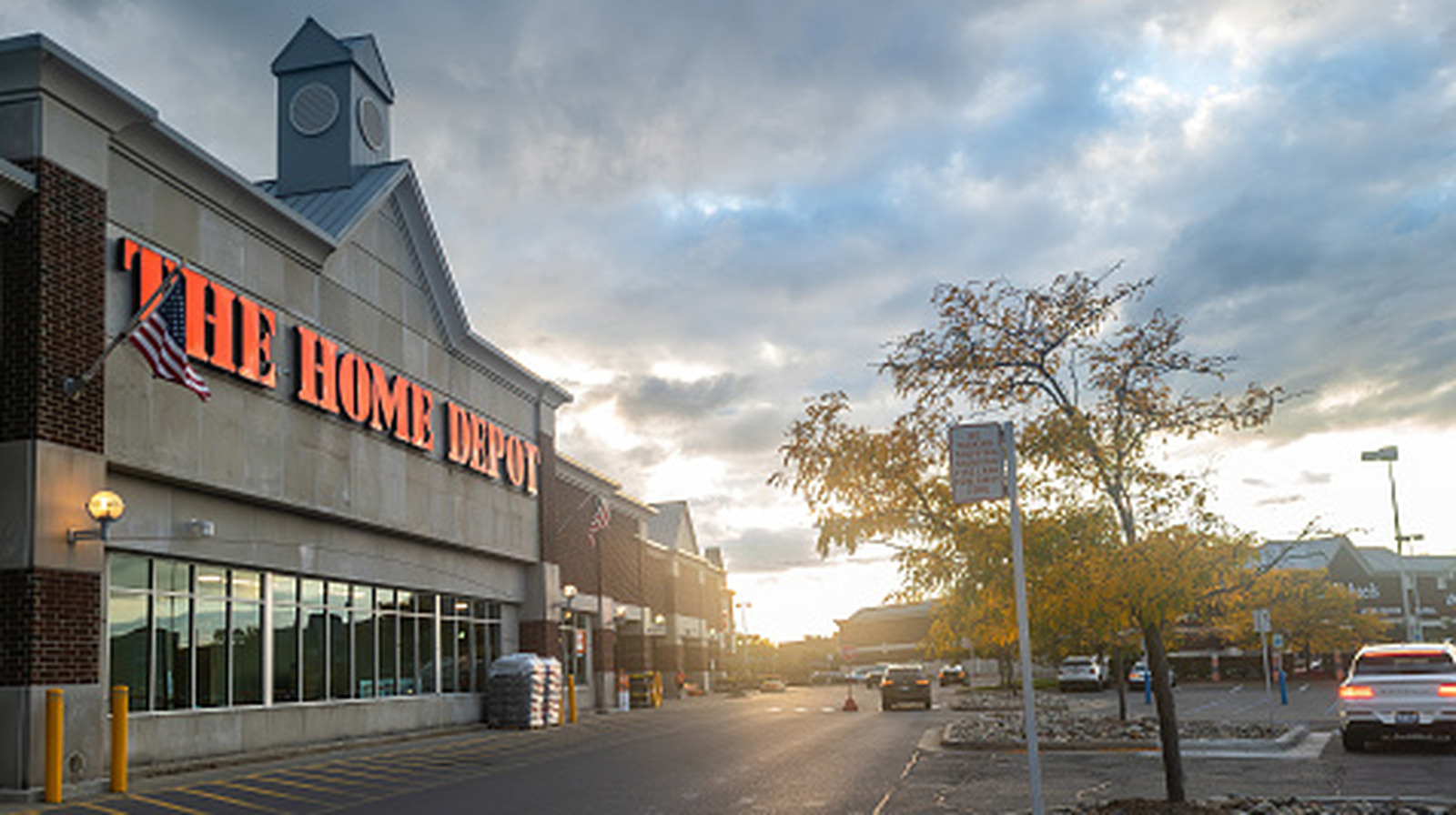
Home Depot and Lowe’s have turned their parking lots into quiet data-gathering zones, and the reason is more practical than dramatic on the surface. Both retailers use Flock Safety cameras, which are built to read license plates and pick up a vehicle’s identifying details as it moves through the lot. That makes the system useful for tracking theft, spotting suspicious vehicles, and helping store security respond faster, but it also means ordinary shoppers are being swept into a much bigger surveillance net.
Home Depot says the cameras are there to detect and prevent theft while protecting customers and workers. The company also says it does not give federal law enforcement direct access to its license plate readers. Even so, reporting has shown that local agencies with access to the system can pass information onward, which blurs the line between a private security tool and a far wider law enforcement pipeline.
Lowe’s takes a similar approach, but the data-sharing picture appears even broader. According to investigative reporting, the company’s Flock data can be shared not only with local police but also with other agencies across state lines. That raises the stakes for anyone who expected a trip to the hardware store to stay just that, because these systems can build a trail around where a car has been and when.
Flock’s pitch is easy to understand. If a retail chain is dealing with organized theft, fraud, or scam-driven losses, more information can mean more arrests and fewer losses. In March 2025, Flock said its cameras helped crack a $20 million gift card laundering scheme tied to Home Depot and Lowe’s, a case that showed how retail surveillance can be used to chase down complex crimes that move fast and leave messy digital footprints.
That same usefulness is exactly what makes privacy advocates nervous. A camera system designed to catch bad actors can just as easily build a searchable record of everyone else’s comings and goings, including people who never broke a rule. Once that data exists, the question shifts from whether it can help stop a crime to who gets to search it, how often it is queried, and whether the people being tracked even know it is happening.
There have already been ugly examples of misuse. Reports have documented police officers using Flock to monitor former partners or romantic interests, and one case in Texas involved investigators using the system to look into a woman who had left the state for an abortion. Those kinds of stories are why some communities have started pushing back hard, with lawsuits, public pressure, and even vandalized cameras showing how bitter the debate has become.
Flock says more than 5,000 law enforcement agencies use its tools, which gives the company a massive footprint across the country. Private businesses are not required to share their data with police, but many do, and once that data is in the system it can ripple much farther than the customer may have expected. Records obtained by the Electronic Frontier Foundation show that one Texas sheriff’s office could access data from more than 170 Lowe’s locations, many outside Texas, along with dozens of Home Depot sites in the state.
The concern goes deeper when federal agencies enter the picture through local partnerships. Home Depot says it does not coordinate with ICE, CBP, or other federal agencies on immigration enforcement, yet reporting has shown ICE has still tapped into Flock-linked data with help from local police. That is why civil liberties groups keep hammering the same point: the real issue is not just whether a store is watching, but who can follow the trail after the fact.
The ACLU has warned that even when local departments try to keep federal agencies out, Flock may still reserve the right to share information. The Institute for Justice has also been tracking alleged abuses and pushing its Plate Privacy Project to force tighter rules and more transparency. For shoppers rolling a cart across the asphalt, the cameras may look like another piece of store security, but the real story is how quickly a parking lot can turn into a searchable map of movement.
