
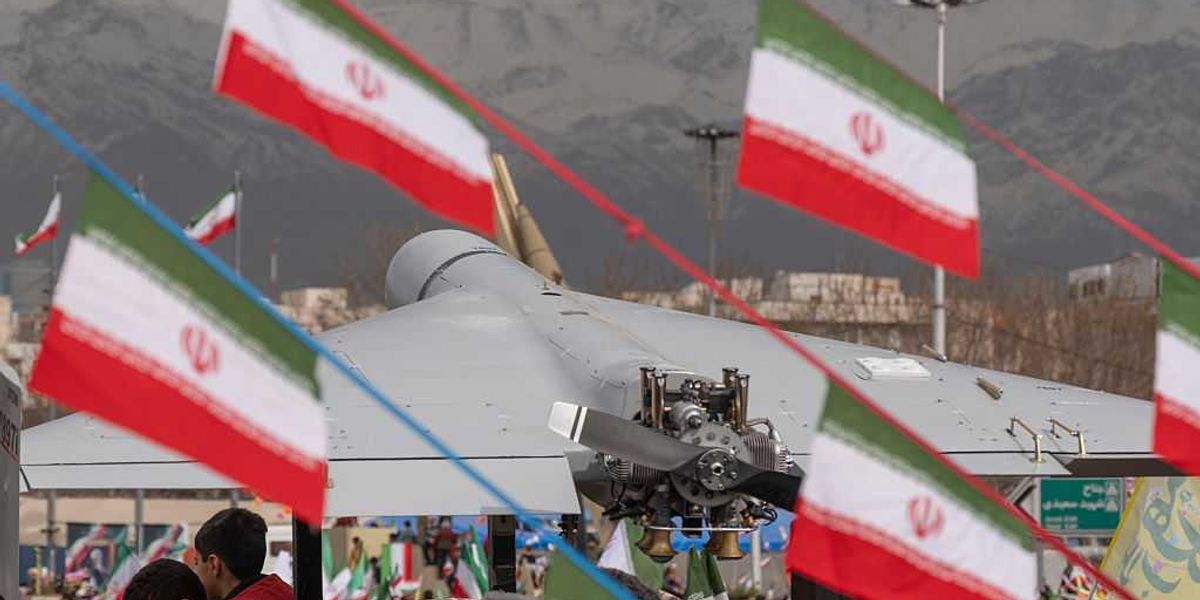
America keeps looking at Iran through the wrong lens, and that mistake carries a real cost. The fight is not only about missiles, drones, or hard power on the battlefield. It is also about who frames the story first, who controls the mood, and who convinces the world what is really happening.
Iran has spent years working the angle that matters most in modern conflict: perception. That means pushing propaganda, shaping outrage, and using every available channel to blur the line between truth and theater. When that pressure lands, it can weaken resolve long before the shooting stops.
This is the kind of battle the United States cannot afford to treat like background noise. The old idea that military strength alone settles everything no longer holds up on its own. In a fast-moving information fight, a weak narrative can do damage almost as surely as a missile strike.
Iran understands how to exploit confusion. It leans on influence campaigns, dramatic messaging, and a steady stream of claims designed to unsettle opponents and energize supporters. That approach works especially well when American politics is noisy, fragmented, and too often distracted by the next cycle of outrage.
The result is a public environment where facts get buried under emotion. Every attack, every warning, and every response becomes part of a larger contest over credibility. If one side can make its version of events feel inevitable, it gains an edge even before the dust clears.
That is why soft power matters so much in this space. It is not soft in the sense of harmless. It is soft because it moves quietly, slipping into media, social platforms, and public debate until it starts shaping assumptions without anyone noticing the hand behind it.
The United States still has enormous advantages, but advantages only matter if they are used with discipline. Clear messaging, quick response, and a better grasp of how adversaries manipulate attention are not optional anymore. They are part of national defense in the same way ships, aircraft, and intelligence are part of national defense.
During Desert Storm, the lesson was simple: control the battlefield and control the pace of events. Today, the battlefield stretches far beyond geography. Tehran can fire off claims, spread fear, and stir confusion at speeds that would have seemed impossible a generation ago.
That gives Iran room to shape the emotional terrain around every clash. If Americans are unsure what is true, what is exaggerated, or what is being staged for effect, confidence starts to crack. And once confidence cracks, the adversary has already won a meaningful round.
The answer is not panic. It is clarity, discipline, and a willingness to treat information warfare as a real front. The side that sees the fight clearly is the side that can keep its footing when the pressure starts to climb.
