
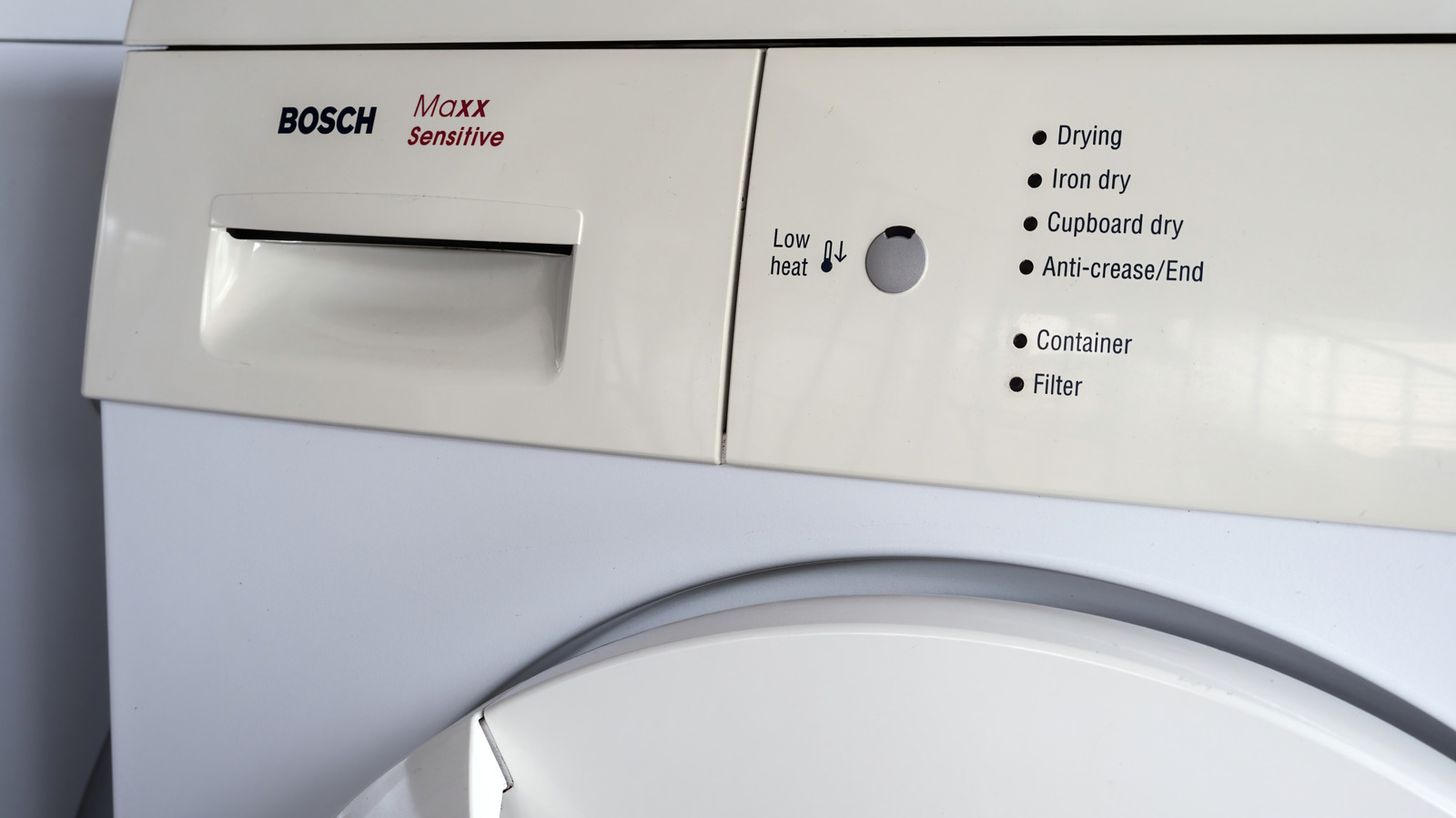
Dryers can be easy to forget about until they start working harder, drying slower, or leaving clothes less fresh than they should. The condenser inside a condenser dryer deserves attention because it helps manage moisture, keeps the machine efficient, and reduces the grime that can build up over time. A little routine care goes a long way here, especially since neglected lint and residue can create real safety and performance problems.
Condenser dryers work by pulling moist air through a heat exchanger, turning that moisture into water that can be collected and emptied. Heat pump dryers use a similar idea but recycle heat more efficiently, while vented dryers send hot air outside through a hose. Different setup, different maintenance, but the common thread is simple enough: airflow matters, and buildup makes everything work harder.
Plenty of owners never get around to cleaning the condenser at all, which is more common than many people think. That kind of neglect usually starts small, then turns into longer drying times, extra energy use, and a machine that sounds like it is straining. Lint may look harmless in the filter, but it does not always stay there, and once it starts drifting deeper into the system, it can cause more trouble than expected.
A good rule of thumb is to clean the condenser about once a month, though heavy use can push that schedule closer together. Households that run loads constantly, especially those dealing with muddy clothes, school uniforms, or sports gear, may need to stay on top of it more often. Frequent upkeep can also help extend the life of the dryer, which is a nice bonus when appliances are not exactly cheap.
Most manuals explain where the condenser lives and how to reach it, but it is often tucked near the bottom of the machine in a removable section. Once it is out, a careful wipe with a damp cloth helps loosen the visible buildup. After that, rinsing it under a faucet or even with a shower head can clear away stubborn residue before it is left to dry completely and reinstalled.
The process is not difficult, but it does reward patience. Forcing parts, skipping the drying step, or rushing the job can create new issues that were never there in the first place. Taking a few minutes to do it properly keeps the condenser from becoming a hidden bottleneck inside the machine.
Vented dryers have their own version of this upkeep, with the hose usually needing attention a few times a year. The exact timing depends on how hard the dryer gets worked, because a quiet household and a busy one are not living the same maintenance reality. More laundry means more lint, more moisture, and more chances for the system to slow down if it is ignored.
The drum and filter deserve care too, since lint does not politely stay in just one place. Even a thin layer inside the machine can affect performance, and larger clumps can put real stress on the system. That is why staying ahead of the mess feels less like a chore and more like basic protection for a machine that gets used all the time.
There is something satisfying about a dryer that runs cleanly, dries evenly, and does not make every load feel like a waiting game. Small maintenance jobs rarely get much glory, yet they often make the biggest difference when it comes to keeping household appliances dependable. The condenser is one of those parts that quietly does its job until it does not, and by then the warning signs are usually impossible to ignore.
