
Poll numbers are turning into a loud warning sign for the White House, and the pressure is coming from two places at once: the Iran war and the squeeze at the pump. Voters are souring fast, gas prices have climbed sharply, and Democrats are already treating both issues like a gift heading into the midterms.
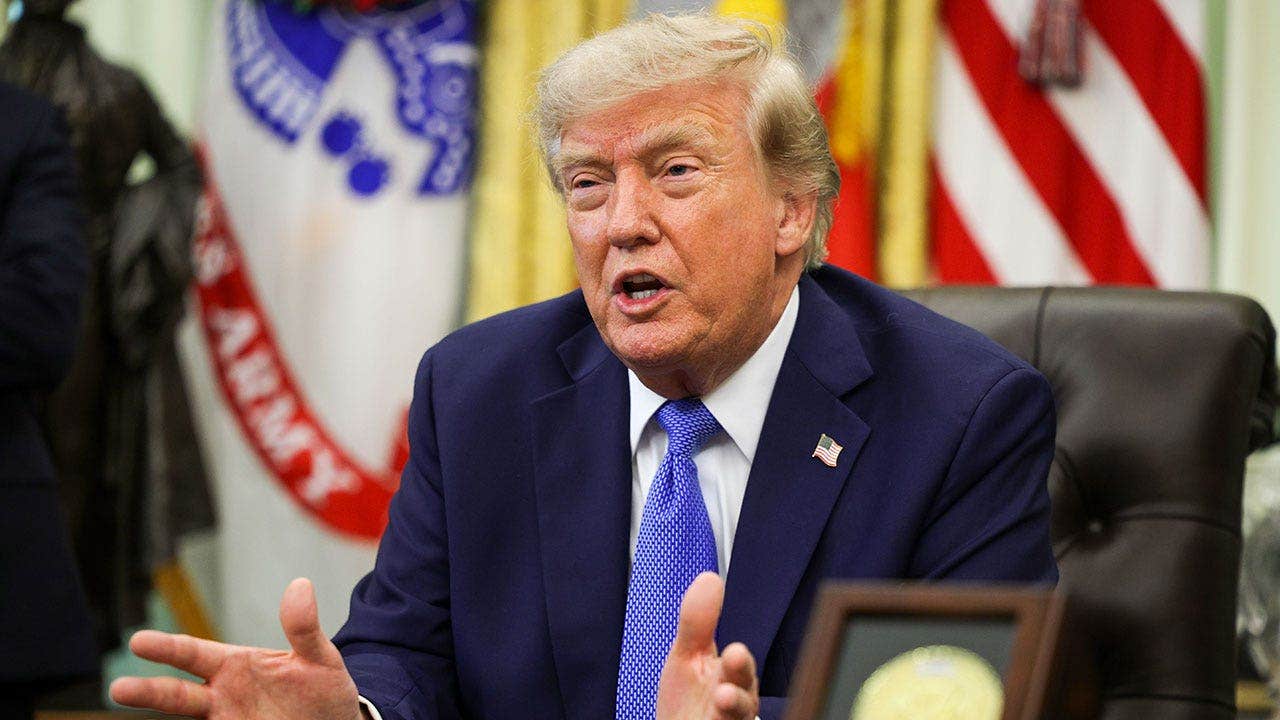
President Donald Trump’s approval rating has fallen to 33 percent in a new Reuters/Ipsos poll, matching the lowest point of his presidency. That is down from 35 percent the previous week, while 64 percent said they disapprove of how he is handling the job. The number matters because it lands just as the fight over the 2026 midterms is starting to sharpen.
The survey, which included 1,166 respondents, shows a president under heavy strain from the same voters who once powered his return to the White House. The latest rating also ties his prior low from December 2017, giving critics a fresh talking point and making the current slump feel familiar in the worst possible way. For Trump, that kind of echo is not just bad optics, it is a reminder that economic frustration can move faster than any message campaign.
Support for the war effort is not helping either. About 80 percent of those polled expect the conflict to drag on for a long stretch, which is a brutal number for any administration trying to project control. The war began in February with the stated goal of knocking out Iran’s nuclear weapons program, but the fight has widened into a bigger geopolitical headache.
The Strait of Hormuz sits at the center of that mess, and it is no small detail. Roughly one fifth of the world’s oil passes through that narrow waterway, so any tension there can ripple straight into American wallets. Once shipping lanes feel shaky, the pain shows up fast in the real world, especially for drivers who do not care about strategy briefings and only notice the final number at the gas station.
That is exactly what has happened. National average gas prices have surged from just under $3 a gallon to just over $4 since the war began, according to AAA data. The jump has become a political headache with no easy fix, because every fill-up turns into a fresh reminder that foreign conflict can hit home in a very ordinary, very annoying way.
Trump addressed the issue at a rally with law enforcement in New York, where he leaned into the idea that the increase was worth it. “Remember that when you have to pay a little bit more, $4, it’s OK,” he said, adding that he did “the right thing,” and saying, “I’ll never apologize.” The line was classic Trump, blunt and defiant, but it also underscored how tough it is to sell sacrifice when people are already feeling stretched.
Inflation has added even more weight to the story. Year-over-year inflation was 2.4 percent in February, according to the Bureau of Labor Statistics, and it is now 3.4 percent. That may not sound dramatic in a vacuum, but in a political year it becomes ammunition, especially when households are already staring at higher fuel costs and tighter budgets.
The White House has pushed back hard against the drag from the polls. Olivia Wales said, “President Trump has signed the largest middle-class tax cuts in history, lowered the cost of prescription drugs, sealed the border, driven violent crime to the lowest level in nearly a century, unleashed an energy revolution and sent Americans’ 401(k)s climbing to record highs,” and then added, “President Trump is cleaning up Joe Biden’s mess, and there is more work to do, but the United States of America has never been stronger.”
Still, the political calendar is not waiting around for anyone. The White House has not said whether there is a target date for ending the war, and that silence leaves room for opponents to fill in the blanks with their own narrative. Democrats are already pressing hard on affordability and the conflict, betting that a sour mood plus higher costs will give them a real opening in November.
That is the real danger for Trump right now, because the numbers are not just hurting his image, they are shaping the whole battlefield. A president can survive bad polls for a while, but when war, inflation, and gas prices all start pulling in the same direction, the political noise gets a lot harder to drown out.
