
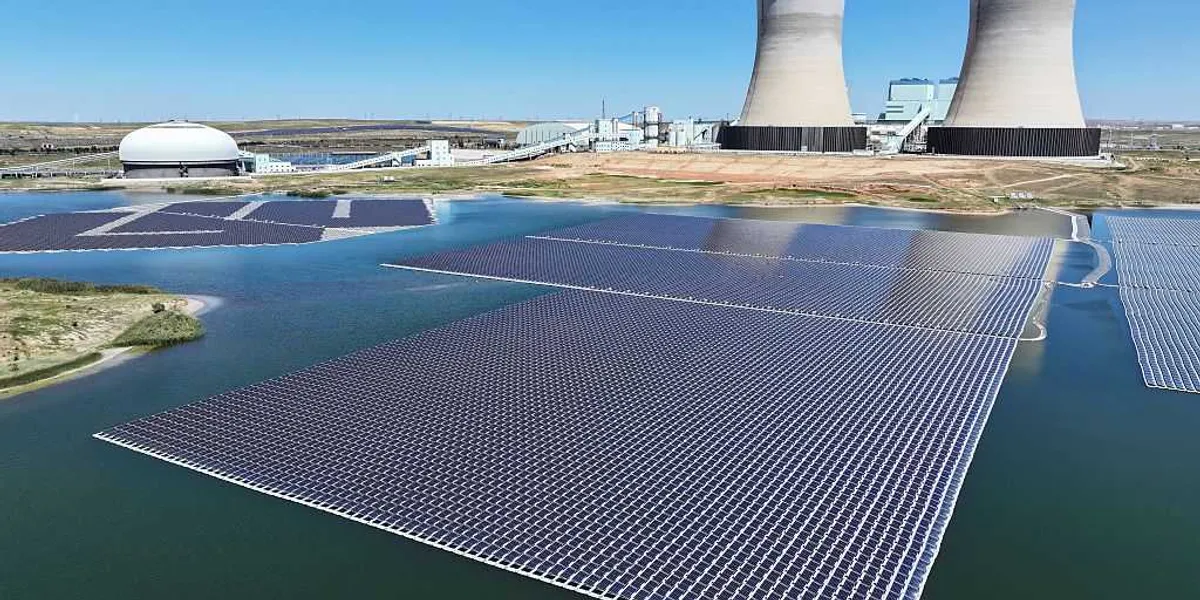
China is moving fast, and the pressure is landing squarely on America’s energy system. The fight now is not just about trade or tech, but about who has enough power, minerals, and muscle to keep the modern economy running without blinking.
AI, data centers, and advanced manufacturing all need enormous amounts of electricity, and that demand is only getting louder. China has made the smart, hard-nosed move of building out energy supply at scale, while the U.S. keeps getting tangled in delays, mixed signals, and endless second-guessing. That gap matters because power is no longer just a utility issue, it is a national security issue.
America cannot run a serious AI race on a shaky grid. Data centers do not care about talking points, they care about megawatts, reliability, and cost, and those needs are colliding with a system that is already stretched. If electricity gets tighter and more expensive, the country starts losing ground before the race even gets interesting.
Natural gas is still one of the clearest answers sitting in plain sight. It is dependable, abundant, and already woven into the energy backbone that keeps homes, factories, and critical infrastructure alive, yet it keeps getting treated like an awkward guest at the policy table. That is a problem, because the U.S. needs more firm power, not less, if it wants to stay competitive.
Solar has a role too, but it cannot carry the whole load by itself. The grid needs sources that show up when the sun is down, the weather turns, or demand spikes without warning, and that means serious thinking about balance instead of slogans. Energy policy gets messy fast when ideology starts pretending it is engineering.
Then there is the mineral side of the story, where China has been far more aggressive than America for years. Rare earth minerals are not a niche concern anymore, because they sit inside the motors, chips, batteries, and defense systems that modern life depends on. If one country controls too much of that supply chain, the rest of the world ends up negotiating from a weak position.
That is where national security stops being abstract and starts looking very concrete. A country that cannot power its data centers, build its hardware, or secure key minerals is exposed in ways that are easy to ignore until the bills come due. The real threat is not just higher prices, it is dependence.
The Department of Energy has a big role here, but it needs to think bigger than press releases and narrow priorities. The country does not need more ceremonial concern about the energy transition, it needs a strategy that treats reliable electricity as a core asset. That means making room for every practical source that can keep the lights on and the economy moving.
Big tech also has skin in the game, whether it wants to admit it or not. The companies racing to build artificial intelligence tools depend on vast amounts of power, and they are going to push harder and harder for secure, scalable supply. If the grid cannot keep up, the bottleneck will not be software talent, it will be electricity.
China understands the value of momentum. It is building, extracting, refining, and planning with a single-minded urgency that should make Washington uncomfortable in the best possible way. The U.S. still has the tools to respond, but only if it stops treating energy like a side issue and starts treating it like the backbone of economic power.
The stakes are bigger than one industry or one election cycle. Whoever controls abundant power, critical minerals, and the infrastructure to support AI will hold a serious advantage in the years ahead, and that reality is getting harder to dodge. America can still lead, but it has to stop hesitating while others keep building.
