
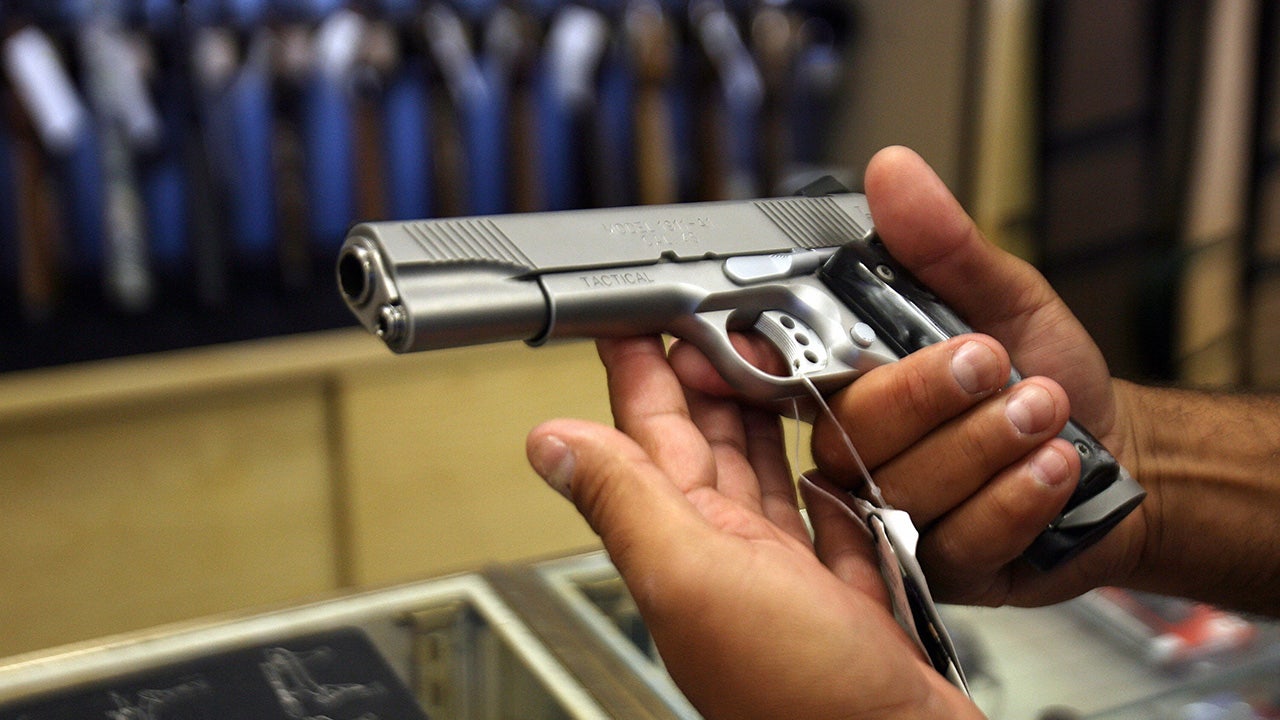
The Los Angeles County Sheriff’s Department has been forced to clean up a concealed carry permit system that left applicants stuck in limbo for months, and in some cases years. After a Justice Department lawsuit put the backlog under a microscope, federal officials say the department has finally moved fast enough to meet California’s deadline and avoid further litigation.
For gun owners, the delay was more than an inconvenience. The DOJ said the agency had been drowning in permit requests while giving too few timely decisions, a problem that collided head-on with the Second Amendment and sparked a rare federal push to defend it. That pressure helped drive one of the biggest turnaround stories in California gun permitting in years.
At the center of the case was a simple but stubborn issue: the law says licensing authorities must act within 90 days, yet applicants were allegedly waiting far longer. According to the DOJ, some people were left in the system for close to three years before seeing any action at all, a pace that made the whole process look broken from the start.
The federal lawsuit, filed after a March 2025 investigation, accused LASD of engaging in a pattern or practice of delay that effectively shut out law-abiding citizens. Prosecutors said the numbers were hard to ignore, with thousands of applications piling up while approvals barely moved. The complaint painted a picture of a department that had let a basic public duty slide until the backlog became impossible to defend.
By the time the case was filed in September 2025, the DOJ said LASD had received 3,982 new concealed carry applications between January 2024 and March 2025. Only two had been approved as of May 2025, while thousands more were still pending or had been withdrawn after the wait dragged on too long. The average delay was about 281 days, and the median stretch was even worse at 372 days.
The department’s fix came with added staff and new processing software, both of which appear to have made a real difference. Federal officials said the sheriff’s office has now brought its timeline in line with state requirements, which allowed the DOJ to shut down the case and call the result a win for residents who were tired of being stalled out.
Assistant Attorney General Harmeet K. Dhillon said the sheriff’s department recognized the problem and invested real resources to solve it. “The sheriff acknowledged the problem and devoted substantial additional resources, including new processing software and additional personnel, to cutting waiting times dramatically,” she said. “We applaud their efforts and are happy to be able to bring this litigation to a successful conclusion!”
The dispute also fits into a wider Republican-backed push to use federal civil rights enforcement against gun-control red tape. Former Attorney General Pam Bondi said when the case was filed, “The Second Amendment protects the fundamental constitutional right of law-abiding citizens to bear arms,” adding, “Los Angeles County may not like that right, but the Constitution does not allow them to infringe upon it.”
That stance lines up with a broader strategy from the Trump administration, which has leaned on the DOJ to challenge state and local rules that slow down lawful gun ownership. The new Second Amendment Section inside the Civil Rights Division has been busy taking complaints, opening investigations, and pushing back where officials believe local governments are crossing the line.
The settlement also leaves LASD with procedures meant to keep future applications moving under objective standards rather than bureaucratic guesswork. Federal officials said the county’s permitting system will continue to be monitored through those rules, especially after the agency was accused of forcing some applicants to abandon the process altogether.
The case did not happen in a vacuum either. It came alongside other litigation over concealed carry restrictions and other gun laws in places like California, Illinois, and Denver, showing how much of the fight now hinges on whether governments can make the right to bear arms function in the real world, not just on paper.
California’s own law still says licensing authorities must give an initial approval or denial within 90 days, which makes the earlier backlog look even more glaring. The DOJ said complaints kept coming in as residents waited and waited, while the state’s permit system seemed to lose sight of the clock entirely. That kind of delay can turn a constitutional right into a dead end if no one steps in.
Federal prosecutors argued the waiting game was not a harmless paperwork problem but a barrier with real consequences. When people are stuck for months just to get a basic answer, the process itself becomes the punishment, and that is exactly what drew the DOJ into the fight. The department now says it will keep hearing from gun owners who believe their rights are being blocked by state or local officials.

