
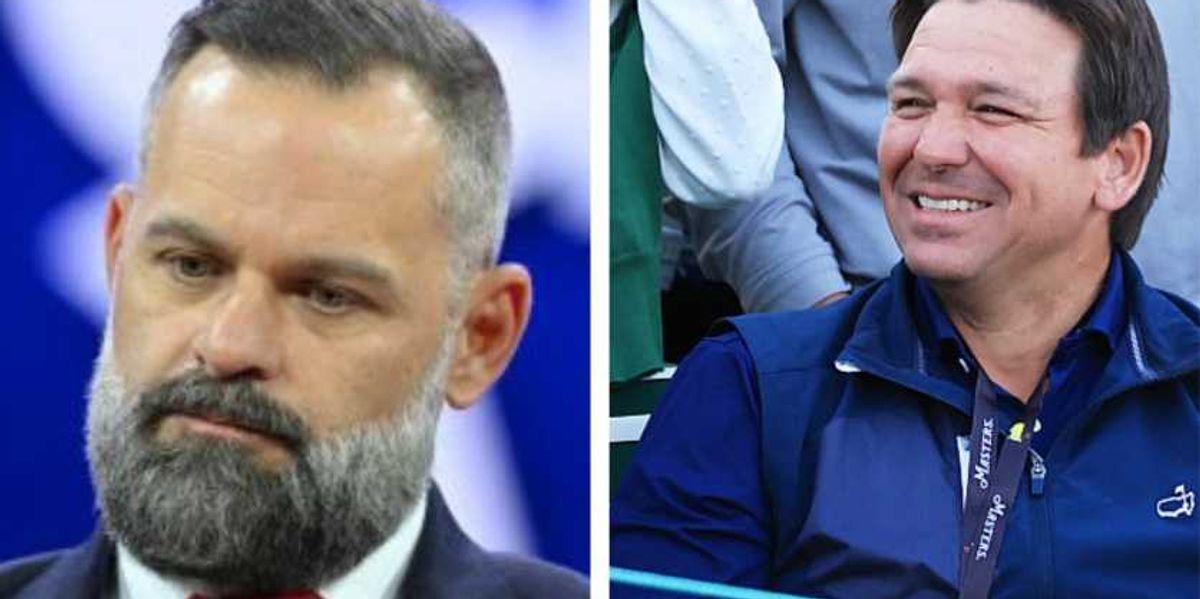
Rep. Cory Mills is headed into a rough stretch, and the warning signs are getting louder by the day. The Florida Republican has found himself in a messy political spot, with old allies cooling off, fresh rivals sensing blood in the water, and a primary fight that could turn ugly fast.
For a lawmaker who once looked like he had the kind of backing that can steady almost any storm, the mood around him has shifted. In politics, nothing lasts forever, and when the temperature drops inside your own party, the pressure gets very real.
The trouble is not just about one bad week or one stray headline. It is about the way support can quietly weaken when a candidate stops looking like a safe bet. That is especially dangerous in a place like Florida, where ambition runs hot and loyalty often comes with an expiration date.
Mills now faces the kind of challenge that makes every move matter. A primary battle does not just test money and organization, it tests whether the people who once smiled for the cameras still want to stand next to you when the fight gets serious.
That is where the shift in relationships starts to sting. Political backing is never purely about friendship, but in practice the two are often tangled together, and once the political weather turns, the personal bonds can look a lot thinner than they once did.
Florida politics also has a habit of rewarding confidence and punishing hesitation. Figures who project strength can build a following fast, but when that image cracks, opponents move in quickly and the whole scene can change before a campaign has time to reset.
Ron DeSantis remains one of the biggest forces in the state, and any move in that orbit tends to ripple outward. Donald Trump still carries enormous weight with Republican voters too, which means anyone trying to survive a primary has to navigate not just local frustration but a larger party landscape that can shift in a heartbeat.
That broader backdrop makes Mills’ situation even trickier. A candidate does not have to lose every ally to be in trouble, only enough of the right ones to make donors, activists, and political insiders start wondering whether the safer bet is someone else.
Primary races can get personal in a hurry, and this one already has the ingredients for a bare-knuckled stretch. Once that happens, every endorsement matters, every silent observer starts counting, and every sign of hesitation gets read as weakness.
The real danger is not just the loss of a few warm handshakes. It is the way momentum can drain out of a campaign when the crowd that once looked loyal starts acting like it is waiting for the next name to emerge.
That leaves Mills in a position where confidence alone will not carry the day. In a state known for hard-edged politics and quick turns, the coming primary could decide whether he regains his footing or gets caught in a very public slide.
