
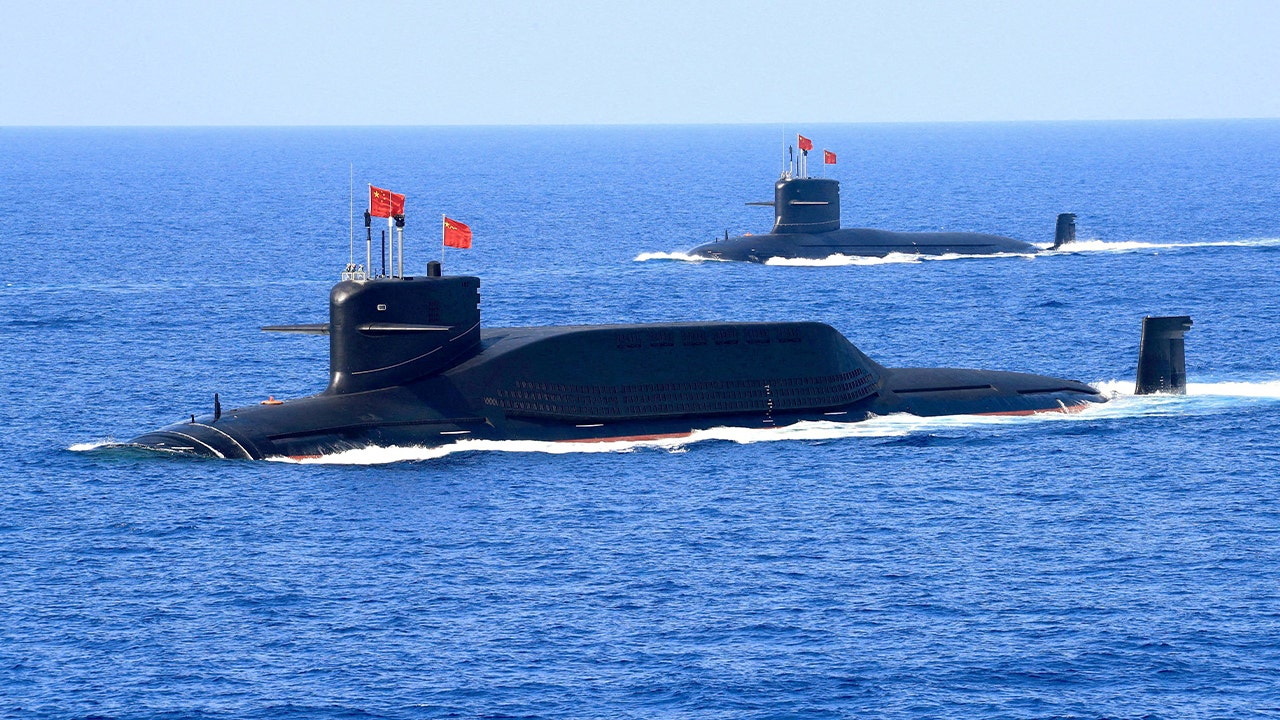
Russia and China are tightening the screws on the U.S. military in a way that is getting harder to ignore, especially around Taiwan. The concern is not just politics or posturing, but the slow build of a partnership that could chip away at America’s edge under the sea, where stealth and detection matter more than slogans.
Retired Rear Adm. Mark Montgomery says Moscow may be handing Beijing technology that helps Chinese submarines stay quieter and harder to track. That kind of help would hit right at a core U.S. advantage, because undersea warfare has long depended on being able to hear, find, and follow enemy boats before they become a problem.
Montgomery described the reported transfer as a serious deal, saying Russia is giving China “incredibly important technology.” He warned that even a small weakening of American undersea superiority would matter a lot, because once that edge starts slipping, it gets expensive and dangerous to win it back.
China has pushed hard to improve its submarine fleet, but it has still had trouble with propulsion and acoustic quieting. If Russian know-how is getting folded into that effort, Beijing could narrow the gap faster than the U.S. would like, especially in a Taiwan scenario where submarine hunting could become a make-or-break mission.
The stakes get even sharper because the U.S. Navy leans on stealthy submarines as a major part of its Indo-Pacific strategy. Quiet Chinese boats would make it tougher for American forces to locate threats, which means the margin for error shrinks fast in a crisis.
Beijing has not directly confirmed that it received Russian submarine-quieting technology, and its embassy responded by framing the relationship as peaceful and non-threatening. The statement insisted that China-Russia military cooperation is meant to support sovereignty, regional stability, and a fair reading of their ties, while also calling Taiwan an internal matter.
That public line does little to calm the broader worry, because the military relationship between the two powers has been moving in a very practical direction. China has helped keep Russia’s war effort alive with machine tools, legacy chips, investment, trade, and other support that helps Moscow keep its industrial base moving.
At the same time, Russia appears to be returning the favor in areas where it still has an edge. U.S. officials and analysts have pointed to the possibility of Russian help on submarine quieting, along with other military cooperation that could help China’s forces close capability gaps faster than they otherwise could.
Adm. Samuel Paparo, who leads U.S. Indo-Pacific Command, previously warned that China may be getting “potentially submarine quieting help” from Russia. He also described the relationship as a “transactional symbiosis,” which is a fancy way of saying each side is handing over what the other side wants most.
That exchange is not limited to submarines. Russia has also benefited from Chinese support tied to its war in Ukraine, while reports have linked Russian firms to drone production coordinated through Chinese factories using Chinese-made parts, showing just how wide the cooperation now reaches.
There is also a bigger strategic picture here. Russia’s war in Ukraine has dragged on, Moscow has become more dependent on Chinese support, and Beijing has been able to watch, learn, and benefit from Russia’s battlefield experience at the same time.
For Taiwan, that is where the alarms get loudest. American planners know submarines are central to any serious fight in the Indo-Pacific, and if China gets better at hiding its own boats, the pressure on U.S. forces goes way up. In plain terms, a quieter Chinese fleet makes deterrence harder and a future crisis more volatile.
Montgomery’s warning fits a pattern that has been building for months, not a one-off headline. The U.S. is facing two rivals that are no longer operating in separate lanes, and every new transfer of military know-how makes the challenge more complicated for Washington and its allies in the Pacific.
