
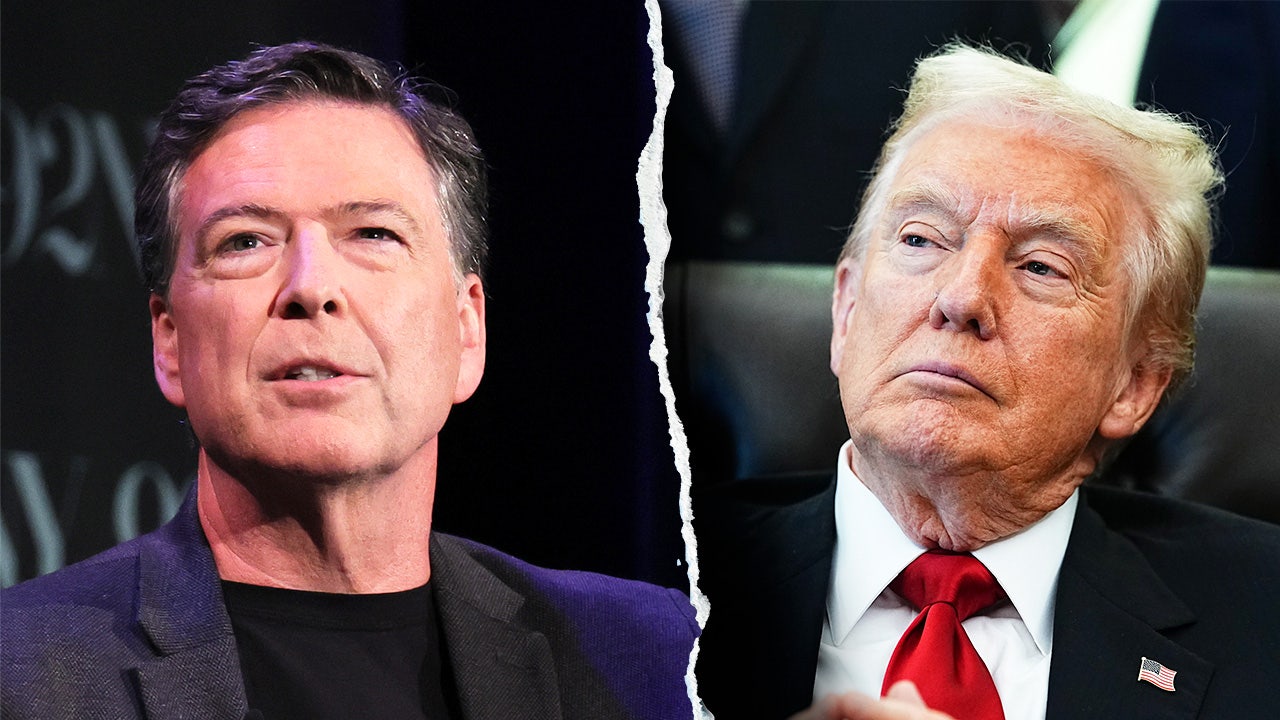
The newly declassified FBI memos put a sharp spotlight back on the Trump-Russia saga, showing that the bureau opened a secret counterintelligence probe in 2017 after James Comey was fired. The documents suggest investigators were not just looking at the firing itself, but at whether Donald Trump could have been tied to Russian influence in a way that raised national security concerns. That kind of allegation is explosive on its face, and the memos show just how far the inquiry reached.
According to the release, the case was opened under the odd code name “Oxferd Comma” after Comey was removed in May 2017. The misspelling of “Oxford” stands out, but the real issue is what the bureau thought it was chasing. The documents say the investigation was sparked by concern over whether Trump himself might be a Russian asset, a claim that instantly pushed the matter into high-stakes territory.
The FBI memo dated May 16, 2017, laid out the scope in blunt terms, saying investigators wanted to determine whether Trump was “directed by, controlled by, and/or coordinated activities with, the Russian Federation in a manner constituting a threat to the national security of the United States and/or a violation of federal criminal statutes,”. It also said the probe would examine whether Trump or others tried to obstruct, or conspired to obstruct, any related FBI work. That is not casual language, and it shows the bureau was treating the situation as a serious threat assessment from the start.
Comey’s role in the broader Trump-Russia story keeps hanging over all of this. He had already overseen the launch of “Crossfire Hurricane” in 2016 after information surfaced involving Trump campaign adviser George Papadopoulos and possible Russian dirt on Hillary Clinton. At the same time, Comey was leading the separate Clinton email investigation, which made him one of the most central and controversial figures in the entire political storm.
That Clinton probe became its own flashpoint when Comey sent a letter to Congress days before the 2016 election saying the FBI had found emails that “appear to be pertinent.” Trump later fired Comey after taking office, and the White House initially pointed to Comey’s handling of the Clinton case as the reason. The timing of the firing, and the reaction to it, clearly helped set the stage for the later counterintelligence move.
A week after Comey was ousted, Deputy Attorney General Rod Rosenstein appointed Robert Mueller as special counsel to take over and expand the Russia inquiry. Mueller’s report later concluded in April 2019 that Russia tried to influence the election through social media manipulation and hacking, but it did not establish criminal coordination between the Trump campaign and the Russian government. That distinction mattered then, and it still matters now, because it separates proven foreign interference from the more sensational claims that swirled around Trump.
After Mueller’s work was nearing the finish line, the “Oxferd Comma” memos were closed out on April 9, 2019. The story did not end there, though, because Attorney General William Barr later tapped John Durham to review how the whole FBI Russia investigation started in the first place. Durham’s 2023 findings said the bureau lacked enough factual basis to launch the full Crossfire Hurricane probe and strayed from normal standards, which only deepened the questions around how the entire operation got rolling.
Now those newly released memos have dragged the old fight back into the open, with fresh focus on how much the FBI was willing to assume before it had hard proof. The material reads like a window into a federal machine that was moving fast, making aggressive judgments, and treating politics, intelligence, and criminal suspicion as tightly wrapped together. With Trump still at the center of the story and Comey still tied to every major turn, the documents make clear that the old Russia fight is far from a dusty chapter in the past.

2 Comments
Have agents been fired from FBI or relocated
Why are liberal democ-rats so against OUR CONSTITUTIONAL VALUES and want to turn this Nation into another socialist run country? Just look at those who are running under the democ-rat ticket and some are Muslim Brotherhood affiliates that promote religious Islamic dogma? Are WE the AMERICAN PUBLIC so disillusioned with OUR way of life that they want to be controled by these evil persons?