
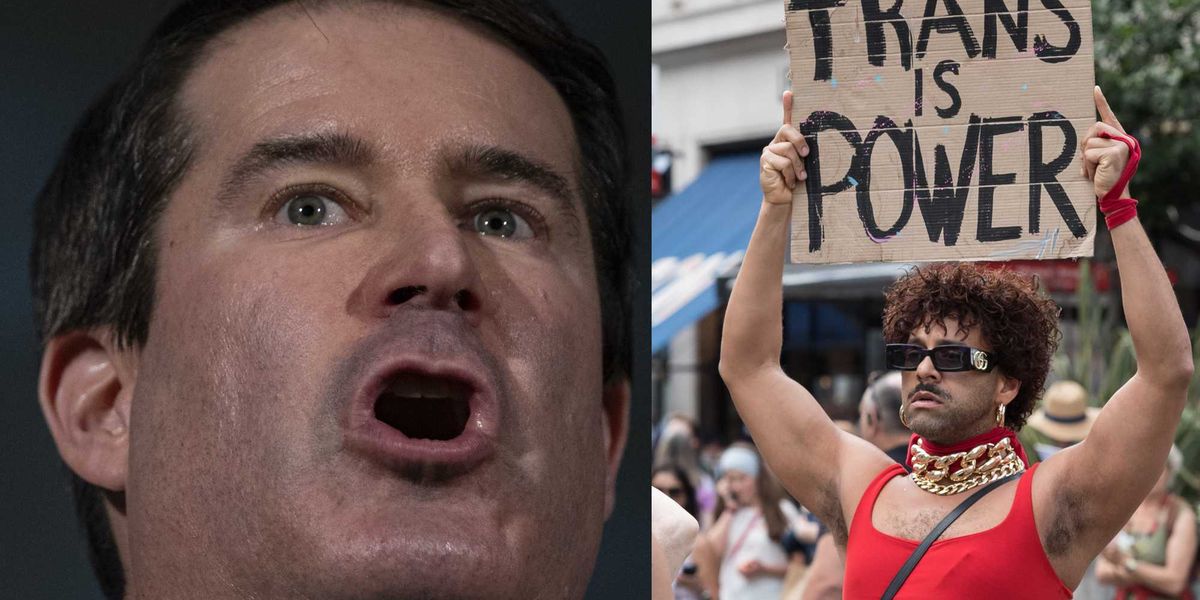
Democrats are feeling the squeeze on transgender issues, and the tension is showing in plain sight. A growing number of party figures are trying to soften their image on the subject after years of loud activism, but that kind of pivot comes with real political baggage. The fight is now less about slogans and more about whether the party can keep its base happy without driving away the voters it needs in 2026.
That pressure is not coming out of nowhere. Some Democrats have already warned that the party’s tone on transgender politics can sound out of touch to average Americans, especially when the debate gets tied to schools, sports, and culture war politics. Even so, the activist side of the party keeps pushing hard, leaving elected officials stuck between caution and commitment.
The result is a messy public split. On one side are lawmakers who want to sound measured and avoid taking a hard edge on transgender questions. On the other side are the loud advocates who treat any hesitation like betrayal, and that’s where the real headache begins for Democrats trying to survive a tough election cycle.
One of the sharper examples has involved lawmakers who seemed to recognize the danger of overplaying the issue, then quickly backed into safer territory once the pressure hit. That kind of reversal has become familiar in modern politics, where a single speech can signal moderation one day and invite backlash the next. For Democrats, the whiplash matters because voters tend to notice when a party looks unsure of itself.
Midterm elections have a way of stripping away the noise. Voters are usually less interested in activist language and more interested in whether politicians seem grounded, honest, and willing to face uncomfortable questions. When party leaders appear to be drifting with the loudest voices in the room, it can make them look less like they are leading and more like they are being dragged around.
That is especially dangerous when the issue touches on fairness, parental concerns, and common sense. Republicans have been able to use those worries to argue that Democrats are catering to a narrow set of activists while ignoring the broader public. Even voters who do not follow politics closely can sense when a party is talking past them instead of speaking clearly.
The debate has also put the Democratic establishment in a tough spot. Big-city progressives often want a full-throttle defense of transgender activism, while more cautious Democrats know that language can turn off swing voters fast. That split makes it harder to build a unified message, and without one, the party can wind up looking fractured and reactive.
There is also a bigger political lesson here. When a party builds too much of its identity around a handful of highly charged social issues, it risks losing touch with the everyday concerns that decide elections. Inflation, crime, schools, and border security still dominate a lot of kitchen-table conversations, and voters usually punish politicians who seem more obsessed with symbolic fights than real-world problems.
For Republicans, this creates an opening that is hard to miss. They can point to Democratic confusion on transgender issues as proof that the party has let activists set the agenda. That message lands because it connects with a broader frustration many Americans already feel about elites, institutions, and the gap between political fashion and public opinion.
Democrats may try to smooth things over as the campaign season gets louder, but the basic problem does not go away just because the messaging gets softer. Once voters think a party is bending to pressure instead of standing for anything clear, trust gets harder to rebuild. And when that doubt starts spreading, every awkward comment and every sudden retreat only makes the hole deeper.
