
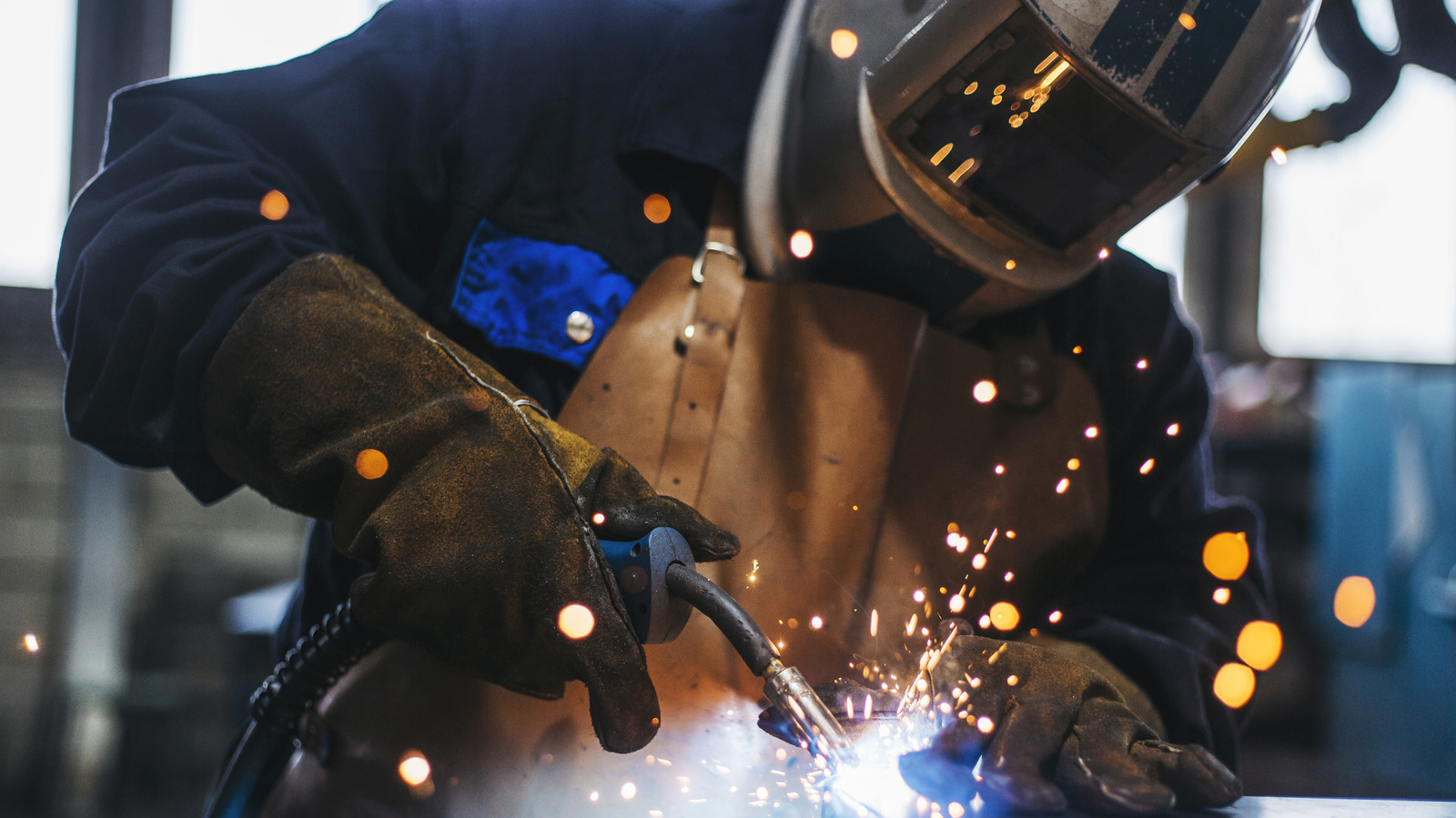
Hot work comes with a simple but serious safety idea: keep anything that can burn well away from flames, sparks, and heat. That is where the 35-foot rule comes in, and it matters because welding, cutting, and similar tasks can turn a small mistake into a fast-moving fire. The rule, fire watch duties, and basic site controls all work together to keep people and property out of trouble.
In practice, the 35-foot rule means combustible materials, equipment, and other ignition risks should be kept at least 35 feet from the hot work area. That distance gives crews a real buffer against sparks that can jump, drift, or land in places nobody expected. OSHA treats that space as a major line of defense, especially when combustible material is present in construction or similar settings.
This is not just a paperwork rule or some dusty technical detail. Hot work has a long track record of causing structural fires, and those incidents can spread quickly once embers find the right target. The National Fire Protection Association has pointed to thousands of hot work related fires in recent years, along with deaths tied to those events, which is exactly why the precautions are taken so seriously.
A hot work permit is usually part of the process before the torch is even lit or the welder strikes an arc. That permit helps define the job, the hazards, and the protections needed for the specific site. It pushes crews to think ahead, identify risks, and make sure the work is being done under controlled conditions instead of winging it.
That protection also includes personal protective equipment, good ventilation, and a careful sweep for hazards nearby. Loose wires, flammable debris, and hidden ignition sources can all create trouble if they are ignored. When crews cannot fully clear the area, they have to rely on approved barriers and other safeguards to keep the danger under control.
Sometimes the 35-foot rule cannot be followed exactly because the worksite is tight or the equipment is fixed in place. In those cases, the answer is not to shrug and hope for the best, but to switch to other safeguards that reduce the hazard. Welding curtains, welding blankets, welding pads, or other approved coverings can help shield nearby combustibles when distance alone is not enough.
Fire Watch is another big part of the picture, and it is not just someone standing nearby doing nothing. A Fire Watch monitors the hot work as it happens, stays alert for stray sparks, and can move fast if something starts to smolder. If the setup is unsafe or no longer compliant, that person can stop the work before the problem gets bigger.
The need for a Fire Watch does not end the second the sparks stop. Hot work can leave behind embers that seem harmless at first but flare up later when everyone thinks the area is clear. That is why the watch often continues for at least an hour after the job is finished, giving hidden heat time to show itself before it becomes a real fire.
What makes the 35-foot rule so useful is that it gives crews a straightforward standard to organize the space around hot work. It is not meant to replace judgment, and it is not the only precaution that matters, but it creates a clear starting point for safe planning. When teams respect that buffer, use proper permits, and stay sharp about fire watch and protective barriers, hot work becomes a lot less dangerous for everyone around it.
