
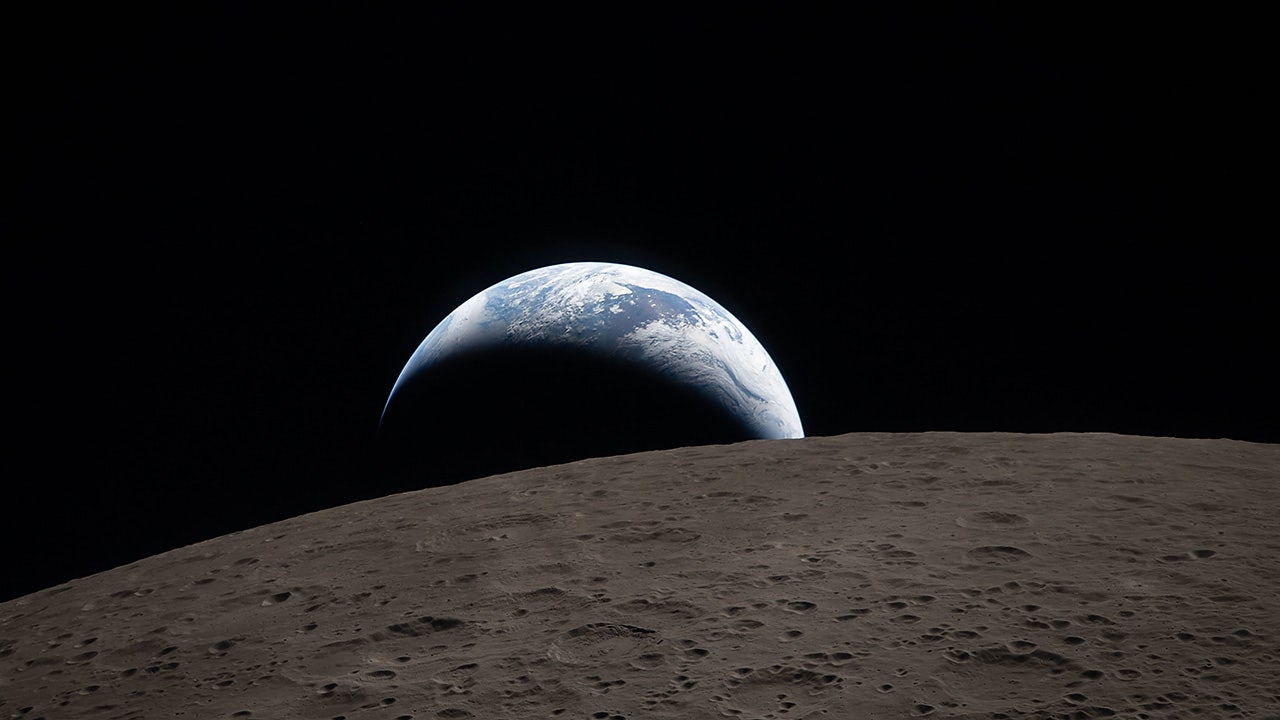
NASA’s 68th anniversary is a good excuse to look up and get serious about what comes next. The agency has carried America from the first shaky steps of Mercury to Apollo, the shuttle era, and now Artemis, and the big question is whether the United States will keep setting the pace on the moon, Mars, and deeper space. The answer matters for pride, power, science, and who gets to write the rules of the next space age.
For decades, NASA has stood for more than launches and white suits. It has been proof that when America commits to a hard goal, the country can do what once looked impossible, and usually do it first. That spirit is back in focus as space becomes a real competition again, not just a symbol of past glory.
China is moving fast, and it is not hiding what it wants. Beijing is pouring money into lunar missions, satellite systems, and space tools that can serve both civilian and military goals, which means the stakes go far beyond planting a flag. Whoever builds the infrastructure in space will have a hand in shaping commerce, security, and influence for years to come.
That is why the United States cannot get comfortable. If America sits back, other nations will fill the gap, and once they do, catching up gets a lot harder than leading from the front. Space is not some distant side project anymore, it is where future advantage will be won or lost.
Congress has a role here, and it should be using it. The NASA Reauthorization Act of 2026 keeps the focus on human exploration, supports the Artemis effort, and pushes the moon-to-Mars pathway that gives the country a practical way to go farther. It also recognizes something easy to miss in all the rocket talk: America needs a deeper bench of engineers, technicians, and skilled workers if it wants to stay on top.
The moon is not just a destination, either. It is a proving ground for long missions, a base for learning how to live and work farther from Earth, and a place where technologies for deep-space travel can be tested under real conditions. It could also open the door to resource development that supports future industries, including advanced computing and other technologies that will need steady supplies and serious infrastructure.
That is where national security comes in loud and clear. Satellites power communications, navigation, and battlefield awareness, and those systems are now woven into modern military life from top to bottom. If space assets are threatened, everything from secure messaging to precision operations gets shakier, which is why protecting them has to be treated as a core mission, not an afterthought.
America has been here before in other forms. The country has always done best when it invests boldly, trusts science, and refuses to settle for second place just because the task is difficult. That is the same mindset that sent astronauts to the moon and turned space into a place where American know-how could shine for the whole world to see.
There is also a bigger cultural point hiding inside all this. NASA still inspires people because it reminds them that curiosity and grit can still move mountains, or in this case, travel beyond them. Young Americans looking at the moon tonight should be able to see more than a bright object in the sky, because it can also be a destination, a laboratory, and a test of whether the country still has the nerve to aim high.
The future will not wait around for anyone to get comfortable. If the United States wants the next chapter of space exploration to reflect American values, it has to keep building, keep launching, and keep leading. The moon, Mars, and whatever comes after are not going to be claimed by hesitation, and the country that reaches first will shape what happens next.
