
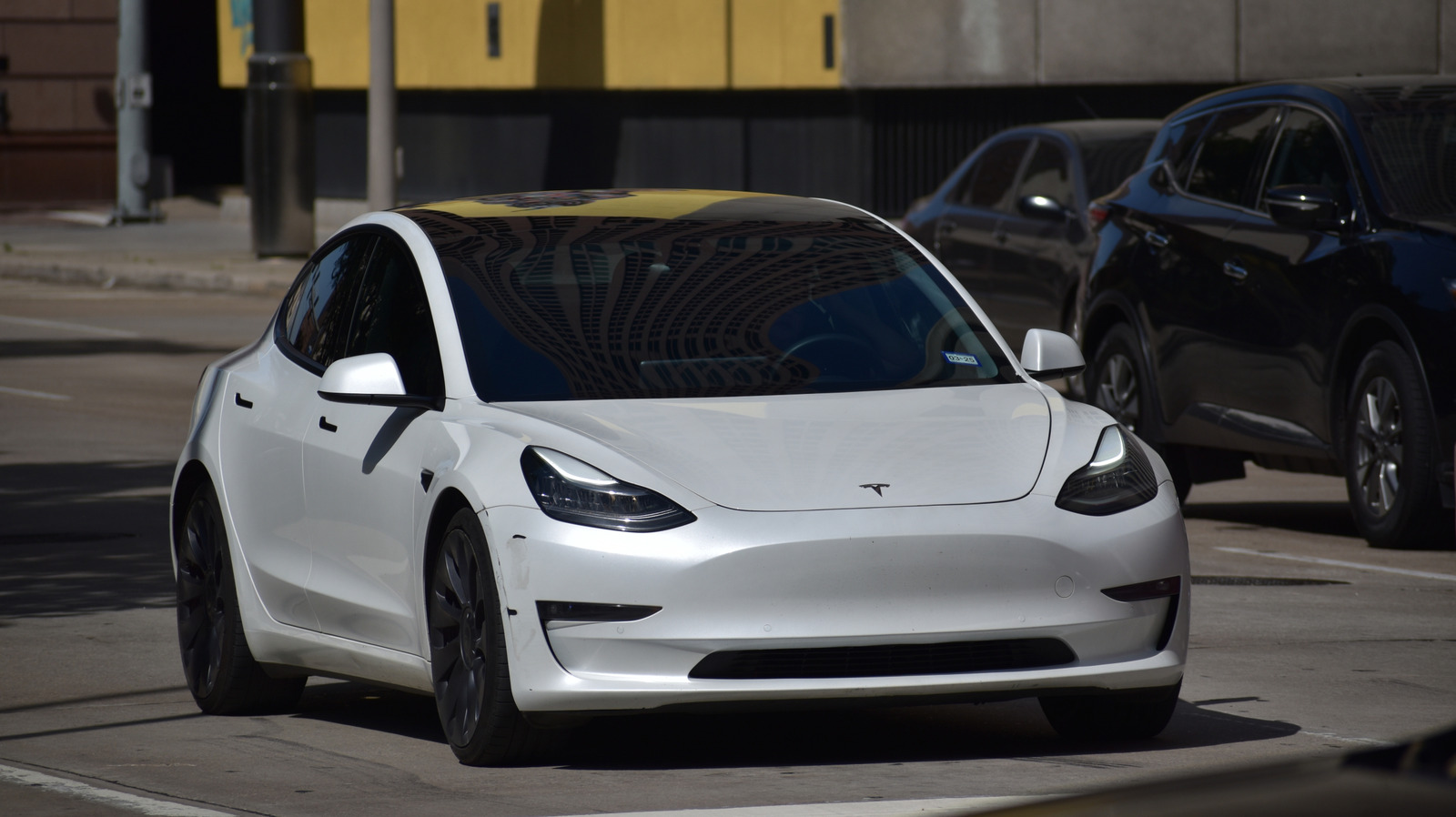
A former Tesla manager is taking the company to court, saying the pressure behind its Full Self-Driving testing in Houston went way past the line. At the center of the case is Javier Medrano, who says he was left in charge of an overloaded autonomous fleet, pushed to the brink, and eventually punished after speaking up about safety problems. The lawsuit paints a picture of a testing program moving fast while basic oversight was slipping through the cracks.
Medrano says he was overseeing 38 vehicles around the clock across three shifts, even though Tesla’s own safety ratio called for far more supervision. According to the complaint, that left him with a 38:1 operator-to-manager setup that he describes as highly dangerous, and it forced him into marathon workweeks that could stretch to 80 hours. He alleges the workload got so intense that he stopped eating and sleeping normally, while requests for help and time off were brushed aside.
The lawsuit says Tesla did not fix the staffing problem. Instead, Medrano claims he was hit with a performance ultimatum after raising alarms about severe safety oversight defects, which he says were already putting drivers and the public at risk. The whole thing took a sharp turn, he says, when the company failed to add enough support and kept the testing program moving anyway.
That strain allegedly helped lead to a crash. Medrano blames defective public-road safety protocols and extreme understaffing for the collision, and he says he kept warning Tesla about the danger even as he was working while exhausted. He also says a second crash followed, this time involving another driver, and that he was so sleep-deprived he could not remember a related call with the operator.
What makes the case sting even more is what happened next. The lawsuit says a lower-ranking staffer was promoted into Medrano’s role in April 2025, then Medrano was fired the following month and a promised stock award was taken back. Two team leads were later shifted from Dallas to Houston, which only adds to the argument that the original setup was too thin from the start.
Medrano is asking for his job back, along with back pay, front pay, lost benefits, the stock award he says was promised, and compensation for emotional and financial harm. A pre-trial conference is set for November 19, 2026, and that date now sits over a case that could put Tesla’s internal safety culture under an even brighter spotlight.
The broader issue reaches beyond one manager or one city. Tesla has already been dealing with legal headaches tied to EV range claims, workplace discrimination, promotional disputes, and other fights that keep piling up around the company. Each new complaint adds to the same uneasy question people keep asking: how ready is Full Self-Driving, really, when the testing itself is drawing this much heat?
That question has only gotten louder as regulators look harder at Tesla’s system. In March 2026, the National Highway Traffic Safety Administration expanded its probe into 3.2 million vehicles with Full Self-Driving after concerns about detection failures in certain settings, and those worries have already been tied to multiple crashes, including one fatal wreck. Tesla’s camera-only approach keeps drawing scrutiny too, especially when compared with systems that use lidar and other tools to catch problems sooner.
Elon Musk has also been forced to acknowledge limits that clash with years of bold talk. In an April 2026 earnings call, he said vehicles equipped with the Hardware 3 computer will never be autonomous, despite the long-running promise that they would be able to get there. California also pressed Tesla in 2025 to stop using the term self-driving, which makes the whole robotaxi pitch feel a lot less polished than the company would like.
