
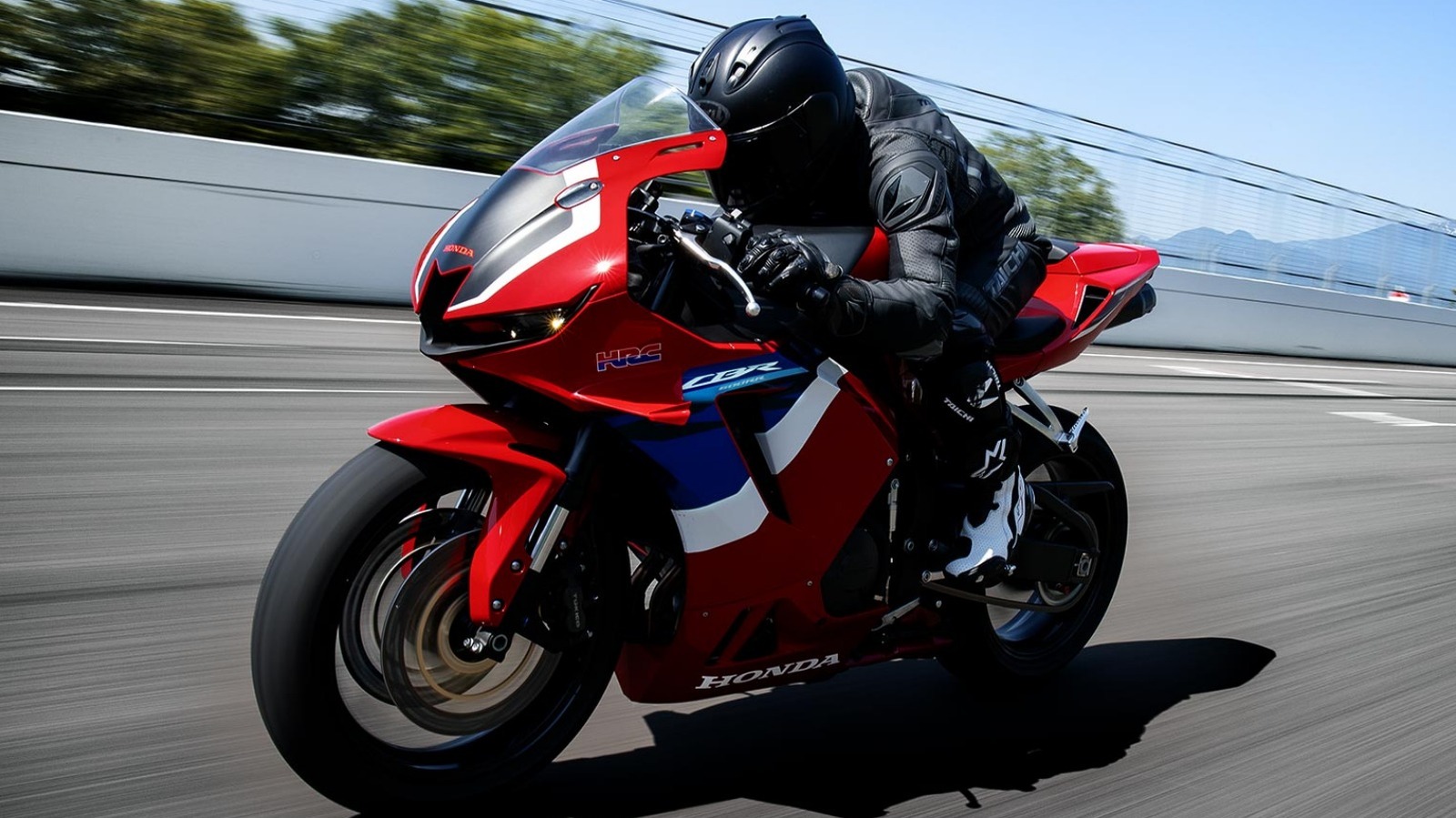
- Cover why inline-four engines can feel light on low-end pull.
- Explain the tradeoff between smooth balance and added size.
- Show how complexity pushes purchase prices higher.
- Dig into the maintenance burden that comes with the design.
- Touch on the fuel-economy downside riders notice in real use.
Inline-four motorcycle engines have a lot going for them, and that is exactly why they still have such a loyal following. They sound wild, spin fast, and can deliver a silky kind of speed that makes a bike feel eager every time the throttle opens. But for all that charm, they come with a few real-world drawbacks that matter a lot once the helmet comes off and the ride becomes everyday life.
One of the biggest knocks against an inline-four is the way it makes power. These engines love to sing at high RPM, but down low they can feel a little shy compared with a twin or another torquey setup. That means stop-and-go traffic, quick launches from a red light, and lazy around-town riding can feel less satisfying than riders expect.
That tradeoff is easy to miss if you only look at peak horsepower numbers. On paper, an inline-four can look like a monster, and on a track that high-rev character can be pure fun. In normal riding, though, a bike that needs more revs to really wake up can feel less flexible, especially if you want punch without constantly downshifting.
Size is another part of the story, and it is not just about weight on a spec sheet. Inline-fours tend to be wider because of how the cylinders are arranged, and that extra width can affect the feel of the whole motorcycle. A broader engine and frame can make a bike seem less nimble at low speeds and a little less friendly to shorter riders who want easy footing at a stop.
The balance these engines are famous for comes from having four cylinders working in harmony, but more cylinders also means more hardware. More parts usually means more bulk, and more bulk usually means a bike that asks a bit more from the rider when maneuvering in tight spots. That can matter a lot in parking lots, city streets, or anywhere the ride is more about control than outright speed.
Then there is the price tag, which can climb quickly once an inline-four shows up in the spec sheet. The engineering needed to make four cylinders run smoothly and cleanly takes more precision, and that complexity tends to show up in the showroom. Riders often end up paying more for an inline-four machine than they would for a comparable bike with fewer cylinders and a simpler layout.
That higher cost is not just a one-time problem at purchase. The same design features that help an inline-four feel refined can also make it more expensive to keep on the road, and that can change the ownership experience pretty fast. For riders shopping with a budget in mind, the gap between a cheaper twin and a pricier four-cylinder model can be hard to ignore.
Maintenance is where the shine can really start to wear off. Four cylinders mean more valves, more plugs, and more components that may need attention over time, and the engine layout often makes access awkward for mechanics. When a routine job requires extra disassembly before the actual work even begins, labor time goes up, and so does the bill.
Valve adjustments are a good example of how this can play out. On many inline-fours, the process is more involved than on simpler engine designs, and that difference can be enough to make routine service sting a little. Riders who enjoy turning their own wrenches may also find that these engines are less forgiving when it comes to home garage maintenance.
Fuel economy is the other big compromise, and it matters more now than it did when these engines were at their peak. Inline-fours are built to chase high-RPM power, not squeeze every last mile out of a gallon, so they usually lose out to smaller twins and singles in real-world efficiency. For commuters or riders who rack up a lot of street miles, that can become a stubbornly expensive habit.
None of this means inline-fours are bad engines. It just means they are built for a very specific kind of fun, and that fun comes with a few bills attached. If you want a bike that feels smooth, fast, and ready to howl near the top of the tach, an inline-four still has a strong case, but it helps to know exactly what you are giving up to get there.
