
“`html
Caitlin Clark has become the center of another noisy sports-media fight, this time over a USA Today column that says her reactions to officiating and her on-court habits can put Black and queer WNBA players at risk. The piece argues that Clark’s complaints, flops, and visible frustration feed a bigger atmosphere of hostility, while critics say that leap goes way too far and ignores the actual physical treatment Clark has taken in the league.
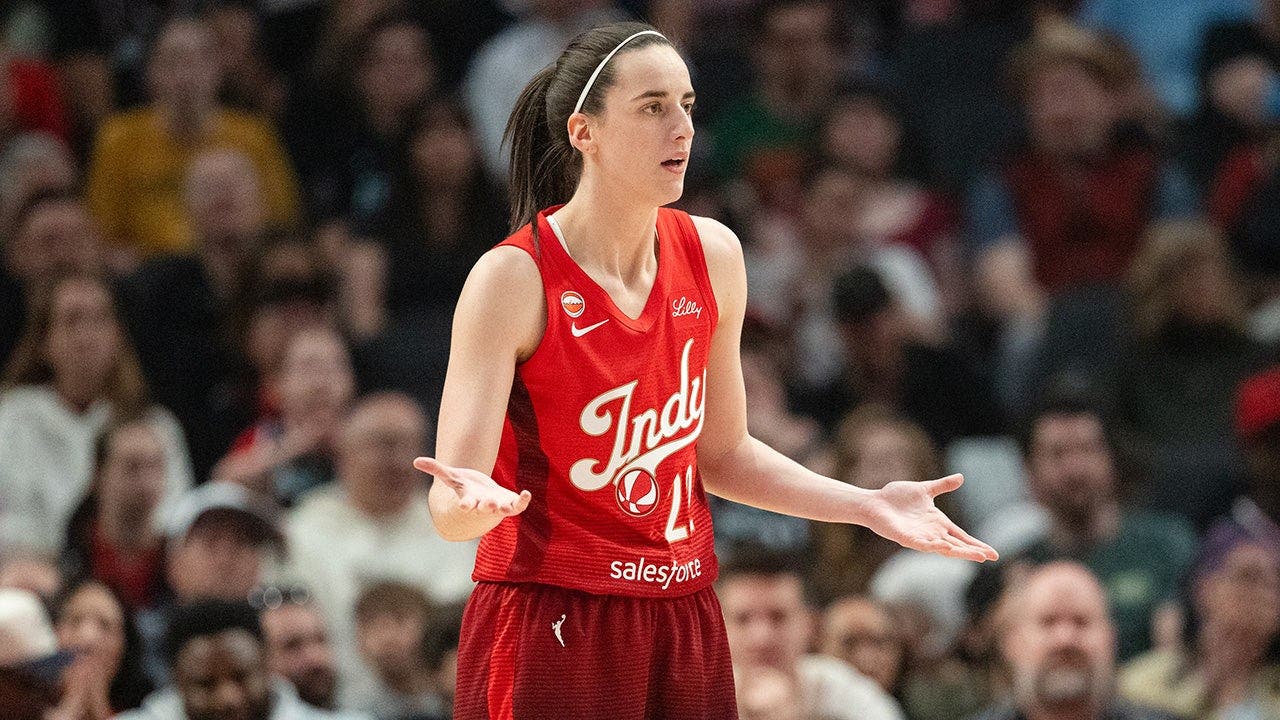
Clark has drawn plenty of attention for how she reacts when contact goes uncalled, and that part of the conversation is fair game. Some fans and analysts think she sells the moment too hard, while others say she is just playing through constant bumps, grabs, and hard fouls that would frustrate anyone. In a league where the whistle can feel inconsistent from one possession to the next, there is always room for debate about what is genuine pain, what is gamesmanship, and what is just emotion boiling over.
The column at the center of the storm, though, does more than criticize Clark’s body language. It tries to connect her complaints to racial harassment aimed at other players, arguing that her behavior helps create a dangerous climate. That is where the whole thing starts to break down, because blaming Clark for anonymous internet abuse is a very different claim from saying she should stop arguing with referees.
One of the plays used to support the criticism involved Chelsea Gray. The argument was that Clark did not drop to the floor until after the whistle, which some readers took as proof she was exaggerating the contact. But that is a shaky conclusion, because players often absorb contact, finish the play, and only then react once the action is dead. That sequence alone does not prove anyone faked an injury.
Another example came from a game against Golden State, when Kiah Stokes collided with Clark as she drove to the basket. Clark finished the layup, went to the floor, and later said Stokes kneed her in the quad and left her with a contusion. The column mocked that explanation, but slow-motion replay showed contact in the exact area Clark described, even if the hit did not appear especially violent or intentional.
That distinction matters. Saying a foul was incidental is one thing, and saying a player lied about being hurt is something else entirely. The column seemed eager to collapse those two ideas into one, as if disagreeing about a whistle somehow proves the injury was invented. That is not analysis, it is speculation dressed up like certainty.
The bigger problem is the leap from basketball plays to social blame. A racist message sent to Chelsea Gray after a game was ugly and unacceptable, but there was no evidence that Clark knew the sender, encouraged him, or had anything to do with his behavior. Yet the column treats that stranger’s message as if Clark’s on-court reactions somehow caused it, which is a stretch that would not hold up in a serious conversation.
Clark has also been hit with plenty of ugly physical moments herself. Alyssa Thomas was suspended after a review found reckless contact to Clark’s throat, and Clark has dealt with eye pokes, hip checks, and other hard plays that have become part of her nightly reality. That does not mean other players deserve abuse, but it does make the claim that Clark is the main source of danger feel upside down.
What makes the argument even harder to defend is that Clark has repeatedly spoken against racism, harassment, and online hate. She has said people should not use her name to push racist or misogynistic agendas, and she has made clear that she does not want her image turned into a political weapon. For a columnist to ignore that and still pin blame on her takes some serious selective vision.
Then came the part that sent plenty of readers over the edge. The column reached for Emmett Till, comparing the wider meaning of Clark’s behavior to one of the most painful chapters in American history. That kind of comparison is not just aggressive, it is reckless, because it drags a basketball dispute into a conversation about racial violence without showing any direct link between Clark and harm done to other players.
Meanwhile, the documented off-court threats in women’s basketball have often targeted Clark and other white players like Paige Bueckers and Sophie Cunningham. Those cases involved stalking, threatening messages, and disturbing behavior that led to arrests and charges, which makes the “Clark is the danger” framing look even stranger. If anything, the real-world record shows that threats around the league are more complicated than a one-way story about one player’s body language.
The whole mess also says a lot about how fast a sports debate can get hijacked. A conversation that should stay focused on officiating, physical play, and player reactions gets pulled into race, identity, and internet outrage almost immediately. Clark remains one of the league’s biggest stars, but every clip, every complaint, and every hard foul now seems ready to become another round of political theater.
“`
