
The Navy is under pressure on two fronts at once: it needs more ships, and it needs better tech to keep pace with a world that is moving fast. That’s why leaders at the Office of Naval Research are pushing a sharper, less cluttered approach, one that cuts down on red tape and puts real science back in the driver’s seat. The new direction is built around a simple idea, too, by focusing on the kinds of problems the private sector usually ignores, the Navy can get more value out of its research budget and move promising tools into service faster.
For years, defense projects have had a habit of getting tangled in layers of approval, policy, and process. ONR leadership now wants to strip that down so research teams spend less time managing paperwork and more time solving hard problems. That shift matters because the Navy’s tech needs are not casual consumer needs, they are specialized, demanding, and often too niche for companies chasing easy profits.
The Office of Naval Research has been around since 1946, and its job has always been to turn scientific ideas into military capability. It works with industry, universities, and government partners to move concepts from the lab into the fleet, but there’s a growing sense that the process needs more urgency. With a budget around $3 billion, the office has the means to aim high, but the message from leadership is clear: spend that money where it can make the biggest military difference, not where the commercial market is already handling things just fine.
One of the best examples is submarine technology. Quiet underwater movement is a huge advantage for a Navy sub, but it has almost no payoff in the civilian world, which makes it exactly the kind of work the private sector is unlikely to prioritize. That is why ONR wants to lean into those long-range efforts, including systems that help submarines stay hidden, survive, and operate with more confidence in contested waters.
This emphasis also lines up with the Navy’s broader fleet problems. The service has struggled to build enough ships at home, and that shortfall has even forced officials to consider foreign shipyards for future vessels. In that bigger picture, faster research is not a luxury, it is part of the answer, because new platforms without new technology still leave the Navy behind where it wants to be.
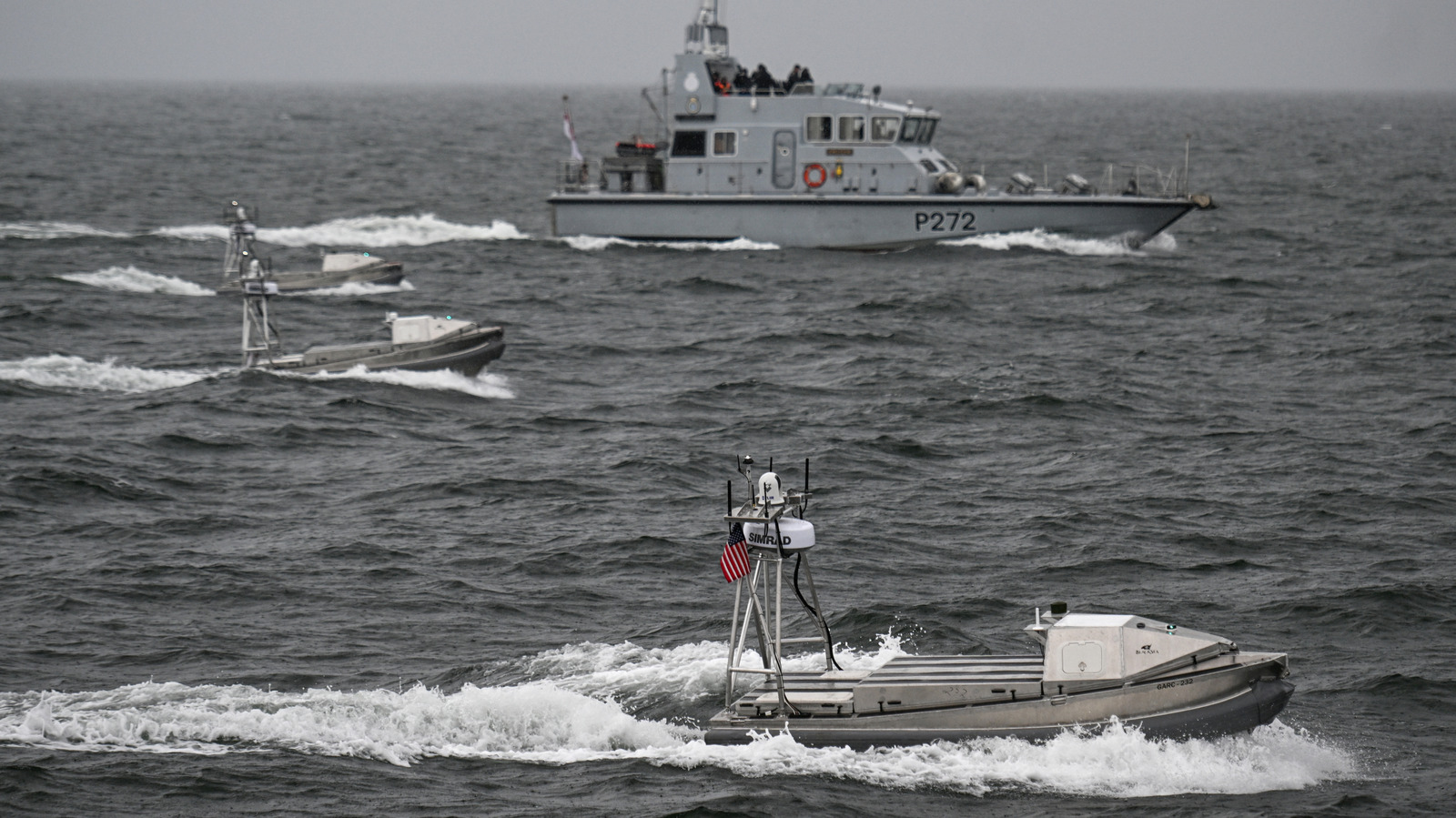
Unmanned systems are another major piece of the plan. Surface drones and underwater drones are getting more attention now, not just as flashy gadgets but as tools that can work in formations, swarms, and other coordinated setups that expand what the fleet can do. The challenge is not only building the vehicles, but making them work together in ways that are reliable, practical, and useful when the pressure is on.
That pressure is exactly what makes the recent drone rescue story stand out. In June 2026, an unmanned Navy boat helped rescue two downed Apache helicopter crew members at sea, pulling off a mission that would have been risky for human sailors. The autonomous vessel involved, the Saronic Corsair, had only entered service months earlier, which gave the episode real weight as a proof point for how quickly these systems can matter when they are fielded with purpose.
ONR and the Defense Innovation Unit are both hoping that kind of speed becomes normal instead of rare. The idea is to shorten the distance between a promising concept and a working tool, especially in areas where time can mean the difference between failure and success. For the Navy, that means staying focused on the kinds of science that do not just sound impressive in a briefing room, but actually change what the fleet can do when the water gets rough.
