
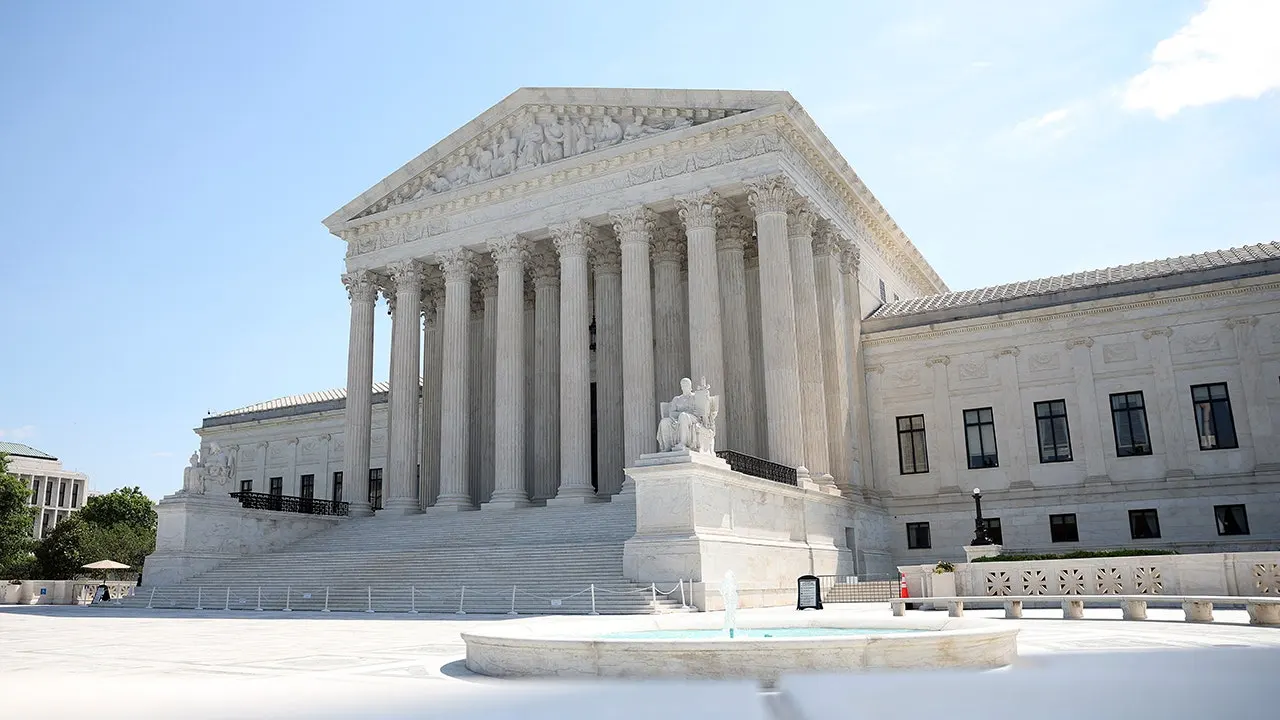
Congress is being handed a clear signal, and it should not waste it. The fight over birthright citizenship is back in the spotlight, and the real question now is whether lawmakers will do their job and put the issue into statute instead of leaving it to drift through court fights and political theater.
The latest Supreme Court posture has opened the door a little wider for Congress to step in, and that matters. When the law is unclear, messy outcomes follow, and immigration policy gets shaped by loopholes, incentives, and rushed assumptions rather than a plain reading of what the country needs.
At the heart of this debate is the 14th Amendment and what it was meant to do. It was written in the shadow of the Civil War to secure full citizenship for formerly enslaved people, not to turn American soil into a magnet for people gaming the system through illegal entry or birth tourism.
That distinction is the whole ball game. A modern immigration system should reward legal pathways, respect the Constitution, and protect the interests of citizens who already live here, work here, and pay the bills that keep the country running.
That is where the proposed Birthright Citizenship Act comes in. The point of the measure is simple: automatic citizenship at birth would apply only when at least one parent is a U.S. citizen or national, a lawful permanent resident living in the country, or a lawful immigrant serving on active duty in the U.S. Armed Forces.
This is not some wild overreach. It is a measured attempt to bring the law back in line with a serious reading of the Constitution and to stop the current setup from acting like a standing invitation to exploit the system.
And yes, the incentives are real. When citizenship is treated like an automatic prize, people notice, and some will try to cash in on it. That is how birth tourism grows, how illegal immigration gets an extra pull, and how the border problem becomes even more attractive to those looking for shortcuts.
Texas has already seen how ugly this can get. Reports of hospitals advertising “Birth Packages in South Texas” and investigations into birth tourism operations show that this is not a theoretical debate for academics and judges, it is happening in the real world and it is happening now.
Those examples matter because they expose the gap between public policy and public trust. Americans can see when a system is being bent, and they can also see when Washington refuses to step in and tighten the rules.
There is also a larger cost here that goes beyond who gets a passport on day one. When illegal immigration is rewarded, it strains schools, hospitals, public services, and law enforcement while sending a bad message that the rules are optional if you are determined enough to ignore them.
That is exactly why Congress cannot keep ducking the issue. If lawmakers believe the current approach is wrong, they should say so openly, debate it honestly, and vote on a fix instead of hiding behind silence while the problem grows louder every year.
The country just marked 250 years of independence, and that is not a small milestone. A nation that has fought this hard to defend liberty should not shrug when its own laws are being stretched into something the public never signed up for.
Birthright citizenship reform has become a test of whether Congress still believes in its own authority. If lawmakers are serious about citizenship, sovereignty, and the rule of law, then the next move is obvious: write the law clearly, defend it openly, and stop pretending the issue will solve itself.

1 Comment
Damn DC Swamp blocks all