
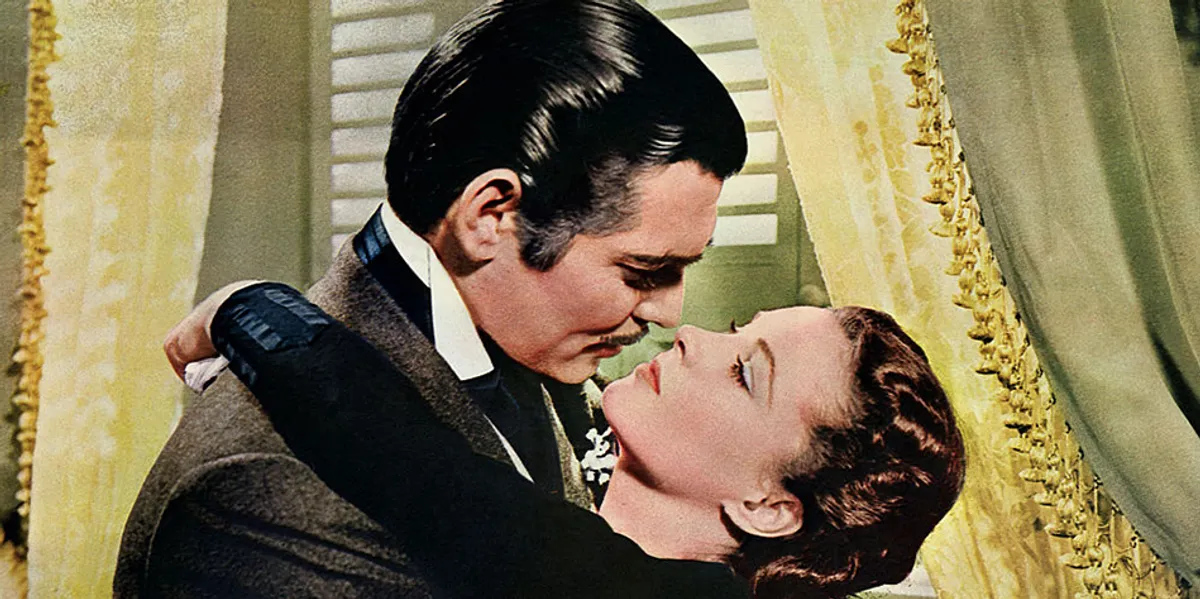
Netflix is catching heat after a blunt synopsis for the classic film Gone with the Wind landed in front of viewers and set off a fresh wave of outrage. The wording hit a nerve because the movie already carries a long, ugly history, and people were quick to point out that a service built on mass appeal should know better than to treat a loaded piece of film history so casually.
The reaction was not about pretending the movie has no place in the conversation. It was about how a platform packages that conversation, especially when the subject is a Hollywood landmark that has been debated for decades. When a description feels careless, it can sound less like context and more like someone trying to skate past the real story.
What happens when a platform mishandles a cultural classic
Why the film’s history still matters
How viewers respond when the language sounds off
Why streaming companies get judged so harshly on this stuff
What this says about the gap between legacy and modern standards
How a simple synopsis can trigger a much bigger fight
That is the core problem here. A title like Gone with the Wind is not just another old movie in the catalog. It is a cultural artifact tied to a period when Hollywood regularly dressed up racist myths in big-budget glamour, and that baggage does not disappear just because the film is old and famous.
For a lot of viewers, the issue is not whether the movie should exist on streaming. It is whether the description treats its place in history honestly. When a synopsis fails that basic test, it makes people wonder if the people writing these blurbs actually understand what they are handling.
That kind of frustration spreads fast because people are already on edge about how major companies frame controversial material. Viewers do not want a lecture, but they also do not want a shrug. They want straightforward language that recognizes the movie’s fame without softening the ugly parts that made it controversial in the first place.
There is also a bigger truth behind the backlash. Streaming platforms have become the gatekeepers for how old films are introduced to new audiences, which means their words matter a lot more than a tiny description should in theory. A sloppy line can color how somebody encounters a film before they have even hit play.
That matters especially with a movie like this, where the cultural conversation is inseparable from the content itself. People are not just remembering a sweeping old epic. They are also remembering the stereotypes, the Lost Cause romanticizing, and the long-running argument about how much reverence a movie with that legacy deserves.
So when Netflix gets blasted, it is not just internet noise. It is a sign that people are tired of corporate language that sounds polished on the surface but flimsy underneath. A few words in a synopsis can expose whether a company is being careful, clueless, or just hoping nobody notices.
And people notice. They notice when a platform presents a controversial classic as if it is harmless nostalgia. They notice when the language feels watered down enough to dodge responsibility. They notice when a company seems more interested in keeping things smooth than in being honest about why the film still sparks arguments.
The whole mess also shows how fast entertainment stories can turn into culture wars. One sentence can be enough to reopen a long-standing debate about race, memory, and the way Hollywood packages the past. That is the reality now, and companies that host these films have to deal with it whether they like it or not.
At the end of the day, the outrage is less about one movie description and more about a basic expectation: if a platform is going to feature a classic with this kind of reputation, it should write like it knows what it is touching. People are fine with difficult conversations. They are not fine with careless framing dressed up as neutrality.
