
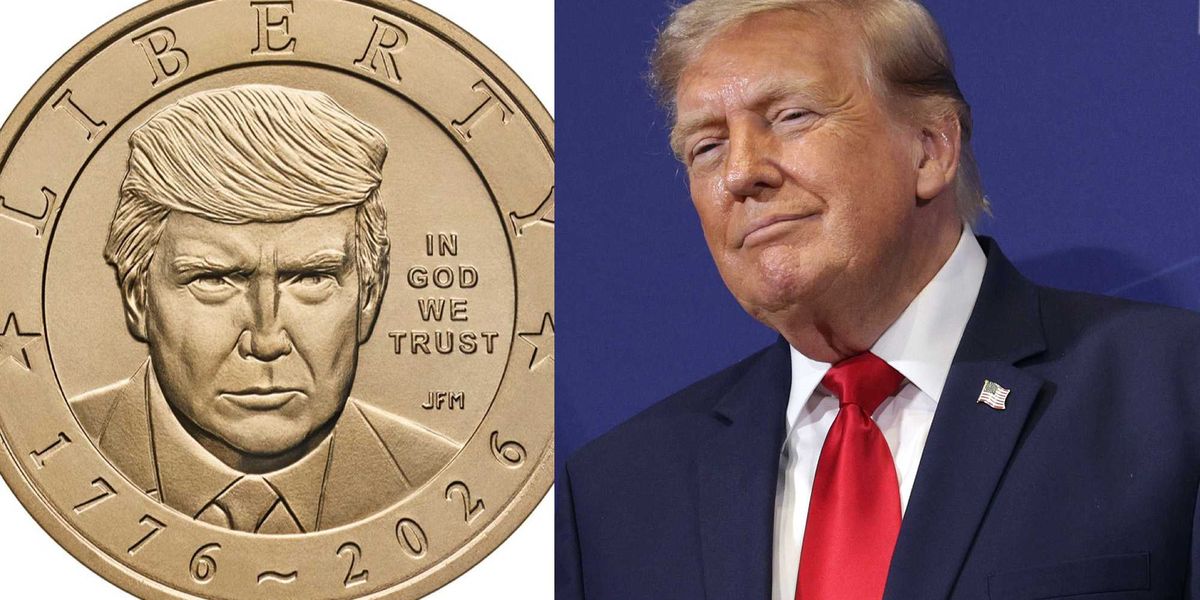
The Treasury has rolled out a bold new $1 gold coin for the nation’s 250th anniversary, and the design has already lit up the political internet. With President Donald Trump’s image on the coin, the release has sparked instant outrage from critics and plenty of cheers from supporters who see it as a fitting tribute to a historic milestone.
The coin is being tied to America’s semiquincentennial, a once-in-a-generation celebration that is meant to honor the country’s founding and long run of independence. Treasury Secretary Scott Bessent has been at the center of the announcement, and the move puts the U.S. Mint squarely in the middle of a cultural fight that is about more than metal and engraving.
For Trump backers, the design lands with a very simple message: the president is part of the country’s modern political story, and the anniversary is a chance to mark that. They argue that major national moments have always been reflected in currency, medals, and official memorabilia, so the backlash says more about the critics than the coin itself.
On the other side, liberal commentators have reacted exactly how you would expect, with complaints about ego, symbolism, and the use of a sitting president’s image on a commemorative piece. That reaction has only added fuel to the story, turning what could have been a routine Treasury announcement into a loud new flashpoint in the broader culture war.
The coin also brings the U.S. Mint back into the spotlight, where design choices are never just design choices. Every detail gets read as a statement, especially when it touches a figure as polarizing as Trump, and this release is no exception. A gold coin is a small object, but in political Washington, small objects can carry a huge amount of meaning.
Supporters are framing the move as patriotic and unapologetic, especially with the 250th anniversary approaching. They see no reason the country should shy away from honoring a president who reshaped the political conversation and still dominates headlines years later.
Critics, meanwhile, are treating the coin as another example of the Trump era refusing to fade into the background. They dislike the symbolism, dislike the timing, and dislike the message it sends about whose face belongs in the national story, but that kind of protest has become familiar territory by now.
What makes the moment pop is that it mixes celebration with controversy in a way only American politics can. A commemorative coin should be a ceremonial thing, something people tuck away as a keepsake, yet this one is already being treated like a talking point, a provocation, and a collectible all at once.
That is part of why the announcement has spread so fast. People are not just reacting to the coin itself, they are reacting to what it represents, from Trump’s continued grip on public attention to the Treasury’s willingness to lean into a design that guarantees a fight.
The 250th anniversary is going to produce plenty of official tributes, but few will grab attention like this one. Whether people love it or hate it, the coin has done exactly what memorable political symbols tend to do: it forced everyone to pick a side and say something loud about it.
