
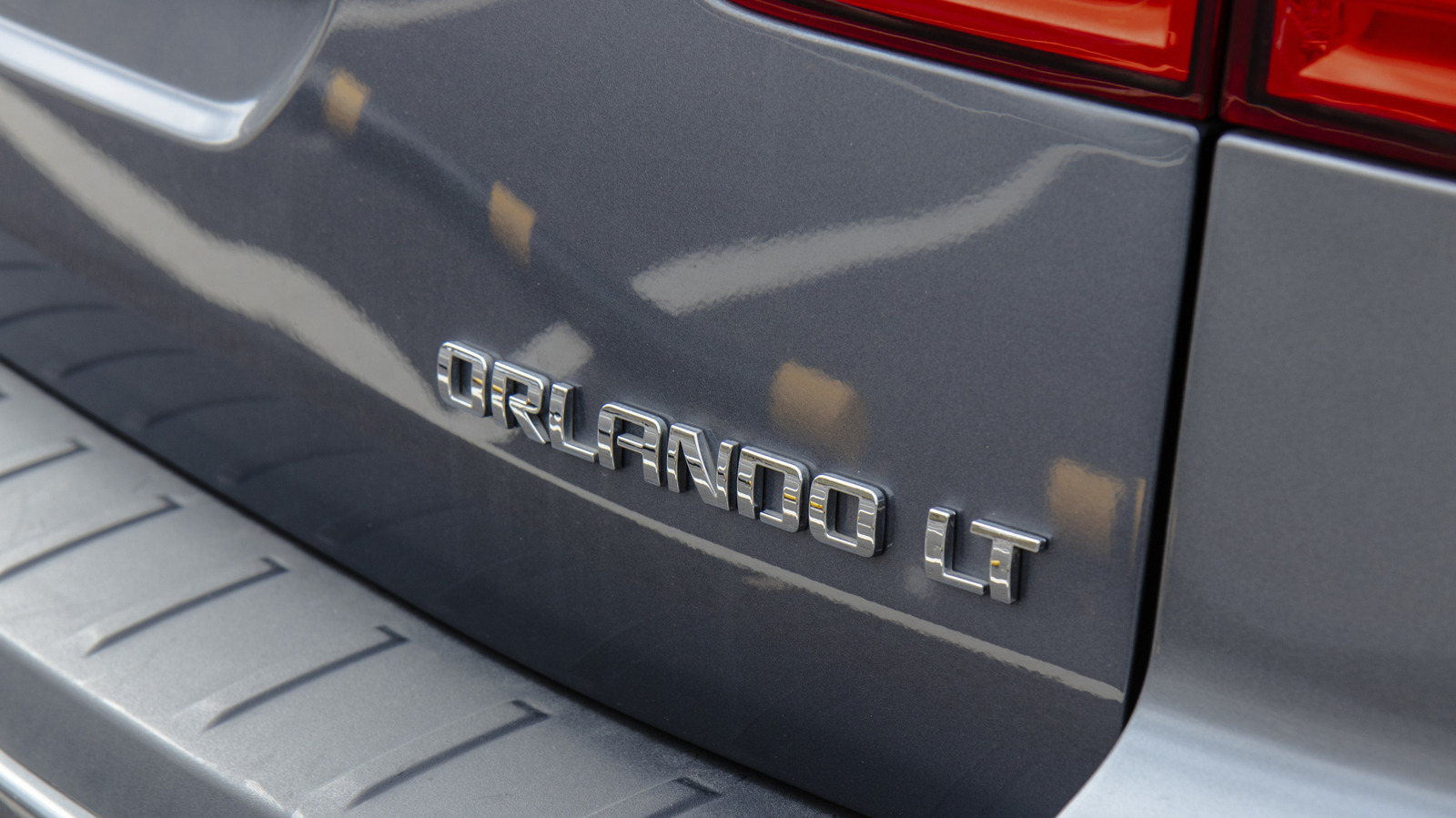
When you start shopping for a car, the options can feel like a maze, but the big split usually comes down to trims and packages. Trims are the main versions of a model, each with its own price and feature set, while packages are add-ons that layer extra equipment onto the trim you already chose. Once you know how those two pieces work, it gets a lot easier to spot where the money is going and what you’re actually getting.
A trim is basically a step on the ladder. The base version sits at the bottom with the simplest setup, then higher trims bring in more comfort, more tech, and nicer materials, often without changing the core vehicle underneath.
That’s why automakers list trims from least expensive to most expensive. The lower end is built to hit a budget, while the upper end is there for buyers who want a more polished feel, sometimes to the point of being considered fully loaded.
Packages work differently because they are grouped bundles of extras. You don’t buy a whole new version of the car, you add a themed set of equipment to the trim you already picked.
Those bundles are usually designed around a purpose. One package might be focused on cold-weather comfort with things like heated mirrors or a heated steering wheel, while another might lean into towing, performance, or appearance upgrades.
The catch is that packages are usually all or nothing. If a bundle includes a sunroof and upgraded audio, you generally cannot cherry-pick one item and leave the rest behind.
That makes trims and packages feel similar at first, but the buying experience is actually pretty different. A trim changes the vehicle’s overall version, while a package is more like stacking a preplanned option set on top of it.
Ford’s F-150 is a good example of how trims spread out. The truck starts with the XL and climbs through STX, XLT, Lariat, Tremor, King Ranch, and Platinum before landing on the Raptor at the top of the pile.
Each step up usually adds more capability or more luxury. By the time you reach the high end, you are often looking at special styling touches, stronger performance gear, or off-road hardware that the base truck simply does not have.
Other automakers follow the same basic idea, even if the names change. Toyota uses labels like LE, then moves up toward Limited or Platinum, while Chevy often starts with LS and works its way into LT and beyond.
Honda does something similar with LX at the entry point, then EX and Touring as the features build up. The names may be different, but the message is the same: higher trim usually means more stuff comes standard.
Packages can get more specific than trims ever do. On the F-150, Ford has offered the Lobo package for the STX, and it brings a street-focused look with gloss black 22-inch wheels and a lowered rear end.
That kind of add-on also changes the price fast. In the case of the Lobo, the package adds thousands on top of the trim itself, which is why buyers need to think carefully before checking every box.
Many packages are built for comfort in a certain climate or for a certain kind of driving. Toyota’s Weather Package for the RAV4 is a good example, with features aimed at making cold mornings a lot less miserable.
If you want just one feature from a higher trim, that is where things get frustrating. Automakers often tie the best equipment to a more expensive version, so getting a heated steering wheel or navigation can mean paying for a whole bundle of extras you never asked for.
That is also where aftermarket shops come into play. They step in with their own upgrade paths, from styling kits to performance packages, giving owners another way to make a vehicle feel more personal.
Some of those upgrades are wild enough to change the whole personality of the car or truck. A tuner can add bodywork, aero parts, or even serious engine work, turning a stock ride into something that feels much more tailored to the driver.
