
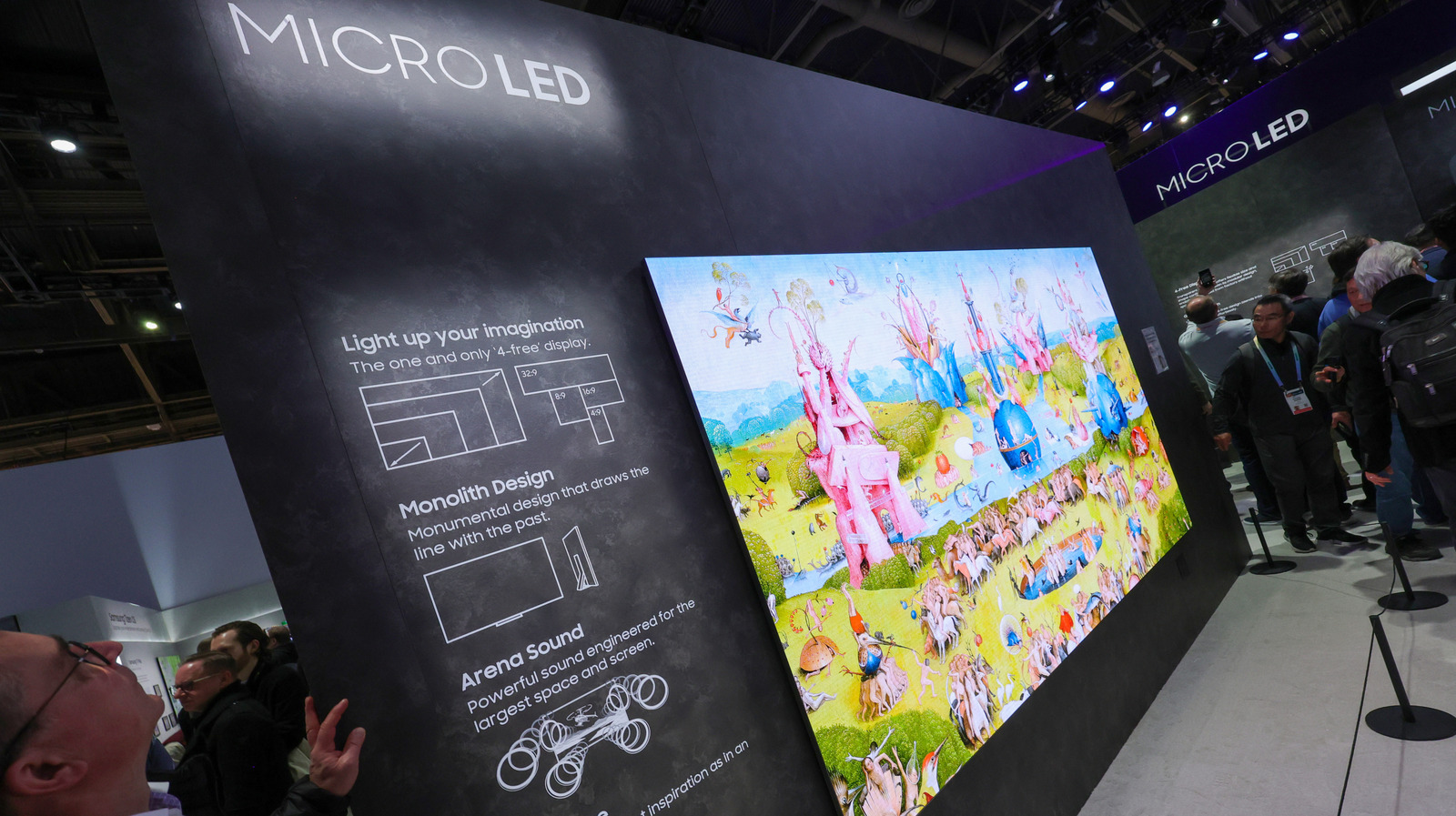
Micro LED TVs promise jaw-dropping brightness, deep blacks, and pixel-level control, but buying one is not a simple “best tech wins” call; cost, production limits, picture setup, and rival displays all shape whether a Micro LED makes sense for you right now. This piece breaks down the trade offs, what to watch for in real-world use, and practical buying points so you can decide without the hype. Expect clear comparisons with OLED and LED-LCD, an honest look at calibration and settings, and realistic expectations about availability and price. Read on for a grounded take on where Micro LED fits in a living room and when it’s worth paying for the premium.
Micro LED starts with a technical flex: tiny self-emissive diodes that deliver massive brightness without the risk of burn-in that plagues some competitors. That brightness translates into standout HDR highlights and excellent daylight viewing, which makes Micro LED especially compelling for bright rooms and high-impact content. But those same tiny LEDs are expensive to manufacture and assemble, which is the big practical barrier for most buyers.
Price is the headline problem. Because Micro LED panels are effectively tiled from many microscopic modules, production yields are lower and factories are still scaling, so the cost per square inch runs high. You can find similarly impressive picture quality in OLED and high-end QLED sets at a fraction of the price today, which means Micro LED is often a choice for early adopters or those building a showcase home theater. For the average buyer, the bang-for-buck math usually points elsewhere unless budget is not a consideration.
Manufacturing limits also constrain screen sizes and availability. The modular approach is excellent for very large screens, but makes smaller, affordable models rare. If you want a typical living room size under 65 inches, options are limited and tend to be priced closer to luxury theater installations than mainstream TVs. That mismatch affects who those TVs are made for and how quickly the market will expand.
Picture settings and calibration matter more than the marketing slides. Out of the box, many Micro LED sets emphasize punchy contrast and oversaturated colors to wow on a showroom floor, so dialing back saturation and tuning gamma can make a big difference. Accurate grayscale, correct color temperature, and controlled local dimming or tone mapping are essential steps to get film content to look natural rather than artificially vivid. Professional calibration helps but adds cost, so consider that when budgeting.
Competing display tech keeps Micro LED honest. OLED still holds the edge for perfect black uniformity and extreme pixel-level contrast, which many viewers find more cinematic for dark-room movie nights. Meanwhile, advanced LED-LCD models with mini-LED backlights deliver high peak brightness and strong contrast at lower prices, challenging Micro LED on value. Each tech has its strengths, so pick based on viewing habits rather than hype alone.
Practical performance traits are a mixed bag. Micro LED avoids burn-in and can sustain exceptional brightness for HDR highlights, yet it may show uniformity quirks or micro-contrast differences depending on how modules are tiled. Upscaling and motion processing are handled by the TV’s processor, so pay attention to the smart platform and image engine as much as the panel tech. If you stream a lot or watch varied sources, those processing capabilities become a big part of the experience.
For gamers, Micro LED offers low latency and high brightness advantages, which help HDR gaming pop and makes visuals clearer in bright rooms. But high refresh rate features and adaptive sync support depend on the model and its HDMI implementation, so check the specs closely. Gamers on a budget will find better immediate value with aggressively priced OLED or QLED gaming-focused models.
Installation and space considerations can complicate a purchase. Very large Micro LED systems may require professional installation, precise room measurements, and special mounts or furniture to handle their size and weight. If you’re renting or have a compact living space, a massive Micro LED is likely impractical. Think about real-world placement before falling for the wow factor in a demo room.
Looking ahead, Micro LED will become more accessible as manufacturing scales and yields improve, but that transition takes time. Early adopters who want the absolute peak of brightness and a large-format centerpiece will find current models compelling, while most buyers should watch the market and consider OLED or premium LED-LCD options for now. Make the choice that matches your room, budget, and viewing priorities rather than chasing the newest label.
